
 AUS
AUS
 NZ
NZ
 UK
UK
 CA
CA
 USA
USA
 IND
IND







Highlights
Energy stocks reflect active participation during midday trading.
Technology sector displays contrasting engagement patterns.
Sector rotation shapes broader market dynamics.
Energy stocks lead midday activity while technology shows contrast, highlighting sector rotation within ASX 200 and ASX 20 indices.
The energy and information technology sectors remain key pillars of the Australian equity landscape, representing companies engaged in resource production and digital innovation. Within this structure, indices such as the ASX 200 and ASX 20 capture leading companies across sectors, reflecting how industry-level movements contribute to broader market activity.
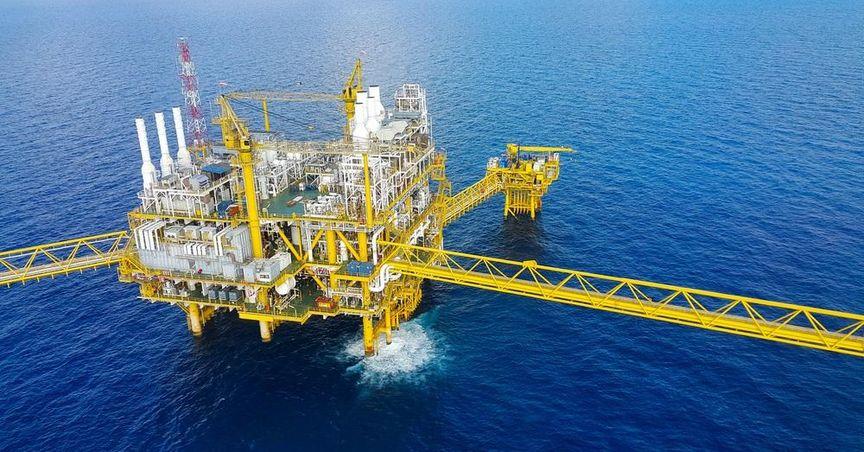
Woodside Energy Group Ltd (ASX:WDS) operates within the energy sector, participating in oil and gas production and development activities. The company is part of a broader group of energy stocks that experienced notable engagement during midday trading. Sector-wide participation reflects how resource-focused companies interact with market dynamics and contribute to index-level movements.
Midday developments across sectors provide a snapshot of how industries respond within a single trading session. Differences in sector activity highlight the diverse composition of the market, where energy and technology companies often move under distinct operational and market influences.
Energy Sector Engagement and Operational Activity
The energy sector encompasses companies involved in the exploration, production, and distribution of oil and gas resources. These operations support domestic and international energy supply, forming a critical part of industrial and infrastructure systems.
During midday trading, energy stocks reflected active engagement, aligning with broader participation across resource-based companies. Activity within this segment is influenced by operational developments, production frameworks, and sector-specific dynamics. Companies maintain structured processes that include extraction, processing, and distribution, ensuring continuity within supply chains.
Woodside Energy Group’s position within this segment highlights its role among established producers operating across multiple projects. Its operations contribute to the structure of the energy market, where large-scale resource management and project execution remain central to sector activity.
Energy companies are also represented across broader benchmarks such as the asx all ords, reinforcing their integration into the wider equity landscape. This inclusion highlights the importance of energy resources in supporting economic and industrial systems.
Information Technology Sector and Market Contrast
The information technology sector represents companies focused on software, digital platforms, and technological infrastructure. This segment plays a significant role in supporting digital ecosystems and enabling technological advancement across industries.
During the same midday session, the technology sector reflected a contrasting pattern compared to energy stocks. Differences in activity highlight the unique nature of technology-driven companies, where engagement is often influenced by innovation cycles, service delivery models, and global digital trends.
Technology companies operate across areas such as cloud computing, cybersecurity, and data solutions. These activities support a wide range of industries, contributing to operational efficiency and digital connectivity. The sector continues to evolve as companies develop new solutions and expand their technological capabilities.
The contrast between energy and technology sectors illustrates the dynamic nature of the market, where industries respond differently to various factors. This diversity contributes to the broader structure of the equity landscape, reflecting multiple layers of economic activity.
Sector Rotation and Market Participation
Sector rotation represents the shifting of activity between industries within the equity market. This process reflects how different sectors attract attention during various phases of trading, contributing to overall market balance.
The midday session demonstrated rotation between energy and technology segments, where energy stocks reflected engagement while technology stocks displayed a different trajectory. This interaction highlights how sector-level dynamics influence the composition of market activity within indices.
Market participation involves a wide range of stakeholders, including institutional entities and industry participants who monitor developments across sectors. Updates related to sector activity contribute to this engagement, providing visibility into how industries perform within trading sessions.
Access to different sectors is facilitated through various market segments, including categories such as ASX dividend stocks. This accessibility supports participation across industries, enabling engagement with multiple areas of the equity market.
The movement between sectors reflects the evolving nature of the market, where different industries contribute to overall activity at different times. This process forms a key aspect of how indices maintain a balanced representation of sectors.
Broader Market Structure and Index Representation
The Australian equity market consists of a diverse range of sectors, including energy, technology, materials, and financial services. Each sector contributes to the overall composition of indices, reflecting the varied nature of economic activity.
Energy companies play a significant role in supporting resource supply and infrastructure systems, while technology companies contribute to digital transformation and service delivery. The interaction between these sectors highlights the complexity of the market, where multiple industries operate simultaneously within the same framework.
Woodside Energy Group’s participation within the energy sector reflects the broader contribution of resource companies to market activity. These entities support supply chains and industrial operations, reinforcing the importance of the energy segment within indices.
The inclusion of companies across indices such as the ASX 200 and ASX 20 ensures representation of leading entities across sectors. This structure highlights the role of major companies in shaping market dynamics and contributing to index composition.
Midday sector movements provide insight into how industries interact within the market, reflecting the ongoing evolution of sector participation and engagement. The relationship between energy and technology sectors continues to shape the broader equity landscape.
