
 AUS
AUS
 NZ
NZ
 UK
UK
 CA
CA
 USA
USA
 IND
IND






Highlights
Retail sector activity focused on automotive aftermarket distribution.
Supply Network operating model positioned across major ASX indices.
ASX 100, ASX 200, ASX 300, and All Ordinaries inclusion provides market context.
Retail sector content covering Supply Network automotive distribution operations, operating environment, governance structure, and participation within ASX 100, ASX 200, ASX 300, and All Ordinaries indices.
The retail sector in Australia includes companies engaged in specialised distribution, wholesale supply, and customer-focused merchandising across physical and digital channels. Within this sector, automotive aftermarket retail represents a distinct segment that supports vehicle servicing, maintenance, and repair activity across commercial and trade-focused markets. Businesses operating in this space prioritise logistics efficiency, inventory depth, and supplier reliability rather than discretionary fashion or seasonal consumer trends.
Retail companies participate in the Australian listed environment through the ASX stock market, where disclosure standards, governance obligations, and regulatory oversight apply consistently. Market classification enables structured observation of sector participation through benchmarks such as the ASX 100, the ASX 200, the ASX 300, and the All Ordinaries. These indices group companies based on market structure rather than operational direction.
Supply Network Limited (ASX:SNL) operates within this automotive-focused retail distribution framework and is included across these indices, positioning the company among established Australian consumer and industrial service listings.
Automotive aftermarket distribution model
Automotive aftermarket retailers operate within supply chains designed to support professional workshops, fleet operators, and service centres. This segment differs from discretionary retail through its emphasis on essential replacement components, consumables, and workshop equipment required for ongoing vehicle operation.
Supply Network maintains a trade-oriented distribution model structured around branch networks and distribution centres that prioritise rapid fulfilment and consistent product availability. This approach supports time-sensitive workshop requirements and repeat ordering behaviour.
Product ranges typically span mechanical components, service consumables, tools, and equipment sourced from a mix of domestic and international suppliers. Supplier relationships, procurement discipline, and inventory planning form the foundation of operational execution.
Operational effectiveness within automotive aftermarket retail relies on logistics coordination, stock management systems, and service reliability rather than promotional retail activity or consumer foot traffic.
Operating environment and sector dynamics
Automotive aftermarket retail operates within an environment shaped by vehicle fleet composition, servicing frequency, and regulatory standards governing vehicle maintenance. Demand within this segment is influenced by vehicle age profiles, usage intensity, and workshop throughput rather than discretionary lifestyle spending.
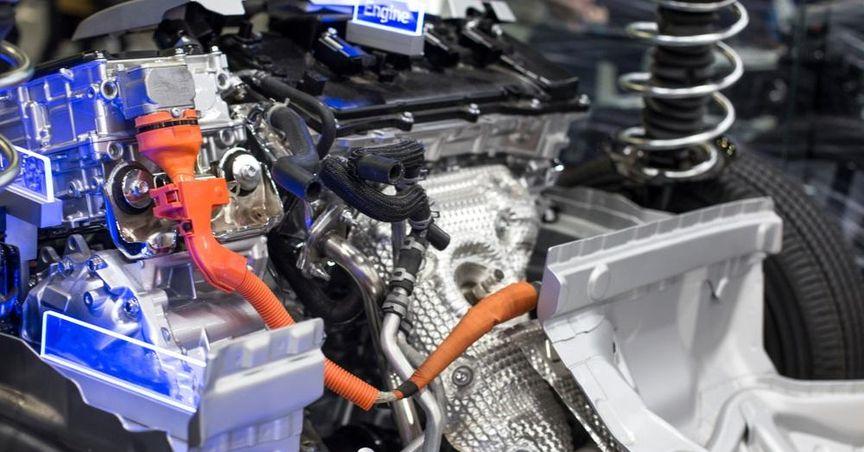
Retail distributors adapt operations to support changes in vehicle technology, including increased electronic systems and evolving mechanical complexity. Product sourcing, technical knowledge, and staff capability evolve alongside these shifts.
Public listing supports transparency and governance oversight, enabling companies to manage operational scale, logistics infrastructure, and supplier diversification. Equity market participation reflects corporate structure rather than daily workshop activity.
Within Australian equities, automotive retail distributors operate alongside unrelated sectors such as resources, represented by classifications like ASX mining stocks. This coexistence highlights the breadth of the Australian exchange.
Corporate structure and governance framework
Retail distribution companies operate within governance frameworks designed to support operational continuity, regulatory compliance, and stakeholder engagement. Listed entities are required to maintain disclosure standards, board oversight, and internal control systems aligned with exchange requirements.
Corporate activity within the automotive retail sector may include logistics investment, network optimisation, and supplier portfolio management. These initiatives support service coverage and operational resilience rather than consumer brand positioning.
Trading halts and market announcements form part of standard exchange processes when material corporate information is prepared for release. These mechanisms support orderly market operation and equal access to information.
Operational governance extends beyond financial reporting to include workplace safety, environmental management within logistics facilities, and ethical supplier practices.
Index participation and Australian market structure
Index inclusion provides a structural lens for observing how retail distribution companies fit within the broader Australian equity market. The ASX 100 and ASX 200 capture established companies across consumer, industrial, financial, and resource sectors, while the ASX 300 and the All Ordinaries provide broader market coverage.
Retail distributors included in these indices contribute to market diversity by representing service-based business models alongside capital-intensive industries. Index classification does not imply operational direction or forward outcomes.
Other thematic groupings such as ASX dividend stocks operate alongside sector-based indices, focusing on characteristics unrelated to distribution operations. Index frameworks support objective observation of market composition and sector representation across Australian equities.
