
 AUS
AUS
 NZ
NZ
 UK
UK
 CA
CA
 USA
USA
 IND
IND







Highlights
AI infrastructure themes are increasingly linked to software automation, recurring revenue models and operational execution.
Goodman Group (ASX:GMG), WiseTech Global (ASX:WTC), Xero (ASX:XRO), DroneShield (ASX:DRO) and BrainChip Holdings (ASX:BRN) remain widely discussed across the category.
Data-centre demand, cybersecurity activity and enterprise software adoption continue to shape attention around ASX AI stocks.
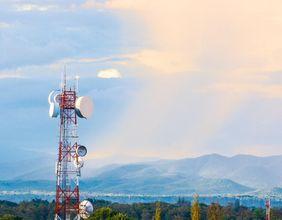
A detailed look at ASX AI stocks, highlighting automation trends, recurring revenue models, software innovation, cybersecurity activity, and data-centre demand shaping Australian technology discussions.
The Australian technology sector continues to attract attention as artificial intelligence becomes increasingly connected to business productivity, enterprise software and digital infrastructure. Across the Australian market, technology-related companies are being discussed alongside broader themes such as automation, operational efficiency and recurring revenue. Many of the companies associated with this theme are constituents of ASX 200, and ASX 300, placing them within conversations about market leadership, technology adoption and changing business priorities.
The discussion around ASX AI stocks extends well beyond software development alone. Companies such as Goodman Group (ASX:GMG), WiseTech Global (ASX:WTC), Xero (ASX:XRO), DroneShield (ASX:DRO) and BrainChip Holdings (ASX:BRN) are often referenced because they operate in different segments connected to digital infrastructure, enterprise technology, logistics software, cybersecurity applications and specialised computing technologies. Together, these businesses illustrate how the artificial intelligence conversation spans multiple areas of the Australian market rather than a single industry category.
Artificial intelligence has become part of a wider business transformation trend. Organisations across many sectors are incorporating automation into workflows, customer engagement, logistics management, cybersecurity monitoring and data processing. As a result, market attention increasingly focuses on how technology platforms integrate with existing operations and support productivity improvements.
This evolving environment has also broadened the range of companies associated with the AI theme. Infrastructure operators, software developers, cybersecurity providers and specialised technology firms each contribute to different parts of the ecosystem. Rather than viewing the category as a single investment narrative, readers increasingly assess how various business models participate in the adoption of digital technologies.
The shift toward automation is occurring alongside ongoing discussions about operational efficiency. Businesses continue to evaluate processes that can be streamlined through software-driven systems. These developments have contributed to a greater focus on recurring revenue structures, customer retention and enterprise software adoption across technology-related companies.
Market participants are also paying closer attention to practical implementation rather than broad technology descriptions. Discussions increasingly revolve around customer adoption, software utilisation, infrastructure requirements and commercial execution. This approach places greater emphasis on observable business developments rather than general technology enthusiasm.
Why AI Infrastructure Remains Central To The Sector Conversation
Artificial intelligence relies on significant infrastructure support. Data storage, computing capacity, connectivity and digital networks all form essential components of the ecosystem. As AI applications become more widely deployed, infrastructure-related businesses continue to attract attention due to their role in supporting technological operations.
Goodman Group (ASX:GMG) frequently appears in discussions related to digital infrastructure because of ongoing interest in logistics facilities and data-centre-related developments. The broader expansion of cloud computing, enterprise software and digital services has reinforced the importance of infrastructure that supports large-scale data processing environments.
The conversation surrounding infrastructure is closely connected to business digitisation. Organisations continue to generate larger volumes of operational information, customer data and software-driven workflows. These developments contribute to ongoing demand for facilities and systems capable of supporting expanding digital requirements.
Data-centre activity remains an important component of the broader technology landscape. Artificial intelligence applications often require substantial computing resources, creating connections between software innovation and physical infrastructure. This relationship highlights how multiple industries contribute to the AI ecosystem.
Infrastructure discussions are also linked to operational resilience. Businesses increasingly evaluate reliability, scalability and system availability when adopting new technologies. These factors contribute to ongoing attention toward companies operating within digital infrastructure-related segments.
Another important aspect involves enterprise digital transformation. As organisations modernise internal systems, infrastructure requirements continue to evolve. Technology platforms, cloud environments and automated workflows all depend upon reliable operational foundations.
Readers examining the sector frequently focus on how infrastructure developments interact with software adoption. The combination of physical assets and digital platforms creates a more comprehensive understanding of the technology ecosystem. This broader perspective allows the category to be viewed through operational requirements rather than technology labels alone.
Interest in technology infrastructure also intersects with discussions involving asx all ords, where broader market participation often highlights the importance of digital transformation across multiple industries. Infrastructure-related businesses therefore remain connected to wider conversations surrounding technology adoption and operational modernisation.
Automation And Recurring Revenue Gain Greater Attention
Automation continues to emerge as one of the most discussed themes within the technology sector. Organisations across industries are evaluating ways to streamline administrative functions, improve operational efficiency and support decision-making processes through software-based tools.
WiseTech Global (ASX:WTC) is frequently referenced in discussions surrounding logistics technology and software-enabled operations. Enterprise platforms that support supply chain management and workflow efficiency illustrate how automation can become integrated into everyday business activities.
Recurring revenue structures have also become a central point of attention within technology discussions. Subscription-based software models often provide visibility into customer engagement and platform utilisation. This has increased interest in companies operating software-as-a-service business models across the Australian market.
Xero (ASX:XRO) is commonly associated with recurring revenue conversations because of its cloud-based software operations. The broader software sector continues to demonstrate how digital platforms can establish ongoing customer relationships through service-based delivery models.
Automation themes extend beyond software subscriptions. Businesses increasingly explore digital tools that assist with reporting, workflow management, customer communication and operational oversight. These developments contribute to ongoing discussions regarding enterprise technology adoption.
Artificial intelligence capabilities are becoming integrated into many existing software environments. Rather than existing as standalone applications, AI-driven features are increasingly embedded within broader business platforms. This integration reinforces the connection between automation and operational productivity.
The discussion also reflects changing expectations around software functionality. Organisations increasingly seek platforms capable of supporting multiple processes through unified environments. This trend contributes to greater attention toward companies providing scalable technology solutions.
Many readers evaluating technology themes also follow developments involving ASX dividend stocks as part of broader market discussions. While technology and income-focused sectors often operate under different business models, both areas illustrate how companies adapt to changing economic and operational environments.
The continuing emphasis on recurring revenue highlights the importance of customer retention, software adoption and service delivery. These factors increasingly shape discussions surrounding enterprise technology businesses and their position within broader market conversations.
Cybersecurity, Specialised Technologies And Emerging Applications
Artificial intelligence discussions increasingly intersect with cybersecurity and specialised technology applications. As digital systems become more integrated into business operations, organisations continue to focus on protecting networks, data and operational environments.
DroneShield (ASX:DRO) is frequently associated with technology discussions involving security-related applications. The broader cybersecurity landscape continues to evolve as businesses, institutions and government agencies assess digital protection requirements across increasingly connected environments.
Cybersecurity remains closely linked to technological advancement. New software capabilities often create opportunities for improved efficiency while simultaneously increasing the importance of system security. As a result, cybersecurity considerations remain integrated into many discussions surrounding digital transformation.
The adoption of artificial intelligence tools has also expanded conversations around monitoring, detection and operational awareness. Advanced software systems can assist with processing large volumes of information and identifying operational anomalies across complex environments.
BrainChip Holdings (ASX:BRN) is often referenced in discussions involving specialised computing technologies and edge-based processing concepts. The broader conversation surrounding advanced computing continues to explore how emerging technologies can operate across diverse environments and applications.
Specialised technology companies frequently contribute unique perspectives to the sector narrative. Rather than focusing solely on mainstream software platforms, these businesses highlight the range of technological approaches being explored across the industry.
The expanding use of connected devices, digital platforms and intelligent systems continues to generate interest in emerging technology applications. Discussions increasingly examine how these developments integrate with existing business processes and operational requirements.
Technology adoption across industries also contributes to ongoing dialogue regarding innovation ecosystems. Collaboration between software developers, infrastructure providers and specialised technology firms often demonstrates the interconnected nature of the sector.
Readers following artificial intelligence themes frequently monitor developments across cybersecurity, software platforms and specialised computing environments simultaneously. This broader perspective reflects the increasingly integrated nature of modern technology ecosystems.
Company-Specific Developments Within The Broader Theme
One of the defining characteristics of the AI-related category is the diversity of business models represented within it. While companies may be grouped under a common technology theme, their operations, customer bases and commercial priorities often differ significantly.
Goodman Group (ASX:GMG) participates in discussions through infrastructure-related connections, while WiseTech Global (ASX:WTC) is commonly associated with enterprise software and logistics technology. Xero (ASX:XRO) contributes another perspective through cloud-based software services.
DroneShield (ASX:DRO) adds a security-focused dimension to the discussion, while BrainChip Holdings (ASX:BRN) represents specialised technology development. Together, these companies illustrate the broad range of activities encompassed within the AI conversation.
The diversity of business models highlights the importance of company-specific developments. Operational updates, customer activity, product enhancements and technology adoption initiatives often shape discussions surrounding individual businesses.
Artificial intelligence themes increasingly intersect with broader economic factors. Business expenditure on technology, digital transformation initiatives and operational efficiency programs all contribute to sector-wide attention.
Market observers often focus on how companies integrate technological capabilities into commercial operations. Practical implementation frequently attracts greater attention than conceptual technology discussions because it provides clearer visibility into business activities.
Enterprise adoption remains an important component of the narrative. Organisations continue to evaluate software platforms and digital solutions that support operational objectives across multiple industries. This ongoing adoption contributes to broader discussions surrounding technology utilisation.
Attention also extends to customer engagement, platform functionality and service delivery. These elements often influence how technology companies are perceived within wider sector conversations.
As the technology landscape evolves, individual companies continue to demonstrate different approaches to participation within the AI ecosystem. These distinctions reinforce the importance of examining business-specific developments rather than relying solely on sector classifications.
The Expanding Role Of AI Themes Across Australian Markets
Artificial intelligence is increasingly becoming part of wider discussions across Australian financial markets. The theme now intersects with software services, infrastructure development, cybersecurity operations, logistics technology and specialised computing applications.
The growing integration of AI capabilities into commercial environments reflects broader shifts in business operations. Organisations continue to explore technologies that support efficiency, automation and information management across diverse industries.
Enterprise software remains a central component of these developments. Digital platforms increasingly function as operational hubs that support communication, workflow management and customer engagement. This contributes to continued attention toward software-focused businesses operating within Australian markets.
Infrastructure requirements also remain significant. As digital activity expands, supporting facilities and operational systems continue to play an important role within the broader technology ecosystem. This relationship reinforces the interconnected nature of infrastructure and software adoption.
Cybersecurity considerations remain prominent as businesses navigate increasingly digital operating environments. The protection of systems, information and operational processes continues to form part of the wider technology discussion.
Specialised technology applications add further complexity to the landscape. Advanced computing approaches, intelligent systems and emerging digital capabilities contribute to ongoing exploration of new operational possibilities.
The technology sector continues to evolve through a combination of software innovation, infrastructure development and enterprise adoption. These elements collectively shape discussions surrounding artificial intelligence and related themes across Australian markets.
As businesses continue incorporating digital tools into everyday operations, the conversation surrounding AI-related companies remains closely connected to practical implementation, operational efficiency and technology utilisation. The resulting landscape reflects a broad ecosystem where software platforms, infrastructure assets, cybersecurity capabilities and specialised technologies each contribute to ongoing sector discussions.
