
 AUS
AUS
 NZ
NZ
 UK
UK
 CA
CA
 USA
USA
 IND
IND



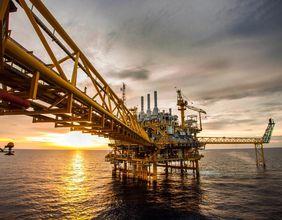




Oil prices surged as Hurricane Francine swept through the oil-producing regions of the US Gulf of Mexico, prompting oil companies to shut down production and traders to cover short positions. The hurricane, which is causing widespread disruptions, has led to significant concerns about supply shortages, pushing prices higher after weeks of declines.
West Texas Intermediate (WTI) crude rose by more than 2%, closing above $67 per barrel, while Brent crude, the global benchmark, surpassed $70 per barrel. These gains come after a period of bearish trading that saw oil prices sink amid concerns about slowing global demand and rising inventories.
Hurricane-Driven Supply Disruptions
The primary driver of the recent oil price spike is the potential for significant supply disruptions caused by Hurricane Francine, which has been lashing the US Gulf Coast with heavy winds and waves. The storm has forced major oil producers, including ExxonMobil (NYSE:XOM) and Shell (LON:SHEL), to evacuate crews and suspend operations on offshore drilling platforms.
According to Dennis Kissler, senior vice president of trading at BOK Financial Securities, the shutdown of roughly 25% of Gulf of Mexico crude output has created a rush among traders to cover bearish bets, fueling the rally. Kissler noted that while global demand has softened, the immediate risk of supply shortages in the US has sparked concerns that could drive prices even higher if the storm continues to disrupt production.
In addition to the shutdowns offshore, eight onshore refineries located along the Louisiana coast are in the potential path of the hurricane, which could exacerbate supply issues if they are forced to halt operations.
Unexpected Increase in US Crude Inventories
Despite the hurricane-related supply risks, the oil market received bearish news from the US government, which reported an unexpected increase in domestic crude stockpiles. According to data from the Energy Information Administration (EIA), US crude inventories grew by 833,000 barrels, surprising market participants who had expected a decline. An industry group had projected a 2.79-million-barrel reduction, while a survey of Bloomberg users anticipated a 700,000-barrel drop.
This increase in stockpiles would typically weigh on prices, as it suggests that supply is outpacing demand. However, the market reaction was overshadowed by concerns about the hurricane’s impact on future production. Traders quickly moved to cover their short positions, leading to the price rebound.
Speculators and Short-Covering
The recent oil price gains can also be attributed to a shift in speculative trading activity. Speculators, particularly commodity trading advisors (CTAs), had been heavily betting against oil prices, with many taking the least bullish stance on record. As Hurricane Francine’s threat to supply became more evident, traders were forced to unwind their bearish bets, triggering a price spike.
Market analysts have warned that these speculative positions could lead to further volatility in the oil market, especially if the storm’s impact on production is prolonged. Kissler noted that while long-term demand trends remain a concern, the immediate risk of supply disruptions in the US could create short-term price spikes.
Global Oil Market Context
The recent hurricane-driven rally in oil prices comes against a backdrop of broader concerns about weakening demand in key markets like the US and China. Both countries, the world’s largest consumers of oil, have shown signs of slowing economic growth, which has weighed on energy demand.
In the US, fears of an economic slowdown have been compounded by rising interest rates, which are dampening consumption. Meanwhile, China’s ongoing economic challenges, including a sluggish recovery from COVID-19 and struggles in its property sector, have led to reduced energy demand. These factors have contributed to the nearly 20% decline in oil prices this quarter.
The supply side of the equation has also added to the bearish sentiment in recent weeks. Market metrics, such as the futures curve, have indicated that conditions are loosening, with the oil market moving from a state of tight supply to one of relative surplus. At one point, parts of the futures curve dipped into contango—a structure where near-term prices are lower than those further out, signaling oversupply concerns.
However, Hurricane Francine has disrupted this narrative, at least in the short term, as traders focus on the potential for near-term supply constraints rather than the broader demand outlook.
Outlook and Potential Risks
As Hurricane Francine continues to make its way toward the Louisiana coast, the oil market remains on edge. The storm’s potential to cause further supply disruptions, particularly if onshore refineries are forced to shut down, could drive additional price increases in the coming days.
While the long-term outlook for oil prices is still influenced by concerns about demand in the US and China, the short-term risks posed by the hurricane are dominating market sentiment. Traders are closely watching the progress of the storm and the extent of the production shutdowns, as any prolonged disruption could tighten supplies and push prices even higher.
The oil market also faces uncertainty from broader geopolitical factors, including ongoing tensions in the Middle East, which could impact global supply dynamics. Additionally, the impact of US government policies, including potential changes to oil reserves management and energy infrastructure, could play a role in shaping the market's future direction.
In the coming weeks, as the hurricane’s effects become clearer and the global economy navigates its current challenges, oil prices are likely to remain volatile. For now, however, the focus remains squarely on Hurricane Francine and its potential to disrupt one of the world’s most important oil-producing regions.
Bottomline
Oil prices have rebounded sharply in response to Hurricane Francine’s impact on production in the US Gulf of Mexico, with WTI and Brent crude rising by more than 2%. The storm has forced major oil companies to shut down operations, prompting traders to cover short positions and pushing prices higher despite bearish inventory data from the US government.
As the storm continues to affect the region, traders will be closely watching for any further supply disruptions, particularly if onshore refineries are forced to shut down. While the broader outlook for oil remains clouded by concerns over slowing demand in the US and China, the immediate risk of supply shortages has become the dominant driver of market sentiment.
With the potential for further price volatility as speculative traders adjust their positions, the oil market is likely to remain dynamic in the coming days, as the effects of Hurricane Francine continue to unfold.
