
 AUS
AUS
 NZ
NZ
 UK
UK
 CA
CA
 USA
USA
 IND
IND







Highlights
- Broad market sentiment shifts as geopolitical concerns intensify across global markets
- Energy sector gains contrast with declines among major mining and industrial stocks
- Volatility increases ahead of holiday period with shifting commodity dynamics
ASX 20 trends shift as global tensions rise, impacting mining stocks while energy gains provide limited support within Australia’s broader equity market environment.
The Australian equity market, closely linked with global developments, has shown notable intraday movement within the ASX 20 benchmark environment. The broader market, represented by S&P/ASX 200 Index, experienced a reversal after opening on a stronger footing, reflecting a rapid shift in sentiment tied to geopolitical developments and commodity movements.
Market Reversal and Sentiment Shift
Trading activity during the session initially reflected stability, with upward momentum visible across several sectors. However, sentiment turned sharply as global developments influenced market direction. Renewed concerns linked to geopolitical tensions contributed to a broad-based shift, prompting declines across multiple sectors.
The movement was not isolated to a single segment of the market. Instead, weakness extended across industries, highlighting the interconnected nature of global financial systems. The shift occurred within a short timeframe, indicating a reactive environment influenced by external developments rather than domestic fundamentals alone.
The transition from early gains to later declines illustrates how rapidly sentiment can change when global factors come into focus. Market participants adjusted positions in response to evolving headlines, contributing to increased volatility throughout the session.
Energy Markets and Commodity Influence
A significant driver of the market’s movement has been activity within energy markets. Crude oil values moved higher following renewed concerns about supply disruptions linked to ongoing geopolitical tensions. This shift has had a cascading effect across equity markets, influencing sentiment in sectors sensitive to energy costs.
Higher energy costs have implications for industries reliant on transportation and logistics, including retail, aviation, and manufacturing. Increased fuel and freight expenses can influence operational margins, shaping broader market perceptions. These dynamics have contributed to a more cautious tone across equities.
At the same time, energy-related companies have shown relative resilience compared to other sectors. Rising oil values tend to support companies engaged in energy production, providing a partial offset to broader declines. However, gains within this segment have not been sufficient to counterbalance widespread weakness across the market.
Mining Sector and Industrial Weakness
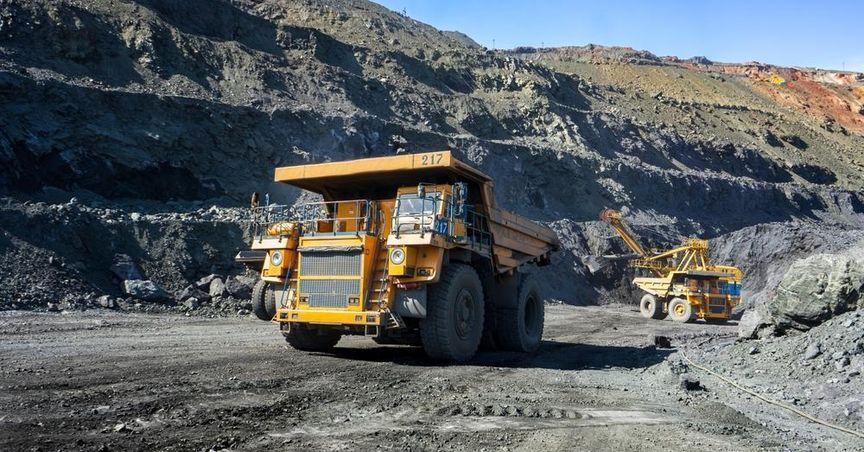
Large mining companies have been among the contributors to downward movement within the index. BHP Group Ltd (ASX:BHP), Rio Tinto Ltd (ASX:RIO), and Fortescue Ltd (ASX:FMG) recorded declines as global growth concerns weighed on sentiment.
The mining sector is closely tied to global demand conditions, particularly from major industrial economies. When uncertainty increases, expectations around commodity demand may shift, influencing market valuations for resource-focused companies. This connection often results in mining stocks reacting quickly to global developments.
Industrial and transport-related companies have also experienced pressure, reflecting concerns around rising operational costs. Increased energy expenses can affect supply chains and logistics, creating challenges across multiple sectors. This interconnected impact reinforces the role of commodities in shaping broader market behaviour.
Broad-Based Selling Activity
The decline in the index has been accompanied by widespread selling across listed companies. A larger portion of stocks moved lower during the session, indicating that the downturn was not limited to a specific sector. This pattern reflects a broad reassessment of market positioning rather than isolated company-specific developments.
The presence of widespread declines often signals heightened sensitivity to external factors. Market participants may adjust exposure across portfolios in response to uncertainty, contributing to simultaneous movement across diverse sectors. Such conditions are commonly observed during periods of heightened global tension.
Gold-related stocks also displayed mixed performance, with earlier gains giving way to declines later in the session. This shift highlights the fluid nature of market sentiment, where traditional defensive assets may not always maintain upward momentum in the face of rapid changes.
Global Context and Market Dynamics
Developments in international markets have played a central role in shaping the session’s direction. Comments linked to geopolitical conflict have influenced expectations regarding the duration and intensity of global tensions. These developments have had a direct impact on commodity markets, particularly energy.
The resulting movement in oil values has fed into broader economic considerations, including inflationary pressures and monetary conditions. These factors collectively influence equity market sentiment, contributing to fluctuations across indices and sectors.
Within this context, the asx top 20 segment reflects the broader dynamics observed across the Australian market. Movements within major indices often mirror global trends, with domestic markets responding to developments in key international regions.
S&P/ASX 200 Index continues to act as a barometer for these shifts, capturing the combined effect of sectoral movements and global influences. The interaction between commodities, geopolitical developments, and market sentiment remains a defining feature of current trading conditions.
