
 AUS
AUS
 NZ
NZ
 UK
UK
 CA
CA
 USA
USA
 IND
IND






Highlights
Australian equities open with positive momentum across multiple sectors.
Global geopolitical developments influence early trading sentiment.
Materials and energy stocks contribute to broader index participation.
Australia’s S&P/ASX 200 index reflects early market momentum driven by sector participation, global developments, and trading activity across materials, energy, and financial sectors.
The Australian equity market operates through a mix of sectors including materials, energy, and financials, each contributing to overall market movement. These sectors support economic activity through resource production, capital flow, and infrastructure development. Their performance is reflected in indices such as the ASX 200 and broader benchmarks like the All Ordinaries, which capture the participation of leading companies across industries.
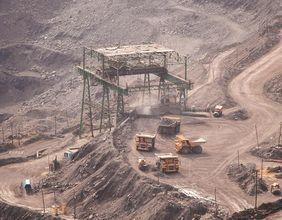
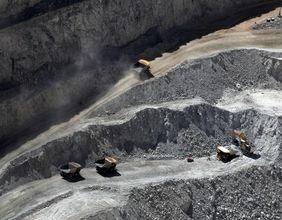
Within this landscape, Pilbara Minerals Limited (ASX:PLS) operates in the materials sector, contributing to lithium production and resource supply chains. Its activities highlight the role of mining companies in supporting industrial demand and global energy transitions.
The materials sector includes companies involved in metals and mineral extraction, forming a critical component of Australia’s economic structure. These companies contribute to export activity and support global manufacturing and energy systems.
Market participation within this segment reflects the interconnected nature of domestic operations and international demand. The activities of materials companies influence broader market dynamics and contribute to overall equity performance.
Global Developments and Market Sentiment
Global developments play a significant role in shaping early trading conditions across equity markets. Geopolitical discussions and international relations can influence sentiment, contributing to changes in participation across sectors.
Energy markets are particularly sensitive to global developments, as changes in geopolitical conditions can influence supply and demand dynamics. Companies operating within the energy sector respond to these shifts through adjustments in operational focus and market engagement.
The Australian market reflects these global influences through sector-wide participation, where movements in international markets are mirrored in domestic indices. This relationship highlights the interconnected nature of financial systems.
The inclusion of companies across indices such as the ASX 100 reflects the diversity of sectors contributing to market activity and the influence of global conditions on domestic performance.
The interaction between global developments and local market activity creates a dynamic environment where multiple factors contribute to early trading momentum.
Sector Performance and Leading Company Participation
Sector performance within the Australian equity market reflects the contributions of key industries, including materials, energy, and financials. Each sector plays a role in shaping market activity through its operational focus and economic contribution.
Materials companies contribute through resource extraction and supply chain support, enabling industries such as construction and manufacturing. Their operations are influenced by global demand for minerals and industrial inputs.
Energy companies play a role in supplying resources required for transportation, power generation, and industrial processes. Their activities are shaped by global demand and production conditions.
Financial institutions support market activity by facilitating transactions, lending, and investment services. Their participation contributes to liquidity and the efficient functioning of the market.
The presence of companies within broader categories such as asx all ords highlights the diversity of participants contributing to sector performance.
Sector performance reflects the interaction of multiple industries, creating a balanced market structure where different sectors contribute to overall activity.
Market Participation and Trading Dynamics
Market participation involves the interaction of institutional investors, corporate entities, and individual participants, all contributing to trading activity and liquidity. These interactions shape the dynamics of the equity market and influence sector participation.
Institutional investors manage large portfolios and play a key role in maintaining market efficiency. Their trading activities contribute to liquidity and support the execution of transactions across sectors.
Corporate entities engage with the market through operational updates and capital activities, influencing sector participation and market engagement.
Retail participants contribute to market depth through individual trading activity, reflecting diverse approaches to market engagement. Their involvement adds to overall market dynamics. The inclusion of companies within indices such as the ASX 300 reflects the breadth of the market and the participation of a wide range of industries.
The presence of companies across categories such as ASX dividend stocks highlights the variety of market participants and investment approaches within the equity landscape. Market dynamics reflect the interaction of these participants, contributing to overall market activity and sector performance.
Economic Environment and Sector Integration
The broader economic environment influences market activity by shaping the conditions under which companies operate. Factors such as global trade, industrial demand, and economic policies contribute to the overall landscape.
Australia’s economy reflects a combination of domestic strength and international exposure, with sectors such as materials, energy, and financials contributing significantly to economic output. This structure supports the functioning of the equity market.
Global developments, including geopolitical discussions and international market trends, influence domestic market conditions. These factors highlight the interconnected nature of financial systems and the importance of external influences.
Sector integration reflects the relationships between different industries, where developments in one sector can influence others. For example, changes in energy demand may impact materials companies, which in turn affect financial institutions.
The equity market reflects these dynamics through the presence of diverse companies operating across sectors. Their activities contribute to the overall functioning of the market and support economic systems. The integration of sectors ensures that the market remains active and responsive to changing conditions, supporting ongoing participation across industries.
