
 AUS
AUS
 NZ
NZ
 UK
UK
 CA
CA
 USA
USA
 IND
IND







Highlights
ASX index reflects broad-based market movement across sectors.
Financial and resource stocks contribute to overall index direction.
Market activity highlights participation across key industries.
The ASX 200 reflects market-wide activity driven by sector participation, macroeconomic conditions, and global financial linkages across Australian equities.
The Australian equity market operates through a diversified structure that includes sectors such as financials, mining, healthcare, and consumer industries. Benchmark indices like the ASX 200 serve as key indicators of overall market participation, capturing movements across leading listed entities. The broader asx all ords index provides a wider representation of the Australian market, including companies across different sizes and sectors.
The S&P/ASX 200 (ASX:XJO) reflects aggregated activity across major companies listed on the exchange, representing a cross-section of industries. Movements within the index are influenced by sector-specific developments, macroeconomic conditions, and global market trends that shape participation across equities.
The equity market functions through interactions between institutional investors, retail participants, and corporate entities. These interactions contribute to fluctuations within indices, reflecting changes in trading activity and capital allocation. Market movements capture how sectors perform collectively within a structured financial system.
The integration of various industries within the index demonstrates the interconnected nature of the Australian economy. Financial institutions, mining companies, and industrial firms contribute to the index composition, supporting a balanced representation of economic activity.
Sector Participation and Index Composition Dynamics
The ASX 200 index incorporates companies from multiple sectors, each contributing to overall market activity. Financial institutions form a significant portion of the index, reflecting their role in supporting economic systems and capital flow. These institutions operate within frameworks that include lending, asset management, and financial services.
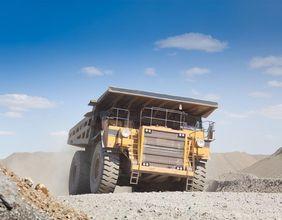
The mining and resources sector also contributes prominently to the index, supporting global commodity supply chains through extraction and distribution activities. Companies within this sector operate across commodities such as iron ore, gold, and energy resources, linking domestic production with international demand.
Healthcare and technology sectors provide additional diversification within the index, representing innovation-driven industries that contribute to economic development. These sectors reflect advancements in medical research, digital infrastructure, and technological integration.
Market participation within these sectors is influenced by operational performance, industry developments, and broader economic conditions. These elements contribute to the collective movement of the index and reflect how different industries interact within the financial system.
The inclusion of companies across sectors ensures that the index represents a comprehensive view of the Australian equity market, highlighting the diversity of economic activity.
Macroeconomic Factors and Market Activity
Macroeconomic conditions play a significant role in shaping equity market movements, influencing how companies operate and how investors engage with financial markets. Factors such as economic output, trade activity, and global financial conditions contribute to changes in market participation.
Global economic developments affect commodity demand, currency movements, and capital flows, which in turn influence equity markets. These factors contribute to variations in sector performance and overall index activity.
Domestic economic conditions also play a role in shaping market dynamics, including employment trends, infrastructure development, and industrial output. These elements influence how companies operate within the local economy and contribute to market participation.
Financial markets respond to a combination of global and domestic factors, reflecting the interconnected nature of economic systems. The ASX 200 index captures these interactions, providing insight into how different sectors respond to changing conditions.
The relationship between macroeconomic factors and equity markets highlights the complexity of financial systems, where multiple variables interact to shape market outcomes.
Market Categories and Investment Frameworks
The Australian equity market includes various categories that reflect different investment approaches and financial structures. Within these categories, ASX dividend stocks represent companies that distribute earnings as part of their financial frameworks, aligning distribution policies with operational outcomes.
Other categories include growth-oriented companies, resource-focused firms, and industrial entities, each contributing to the diversity of the market. These categories highlight how companies operate under different business models and financial strategies.
Market participants engage with these categories based on various factors, including sector exposure, operational focus, and financial objectives. This diversity contributes to the dynamic nature of the equity market, where multiple investment approaches coexist.
The integration of different categories within the ASX 200 index reflects the broad scope of the Australian equity market. Companies across sectors contribute to index composition, supporting a balanced representation of economic activity.
These frameworks demonstrate how financial markets accommodate a wide range of industries and operational models, contributing to overall market dynamics.
Global Market Linkages and Sector Interactions
The Australian equity market operates within a global financial environment, where international developments influence domestic market activity. Trade relationships, commodity markets, and financial systems contribute to the interaction between global and local markets.
Mining companies within the ASX 200 are linked to global commodity demand, supplying resources to international markets. Financial institutions interact with global capital markets, facilitating investment flows and economic activity.
Technology and healthcare sectors also engage with global markets, reflecting advancements in innovation and research. These sectors contribute to the diversification of the index and highlight the integration of Australian companies within international industries.
Global market linkages influence how sectors perform and interact within the ASX 200 index. These interactions contribute to changes in market participation and reflect the interconnected nature of financial systems. The presence of diverse sectors within the index underscores the role of the Australian equity market in supporting global economic activity.
Market Activity Trends and Ongoing Developments
Equity markets continue to evolve in response to changes in technology, regulation, and global economic conditions. These developments influence how companies operate and how markets function.
Technological advancements contribute to improved trading systems, data analysis, and market accessibility, enhancing participation across different investor groups. These innovations support the efficiency of financial markets.
Regulatory frameworks ensure that markets operate within established guidelines, maintaining transparency and accountability. These frameworks influence how companies manage operations and engage with investors.
Global economic developments continue to shape market activity, influencing sector participation and index movement. These factors contribute to ongoing changes in the equity market landscape. The ASX 200 index reflects these developments, capturing the collective movement of companies across sectors and highlighting the dynamic nature of financial markets.
