
 AUS
AUS
 NZ
NZ
 UK
UK
 CA
CA
 USA
USA
 IND
IND






Highlights
ASX 200 reverses gains following global developments.
Energy and commodity trends influence sector participation.
Mixed performance across sectors reflects market adjustment.
ASX 200 closing bell reflects market reversal driven by global developments, with broad sector participation across materials, financials, and energy stocks.
The large-cap segment of the Australian equity market includes companies operating across materials, financials, energy, and consumer sectors. These businesses contribute to benchmark indices such as the ASX 200, reflecting their role in shaping overall market participation. Large-cap stocks often respond to global developments, geopolitical signals, and commodity trends, creating dynamic trading conditions throughout the session.
Within this landscape, companies such as BHP Group Ltd (ASX:BHP) operate within the materials sector, while Commonwealth Bank of Australia (ASX:CBA) represents the financial sector. These companies illustrate how different industries contribute to the broader structure of the equity market, highlighting the interconnected nature of sector participation.
Market Reversal and Global Influence on Equity Activity
Market activity during the session reflected a shift from earlier gains, with the benchmark index reversing direction as global developments influenced sentiment. External cues, including geopolitical developments and macroeconomic signals, contributed to adjustments in sector participation.
The reversal in market direction was observed across multiple sectors, indicating broad-based movement rather than isolated changes within specific industries. This type of market behaviour reflects how global events can influence trading activity across equities.
Commodity markets also played a role in shaping market conditions, with fluctuations in oil and gold influencing sector engagement. Changes in commodity trends contribute to how resource and energy companies participate within the equity market.
The integration of global developments with domestic market activity highlights the interconnected nature of equity markets. Companies within large-cap indices respond to a combination of local and international factors, reinforcing the dynamic structure of trading sessions.
Materials and Energy Sector Participation
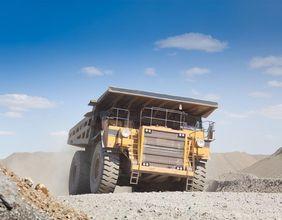
The materials and energy sectors represent key components of the Australian equity market, driven by companies engaged in resource extraction and energy production. These sectors are closely linked to global commodity demand and industrial activity.
Companies such as BHP Group Ltd operate within the materials sector, contributing to the production of commodities that support global supply chains. Their activities reflect the importance of mining companies within the broader economic framework.
Energy companies also contribute to market participation through their involvement in oil and gas production. Changes in energy markets influence how these companies engage with equity markets, shaping sector activity during trading sessions.
The inclusion of materials and energy companies within broader benchmarks, including references to the asx all ords, highlights their contribution to diversified market composition. This integration supports representation across industries within the equity landscape.
Financial and Consumer Sector Interaction
The financial and consumer sectors provide additional dimensions to market participation, reflecting the role of banking institutions and consumer-focused companies within the equity market. These sectors contribute to the overall structure of large-cap indices through their integration with economic activity.
Commonwealth Bank of Australia operates within the financial sector, supporting lending, transactions, and capital allocation across industries. The presence of major banks within the market underscores their importance in facilitating economic processes.
Consumer sectors, including retail and essential services, also contribute to market participation. These industries reflect patterns of consumption and demand within the broader economy, influencing how companies engage with equity markets.
The interaction between financial institutions and consumer sectors highlights the interconnected nature of market activity. Banking services support consumer transactions, while consumer demand influences economic activity across industries.
Participation across sectors also includes exposure to categories such as ASX dividend stocks, reflecting the diversity within equity markets. This diversity enhances the structure of market participation and supports balanced representation across industries.
Market Movers and Stock-Specific Activity
Individual stock movements contributed to overall market activity, with companies across sectors reflecting varied performance during the session. Some companies recorded gains aligned with sector developments, while others reflected adjustments linked to operational updates and market conditions.
Elsight Ltd (ASX:ELS) reflected activity within the technology and defence-related segment, highlighting the influence of global developments on specialised sectors. Similarly, Alcoa of Australia Ltd (ASX:AAI) contributed to movement within the materials sector, reflecting commodity-linked participation.
Duratec Ltd (ASX:DUR) demonstrated activity within industrial services, reflecting operational developments and sector engagement. KMD Brands Ltd (ASX:KMD) reflected movement associated with corporate developments, highlighting how company-specific factors contribute to market participation.
Additional companies such as Arcadia Minerals Ltd (ASX:AM7), KGL Resources Ltd (ASX:KGL), and Savannah Goldfields Ltd (ASX:SVG) contributed to activity within the resource sector. Their participation highlights the diversity of companies operating within the mining and exploration segments.
The presence of both leading and lagging stocks during the session reflects the varied nature of market activity. Companies across industries contribute to overall index movement, reinforcing the importance of diversified participation within the equity market.
Sector Integration and Market Representation
The Australian equity market reflects integration across multiple sectors, where companies operating in materials, financials, energy, technology, and consumer industries contribute to overall market dynamics. This interconnected structure supports a diversified and balanced equity landscape.
Large-cap companies such as BHP Group Ltd and Commonwealth Bank of Australia illustrate how leading entities contribute to market representation. Their operations align with broader industry trends, reinforcing their importance within the equity market.
The inclusion of companies across various sectors within benchmark indices highlights the breadth of market participation. As sectors interact and evolve, the equity market continues to reflect a comprehensive representation of economic activity.
The interaction between sectors underscores the importance of diversified participation within equity markets. Companies across industries collectively contribute to economic processes, reinforcing the complexity and depth of the market environment.
