
 AUS
AUS
 NZ
NZ
 UK
UK
 CA
CA
 USA
USA
 IND
IND





Highlights
Lithium sector shaken by China’s production restart
Pilbara Minerals and Liontown Resources face heavy scrutiny
Global battery market signals ripple across the ASX
The lithium sector once again grabbed attention as global supply headlines reshaped sentiment across the ASX stock market. Pilbara Minerals (ASX:PLS), one of the largest producers of lithium spodumene, saw heightened trading activity after reports emerged of a key Chinese mine restarting operations sooner than anticipated. Liontown Resources (ASX:LTR), another major player in the lithium space, also faced pressure as investors weighed the global implications of additional supply entering the market.
This development matters not only for the lithium industry but also for the ASX 200, given the significance of Pilbara Minerals as a benchmark constituent. The shifts underline how quickly global supply-demand dynamics can influence sentiment across the Australian market, particularly in sectors tied to critical commodities such as lithium.
What Triggered the Downturn in Lithium Stocks?
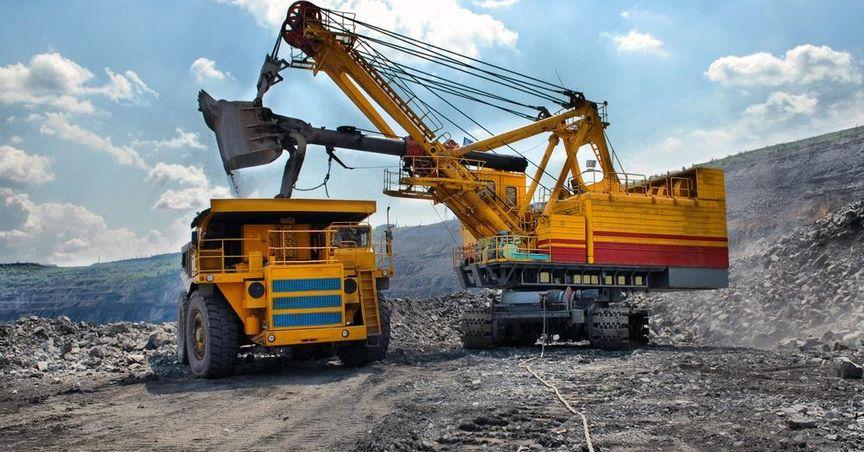
The catalyst came from China, where a major producer moved to resume operations earlier than expected after regulatory permit issues had initially halted mining. The Jiangxi mine had accounted for a meaningful portion of global lithium supply, and its unexpected return added pressure on prices.
For companies like Pilbara Minerals (ASX:PLS), which operates one of the world’s largest independent hard-rock lithium mines in Western Australia, this meant renewed concerns over pricing power and market balance. Liontown Resources (ASX:LTR), a developer with significant projects under construction, also became a focal point as markets questioned how new supply might alter project economics.
How Do Global Lithium Prices Shape Local Stocks?
Lithium carbonate prices in China are often viewed as the global benchmark for battery metals. The resumption of Chinese supply sent a clear signal that the market could be entering another period of surplus, at least in the short term. For the Australian market, this translated into weaker sentiment for listed lithium names, particularly those already navigating capital-intensive growth stages.
The importance of Chinese production highlights how interconnected global markets have become. Australian miners not only depend on strong export demand from Asia but also face the reality that shifts in Chinese output can immediately affect valuation on the ASX ordinaries stocks.
What Are the Broader Implications for Pilbara Minerals?
Pilbara Minerals (ASX:PLS) has built its reputation as a key supplier in the battery metals supply chain, with long-term contracts and growing exposure to downstream partnerships. Its inclusion in the ASX 200 makes it a bellwether for investor sentiment in the lithium sector.
The immediate challenge is balancing strong demand growth expectations for electric vehicles with the reality of additional supply from China. While lithium remains an essential component of the clean energy transition, market cycles can be brutal when supply comes online faster than anticipated.
Why Did Liontown Resources Come Under Pressure?
Liontown Resources (ASX:LTR) represents the new wave of Australian lithium developers, with projects such as Kathleen Valley shaping its growth story. The company’s strategy relies on delivering large-scale production capacity into a market that is expected to expand significantly over the long term.
However, new entrants are often most exposed to short-term price volatility. A sudden downturn in global lithium benchmarks can cast doubt over project financing, construction schedules, and downstream agreements. This explains why Liontown’s performance closely tracked the broader decline across the sector following the Chinese supply news.
How Does Chinese Production Influence Global Lithium Supply?
China remains the most influential player in the lithium supply chain, controlling a significant portion of both mining and downstream chemical conversion capacity. When a Chinese mine halts production, global markets react swiftly; when that same mine restarts earlier than expected, the reversal is just as pronounced.
This dominance explains why lithium producers in Australia—among the world’s largest exporters—often trade in line with developments in Chinese supply. For Pilbara Minerals (ASX:PLS), even small fluctuations in Chinese carbonate pricing can influence revenue expectations. For Liontown Resources (ASX:LTR), which is still in the growth stage, these swings can affect perceptions of long-term project viability.
The interconnectedness of supply chains means that Australian companies must manage not only local operational performance but also the global pricing environment, which is heavily driven by Chinese output decisions.
Why Has Lithium Been So Volatile in Recent Years?
Lithium has one of the most dramatic boom-and-bust patterns in the commodities world. Over the past decade, surging demand from electric vehicle manufacturers created rapid price appreciation. However, new supply from both Australian hard-rock mines and South American brine projects often outpaced demand in the short term, sending prices downward.
This cyclical pattern explains the sharp reaction whenever news emerges about Chinese mines. Traders and analysts know that supply-and-demand balances can swing quickly. Lithium’s volatility reflects not only industrial fundamentals but also broader sentiment toward the energy transition.
For the ASX stock market, this volatility has translated into high-profile rallies followed by equally notable pullbacks. Companies such as Pilbara Minerals and Liontown Resources often serve as reference points for this pattern.
What Is the Impact on Broader ASX Mining Stocks?
The lithium pullback did not occur in isolation. Within the category of ASX mining stocks, many resource companies felt the ripple effect of changing expectations for battery metals. While lithium miners were most directly affected, the sentiment spread to peers in nickel, cobalt, and rare earths—commodities that also play critical roles in clean energy technologies.
This highlights the sector’s interconnectedness: when lithium struggles, investor caution often extends to other parts of the clean energy materials basket. Conversely, when lithium rallies, optimism tends to lift related companies across the ASX ordinaries stocks.
How Are Established Producers Positioned?
Established producers like Pilbara Minerals (ASX:PLS) often weather downturns better than smaller developers. With existing operations, strong partnerships, and established logistics, such companies can absorb short-term volatility. Their role as long-term suppliers makes them integral to both regional and global battery supply chains.
In contrast, emerging developers like Liontown Resources (ASX:LTR) are more vulnerable to sudden price swings. Without significant cash flow from operations, these companies rely heavily on investor confidence, project financing, and the promise of future production.
This dynamic reinforces why the market often reacts more sharply to news when applied to growth-stage lithium companies than to established producers.
How Do Global EV Trends Play Into This?
Electric vehicle adoption remains the single largest driver of lithium demand. Automakers across the world—from Asia to North America—continue to expand their EV offerings, ensuring long-term demand for battery metals. Yet in the short term, production capacity in China can overwhelm markets, creating mismatches between demand growth and supply surges.
Australian producers must therefore navigate a paradox: while long-term demand fundamentals remain strong, short-term volatility can disrupt valuations. For the ASX 100, where several major resource companies sit, this interplay between long-term optimism and near-term caution is a recurring theme.
What Can History Teach About Lithium’s Market Cycles?
Looking back, lithium has experienced several sharp cycles. Rapid demand growth around earlier phases of EV adoption sparked massive investment in new supply. When that supply reached the market faster than expected, prices fell, leaving many projects delayed or shelved.
Pilbara Minerals (ASX:PLS) emerged as a survivor from these earlier downturns, proving that established operators can adapt to difficult conditions. Liontown Resources (ASX:LTR), as part of the new generation of developers, is now experiencing firsthand how global supply shocks can shape project timelines and investor perception.
The lesson from history is clear: lithium’s long-term story remains intact, but its short-term path is often unpredictable.
How Are Investors Viewing the Latest Developments?
Investors are now weighing two conflicting narratives. On one hand, the restart of Chinese production highlights the risk of oversupply and softer prices. On the other hand, the structural trend toward electrification and renewable energy continues to drive expectations of long-term demand growth.
This tension explains why lithium stocks on the ASX stock market can experience such extreme moves in either direction. Optimism about future demand competes with caution about immediate supply, and both forces can dominate at different moments.
How Does Lithium Fit Into the Global Clean Energy Transition?
Lithium is widely considered the backbone of the clean energy transition. As the core material in rechargeable batteries, it powers electric vehicles, consumer electronics, and renewable storage systems. The race toward decarbonisation has made lithium one of the most closely tracked commodities in modern markets.
For Australia, the resource carries even greater weight. With vast reserves of spodumene, Australian companies like Pilbara Minerals (ASX:PLS) and Liontown Resources (ASX:LTR) are central to global supply. This positioning means that when global demand rises, Australia is poised to benefit significantly, but when supply surges unexpectedly, domestic producers are among the first to feel the strain.
What Role Does Competition Play Globally?
The lithium market is highly competitive, with producers in South America, China, and Australia all vying to secure long-term contracts with automakers and battery manufacturers. South American brine operations provide large volumes at scale, while China dominates processing capacity. Australia, however, remains a leader in hard-rock mining, producing spodumene concentrate that feeds into global supply chains.
This competition shapes strategy for Australian producers. Pilbara Minerals (ASX:PLS) leverages its scale and partnerships to stay competitive, while Liontown Resources (ASX:LTR) aims to secure a foothold through advanced project development. Each company faces the same global headwinds—volatile prices, shifting demand, and policy-driven trade flows.
How Are ASX Mining Stocks Responding to Global Shifts?
The broader category of ASX mining stocks reflects not only lithium’s volatility but also global demand for other resources such as copper, iron ore, and nickel. While lithium dominates headlines, fluctuations in other commodities often amplify or offset sentiment within the sector.
Lithium’s latest downturn highlighted how resource-heavy indices like the ASX ordinaries stocks can move in response to a single commodity. It also showed how quickly market sentiment can shift when Chinese supply headlines emerge, reinforcing the globalised nature of Australia’s mining exposure.
What Risks Could Lithium Producers Face in the Medium Term?
Lithium producers face several challenges that extend beyond pricing. Regulatory hurdles, environmental considerations, and financing constraints all shape project timelines. In China, permit-related delays already demonstrated how quickly production can be disrupted. For Australian companies, local approvals and infrastructure requirements also play a decisive role.
Currency fluctuations present another risk. Since lithium is traded globally in US dollars, shifts in exchange rates can impact margins for Australian producers. This adds yet another layer of complexity to a sector already balancing volatile prices and aggressive global competition.
Do Lithium Stocks Fit Into Long-Term Income Strategies?
Lithium companies are traditionally viewed as growth stocks rather than income stocks, but some investors are increasingly considering how resource firms could eventually join the ranks of ASX dividend stocks. Established producers like Pilbara Minerals (ASX:PLS) have already demonstrated the ability to generate strong cash flows in favourable markets, sparking discussions about long-term shareholder returns.
However, for emerging players such as Liontown Resources (ASX:LTR), the focus remains on project delivery rather than near-term income. This contrast highlights how investors segment the sector: established producers may eventually become income providers, while developers are more aligned with growth-driven strategies.
What Is the Long-Term Outlook for Lithium?
Despite short-term setbacks, lithium’s long-term trajectory remains tied to electric vehicle adoption and renewable energy integration. Global policy commitments to reduce carbon emissions create an ongoing floor of demand for battery materials. Even if supply fluctuations disrupt pricing, the underlying structural story points to continued growth.
For Pilbara Minerals (ASX:PLS), long-term contracts and established partnerships provide resilience. For Liontown Resources (ASX:LTR), the challenge lies in transitioning from development to production during a period of volatile prices. Both companies remain integral to the broader Australian resource sector, reflecting the country’s role as a global supplier of energy transition materials.
How Does the Lithium Story Feed Into the ASX Stock Market?
Lithium’s volatility has become a recurring theme within the ASX stock market. When global supply shocks occur, lithium miners often lead sector movements, creating ripple effects across indices like the ASX 100. Their influence underscores the significance of resources in shaping overall market sentiment.
This dynamic also reinforces why lithium names often appear in discussions about the ASX 200. As core members of Australia’s benchmark indices, companies like Pilbara Minerals carry weight far beyond their own operations, influencing how investors perceive the health of the broader market.
Why Does Lithium Remain a Strategic Commodity?
Beyond market cycles, lithium carries strategic importance for governments and industries. Securing supply of battery metals is now seen as a national priority in many countries. For Australia, this provides both opportunities and responsibilities. Local producers not only serve global markets but also contribute to national energy security strategies.
Pilbara Minerals (ASX:PLS) and Liontown Resources (ASX:LTR) are therefore more than just mining companies—they are critical participants in the global race to secure resources essential for decarbonisation and technological advancement.
Closing Insights
The latest downturn in lithium stocks underscores how quickly global supply dynamics can reshape sentiment across the Australian market. Pilbara Minerals (ASX:PLS) and Liontown Resources (ASX:LTR) illustrate two sides of the sector: the resilience of established producers and the vulnerability of emerging developers.
While Chinese production headlines sparked immediate volatility, the long-term case for lithium remains firmly linked to electric vehicles, renewable storage, and the broader energy transition. For investors and market observers alike, the sector represents both risk and opportunity—shaped by short-term swings but anchored by structural demand.
