
 AUS
AUS
 NZ
NZ
 UK
UK
 CA
CA
 USA
USA
 IND
IND


.jpg)




Highlights
- As per two indices from CoreLogic and REA's PropTrack, national monthly property prices have fallen in Australia.
- Primary reason behind the fall in property prices is rise of official cash rate by the Reserve Bank of Australia (RBA) in May for the first time in over a decade.
- However, regional Australia may not experience property market slowdown in the short term.
Australian property prices have fallen for the first time in nearly two years. Wealthy cities like Sydney and Melbourne are facing the strongest decline.
Indices show fall in property prices
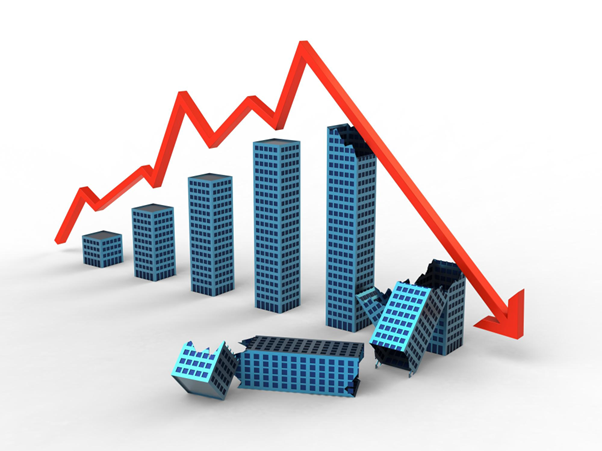
As per two of the nation’s major indices from CoreLogic and REA's PropTrack, the national monthly property prices have fallen in Australia. CoreLogic’s results showcase that this is the first decline since September 2020. Additionally, CoreLogic said the prices fell in Sydney by 1%, and in Melbourne, they fell by 0.7%.
According to PropTrack, this is the first drop in housing prices on a national level since the Covid-19 pandemic began. It said that the prices have fallen by 0.3% in both Sydney and Melbourne.
GOOD SECTION: URW, MGR, DXS, SCG - How are these property stocks acting?
Source: © Dandesign86 | Megapixl.com
Why have property prices fallen?
The primary reason behind the fall in property prices is the rise of the official cash rate by the Reserve Bank of Australia (RBA) in May for the first time in more than a decade. Additionally, the pricing of the housing market peaked in May 2021 and post that, there has been a consistent slowdown in the housing market.
The cost of living is also running high across cities in Australia because of rising inflation, following the rise in fuel and food prices. Additionally, as the interest rate increased, the debt amount for people increased as well. Following this, savings have been less, and in the end, housing affordability is getting more and more challenging.
However, according to various reports, regional Australia is expected not to experience the property market slowdown in the short term.
Besides, according to the national accounts data released by the Australian Bureau of Statistics (ABS), Australia’s GDP rose 0.8% in seasonally adjusted chain volume terms in the March quarter 2022 and was up 3.3% through the year. Household and government spending drove growth. The household saving to income ratio fell from 13.4% to 11.4%, the lowest since the start of the pandemic, but remains above pre-pandemic levels.
All in all, Australia stands in a tough spot with skyrocketing prices, rising interest rates, supply chain woes and fall in the property market. Now, it is to be seen how the newly elected government takes control of the deteriorating condition of the Australian economy.
