
 AUS
AUS
 NZ
NZ
 UK
UK
 CA
CA
 USA
USA
 IND
IND







Highlights:
First mining blast at Kayelekera marks major milestone.
Transition from stockpile processing to new ore underway.
Uranium production ramp-up progressing toward 2026 targets.
Lotus Resources (ASX:LOT) begins mining at Kayelekera, transitioning from stockpile processing to new ore, advancing uranium production and accreditation, and preparing for steady-state output in 2026.
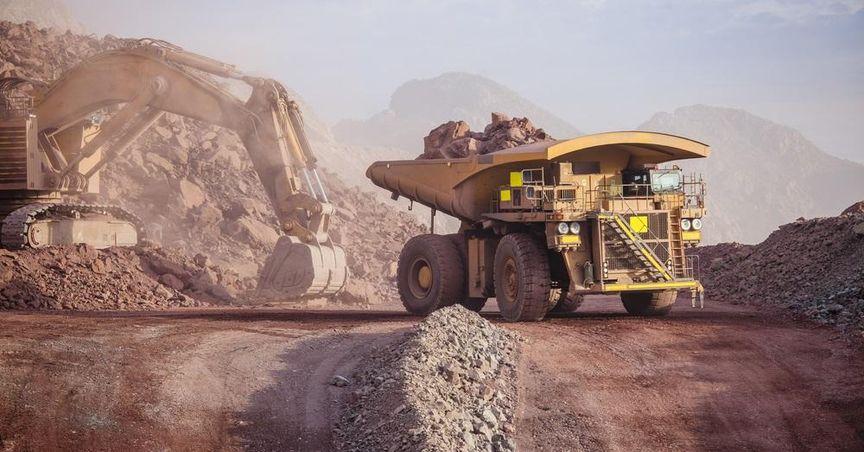
Lotus Resources (ASX:LOT) has achieved a significant milestone with the first mining blast at its Kayelekera Uranium Mine in Malawi. This marks the transition from processing previously mined ore stockpiles to extracting fresh run-of-mine (ROM) ore, reflecting progress toward ramping up uranium production. The project underscores Lotus’ position as a growing ASX mining stock and highlights its strategic role in the global uranium sector.
What Does This Milestone Mean?
The commencement of drill and blast activities at Kayelekera signals the official start of mining operations following the restart of uranium production in August 2025. The company is shifting from processing stockpiled ore to freshly mined ore, which will support the production ramp-up trajectory and optimise output at the open pit operation.
What Is the Kayelekera Uranium Resource?
Kayelekera hosts a current mineral resource of over 51 million pounds of U3O8 equivalent, including the Livingstonia resource. Historically, the mine produced approximately 11 million pounds of U3O8 over five years before entering care and maintenance due to low uranium prices. The resource base provides a strong foundation for sustainable production and future growth.
How Is Production Advancing?
Lotus has implemented an accelerated restart plan, including refurbishment of the mine and commissioning of processing infrastructure. The company has achieved its first yellowcake drumming in Q3 2025 and is ramping up toward a steady-state production target of 200,000 pounds of U3O8 per month at Kayelekera, expected to be reached by Q1 2026.
What About Product Accreditation?
Kayelekera uranium product accreditation is well advanced, with samples already received by converters in the US, Canada, and France. This step ensures that the uranium meets international standards for supply to global utilities and supports the company’s existing offtake agreements.
What Are Lotus’ Growth Opportunities?
Lotus Resources owns an 85% stake in Kayelekera and 100% of the Letlhakane Uranium Project in Botswana. The Kayelekera mine has a projected 10-year life, with all-in sustaining costs expected at approximately US$45 per pound of U3O8. Regional exploration and targeted drilling offer potential for mine life extension and further production upside.
How Is the Company Positioned in the Market?
Lotus has binding offtake agreements with four major global utilities and traders, covering 3.5–3.8 million pounds of uranium between 2026 and 2029. All agreements are priced on a USD base with escalation, ensuring revenue stability and market visibility. The company’s operational and strategic execution positions it as a competitive player in the global uranium market and strengthens its profile among ASX stock market participants.
What Are the Next Steps?
Key near-term priorities for Lotus Resources include:
-
Continuing mining and processing of freshly extracted ROM ore.
-
Completing ramp-up to steady-state uranium production.
-
Maintaining product accreditation and meeting offtake commitments.
-
Advancing regional exploration for potential mine life extension.
These initiatives collectively support Lotus’ objective of establishing itself as a leading uranium producer in Africa.
