
 AUS
AUS
 NZ
NZ
 UK
UK
 CA
CA
 USA
USA
 IND
IND






Highlights
Operations remain the anchor while strategy becomes more disciplined
Selective decarbonisation projects continue alongside iron ore focus
Market attention stays on execution, costs and cycle sensitivity
Fortescue remains driven by iron ore strength while refining its transition strategy with tighter discipline. The next chapter hinges on operational reliability, cost control, and whether green iron initiatives deliver credible progress.
Fortescue Ltd (ASX:FMG) is back at the centre of market attention as iron ore strength supports sentiment and the company refines its strategy around disciplined capital allocation. The narrative has become more nuanced: operational performance remains the foundation, while selective decarbonisation and green iron initiatives aim to strengthen long-term positioning without stretching the balance sheet. For readers tracking the ASX stock market, Fortescue is a classic example of how a resources heavyweight can be judged simultaneously on near-term cycle exposure and longer-term transition credibility.
Why Fortescue remains one of the most watched miners
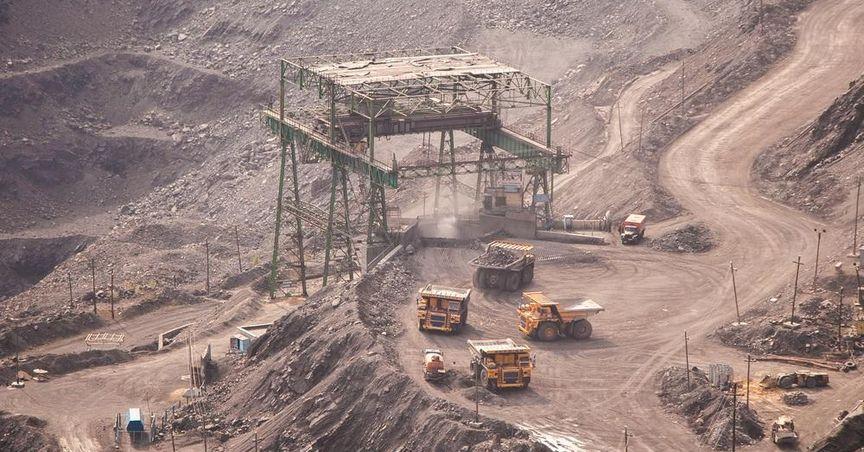
Fortescue is a major Pilbara iron ore producer with a business model shaped by scale, logistics strength, and exposure to global steel demand. That core profile keeps the company in focus because it ties directly to macro forces such as construction cycles, infrastructure demand and China-linked steel production.
At the same time, Fortescue’s transition narrative adds a second layer of interest. The market tends to watch whether the company can broaden its long-term relevance through decarbonisation initiatives while keeping the core iron ore machine efficient and predictable.
What’s changing in the strategy mix
Fortescue’s current direction can be described as “iron ore first, transition with discipline.” That shows up in the way the story is being framed:
-
Iron ore remains the primary value driver and operational priority
-
Transition investments are increasingly selective and execution-focused
-
Capital discipline is being emphasised to protect resilience across commodity cycles
-
Green initiatives are being steered toward technologies and assets that can plug into existing advantages
This approach matters because resources markets can reward ambition in strong cycles, but they usually reward discipline when conditions tighten.
What the “green iron” push is trying to achieve
Green iron is about moving from being a bulk ore supplier toward participating in lower-emissions iron and steel value chains. In simplified terms, this direction aims to:
-
reduce exposure to future carbon constraints in steel supply chains
-
improve relevance with customers facing decarbonisation pressure
-
explore pathways to premium product positioning over time
The market’s key question is not whether the theme is appealing; it’s whether the technology and partnerships can translate into repeatable outcomes without distracting from the iron ore engine.
Why large-scale energy systems matter for the Pilbara narrative
Energy is a major cost and emissions lever in large mining operations. Fortescue’s decarbonisation efforts, including grid-like networks and storage deployment, can be framed as:
-
reducing reliance on conventional fuel inputs where feasible
-
improving operational resilience through integrated energy systems
-
building capability that supports future low-carbon processing ambitions
For investors, these projects are often judged on practicality: reliability, cost outcomes, and how well they integrate into the operational footprint rather than how ambitious the vision sounds.
How modern slavery reporting fits into the broader corporate picture
Modern slavery and supply-chain disclosures sit inside a wider governance and sustainability framework. For large resources companies, these disclosures matter because:
-
supply chains can be complex and cross-border
-
contractors and third parties can introduce risk
-
institutional investors often consider transparency a baseline expectation
In practice, the market tends to treat this as part of “operational licence” and risk management—less about a single announcement and more about consistency of reporting and controls.
What the market will likely watch into the next phase
Because Fortescue is a cycle-exposed miner with a transition narrative, the watchpoints tend to split into two lanes: core operations and strategic evolution.
Core operational watchpoints
-
consistency of shipments and operational reliability
-
cost discipline and productivity focus
-
price realisation relative to benchmark conditions
-
capital allocation choices that preserve resilience
Transition and strategy watchpoints
-
whether green iron initiatives produce credible technical milestones
-
how decarbonisation projects scale from “installed” to “reliable”
-
whether strategic partnerships improve optionality without inflating complexity
-
how the transition program is paced to avoid overreach
How this fits in the broader resources tape
Resources leadership can shift quickly with commodity sentiment. Fortescue sits within the segment often monitored via ASX mining stocks, where investor attention can rotate between bulk commodities, precious metals, and energy-transition materials depending on macro signals.
For context, some readers compare heavyweight miner behaviour against larger cohorts like the ASX 100, while others watch market breadth through ASX ordinaries stocks. Fortescue often acts as a bellwether for how investors are feeling about the resources cycle more broadly.
The key takeaway from this update
Fortescue’s story is currently being shaped by balance: keeping the iron ore engine strong while placing measured bets on decarbonisation and green iron pathways. In a market that is increasingly strict on valuation and execution credibility, the next phase is likely to be judged on reliability, discipline, and whether strategic initiatives produce tangible progress without diluting focus.
