
 AUS
AUS
 NZ
NZ
 UK
UK
 CA
CA
 USA
USA
 IND
IND


_06_04_2026_00_29_48_108019.jpg)




Highlights
Fortescue links iron ore strength with energy-transition ambitions
Dividends and cash flow make FMG a popular income stock
Cycles, exploration and valuation all matter for long-term outcomes
Fortescue combines a powerful iron ore engine with ambitious growth in exploration and energy-transition projects. Dividends, commodity cycles, strategy execution and valuation all matter when weighing the role of FMG shares in a portfolio.
Fortescue Ltd (ASX:FMG) has again moved into focus after a strong run in its share price during 2025. From early in the year to early December, the Fortescue share price has climbed by a double-digit percentage, outpacing many parts of the local market. As a result, some observers are asking whether FMG shares still offer value, while others highlight ongoing strengths in cash flow, dividends and long-term growth plans.
As one of the larger resource names on the ASX 200, Fortescue plays a central role in Australia’s materials sector. It began as a pure iron ore producer in the Pilbara region of Western Australia and has grown into a diversified resources and energy-transition group. Alongside its established iron ore operations, Fortescue has expanded exploration into copper, rare earths and lithium across countries such as Australia, Argentina, Chile, Brazil and Kazakhstan.
Against that backdrop, a recent research note framed the debate with a simple question: “Is the Fortescue share price undervalued?” Rather than giving a one-word answer, it outlined three broad reasons why FMG often appears on watchlists: its position in iron ore and materials, its income profile, and its exposure to long-term electrification and renewable themes.
What does Fortescue actually do?
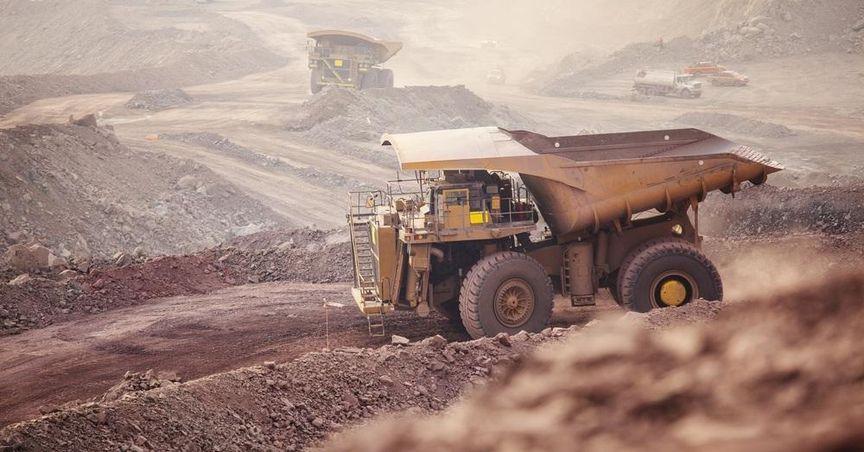
Fortescue is best known as a major iron ore producer. The company’s core business involves mining, processing, railing and exporting iron ore from the Pilbara to customers around the world, predominantly in Asia. Shipments have grown dramatically since the company’s early years, placing it among the largest seaborne suppliers of iron ore globally.
The group’s mines, rail lines and port facilities form an integrated supply chain that moves tens of millions of tonnes of ore each year. Over time, Fortescue has invested heavily in automation, logistics and cost reductions, with a long-standing emphasis on being a low-cost producer in what is a highly cyclical market.
In recent years, the company has broadened its ambitions. Exploration programs now target commodities such as copper, rare earths and lithium across multiple continents. These efforts reflect a belief that materials linked to batteries, renewable power and electrification will see sustained demand growth. In parallel, the company’s energy arm has launched projects aimed at green hydrogen, renewable power and lower-emission industrial processes.
This combination of established iron ore operations and growth aspirations in energy-transition materials is at the heart of the current interest in FMG shares.
Why do some investors pay close attention to materials shares?
The materials sector has been a powerful driver of the Australian sharemarket for many years. Companies involved in mining and resource extraction are tightly linked to global demand for infrastructure, construction, manufacturing and clean-energy technologies.
The S&P/ASX 200 Materials Index, which includes large names from iron ore, diversified mining and related areas, has delivered competitive long-term capital growth compared with the broader index. Over recent years, total returns from the materials segment have often been helped by both share price gains and generous distributions.
Within that landscape, Fortescue sits alongside other large miners as a significant contributor to the sector’s performance. For many, materials shares offer:
-
Exposure to global growth: Demand for iron ore, copper and other metals is influenced by infrastructure spending, industrial activity and emerging-market development.
-
Links to the energy transition: Metals such as copper, nickel and lithium are critical for electric vehicles, battery storage, solar, wind and grid upgrades.
-
Income streams: Many established mining companies distribute a substantial share of profits as dividends, particularly in periods of strong commodity prices.
These qualities help explain why some portfolios include a dedicated allocation to large materials names, with Fortescue often featuring alongside other diversified miners.
The income story behind FMG shares
One of the most widely discussed aspects of Fortescue is its record of paying sizeable dividends during periods of strong profitability. Over the past five years, the company’s dividend yield has averaged a high single-digit to low double-digit figure, making it a prominent name among income-focused investors.
Recently, the trailing yield has been lower than this multi-year average, even though the latest annual dividend was higher than the three-year average. This indicates that the share price has risen faster than distributions, compressing the yield. In other words, FMG shares are currently trading on a lower yield than their own recent history, primarily because the market has bid up the share price.
For some observers, a relatively high yield compared with other large companies remains attractive. For others, a yield below the five-year average raises questions about whether future dividends will grow quickly enough to justify the current valuation. Importantly, Fortescue’s dividends are inherently tied to commodity cycles. Periods of elevated iron ore prices and strong cash generation tend to deliver higher payouts, while downturns can bring reductions.
Anyone considering the income aspect of FMG shares needs to remember that dividends are not guaranteed. They can and do fluctuate with underlying earnings, changes in capital allocation priorities and movements in commodity markets.
Exposure to iron ore and the materials theme
Fortescue offers direct exposure to iron ore, one of the key raw materials for steel. Global steel production is still heavily reliant on blast furnace technology, which uses iron ore and metallurgical coal, and this has underpinned structural demand for high-volume ore producers in Australia and elsewhere.
As long as major economies continue to invest in housing, transport, energy and industrial infrastructure, demand for steel – and therefore iron ore – remains significant. Even as new technologies and alternative materials emerge, most forecasts still anticipate strong iron ore usage for many years, particularly in developing regions.
Owning a large, established producer like Fortescue is one way to gain exposure to this theme. The company’s focus on efficiency and cost control means it can remain competitive even during weaker parts of the cycle. When prices are favourable, margins can expand rapidly; when they soften, lower-cost producers can continue to operate profitably while higher-cost rivals struggle.
Beyond iron ore, materials companies can provide indirect exposure to broader macro themes. For example, increased demand for copper and nickel in electric vehicles and renewable infrastructure can support sentiment across the sector. As Fortescue expands exploration into these areas, its fortunes may become more closely aligned with the energy transition as well as traditional steel demand.
Energy-transition and exploration optionality
Fortescue’s long-term strategy goes well beyond simply operating its existing mines. Management has repeatedly emphasised the desire to align the business with the global shift toward renewable energy and low-emission technologies.
On the exploration side, the company is targeting copper, rare earths and lithium in multiple jurisdictions. These materials are central to batteries, electric motors, permanent magnets and other components of modern energy systems. Successful discoveries and developments could expand Fortescue’s earnings base beyond iron ore, potentially smoothing some of the volatility that comes from reliance on a single commodity.
On the energy side, Fortescue is investing in renewable generation, green hydrogen and related projects. The ambition is to decarbonise its own operations over time and to participate in emerging markets for clean fuels and low-carbon industrial inputs. These initiatives are still at varying stages of development and carry significant execution and policy risk, but they form an important part of the long-term narrative around FMG shares.
From one perspective, this mix of growth projects and decarbonisation efforts offers meaningful upside if the energy transition unfolds as expected. From another, it introduces additional complexity and capital requirements that must be weighed against the stability of the core iron ore business.
How can the dividend yield be interpreted thoughtfully?
The research note you provided highlighted a simple valuation shortcut: comparing the current dividend yield with its own history. In that framework, a lower yield than the five-year average can suggest that the share price has moved ahead of historical norms.
However, yield alone is rarely a complete valuation tool. A lower yield might indicate that the market expects earnings and dividends to grow over time, justifying a higher price. It could also reflect lower perceived risk, improved balance sheet strength or greater confidence in long-term strategy. Conversely, a high yield relative to history can sometimes signal market concern about sustainability or future earnings pressure.
In Fortescue’s case, the research note pointed out that recent dividends have actually grown compared with earlier years, even as the yield has moved below its longer-term average. That suggests the share price has advanced more quickly than payouts, rather than the dividend falling away.
To gain a more complete picture, valuation methods such as Discounted Cash Flow and Dividend Discount Models can be used to estimate the present value of future cash flows. These models require assumptions about iron ore prices, production volumes, costs, capital expenditure, tax, and the trajectory of future distributions. While they can never be exact, they provide a structured framework for thinking about whether the current share price is above or below an estimated fair value range.
What are the main risks around FMG shares?
Even with strong recent performance and a compelling long-term story, Fortescue is exposed to a range of risks that need to be considered alongside the positives.
Commodity and cycle risk
The company’s earnings and dividends depend heavily on iron ore prices. Global demand can be influenced by Chinese construction activity, infrastructure spending, manufacturing trends and policy shifts. A sustained downturn in steel demand or a sharp increase in global supply could pressure prices and reduce cash flows.
Dividend variability
While Fortescue has established a reputation for generous distributions during good times, those payments are not fixed. They fluctuate with profits and with management decisions about how to balance reinvestment, debt management and returns to shareholders. Anyone relying on a particular income level from FMG needs to recognise this inherent variability.
Concentration and exploration risk
Fortescue’s strategy involves expanding into new commodities and regions. Exploration carries geological, technical and jurisdictional risks. Not every project will be successful, and some may require more time or capital than originally anticipated. Concentration risk remains a factor, given the central role of iron ore.
Energy-transition execution risk
The company’s push into green energy, hydrogen and decarbonisation technologies involves significant upfront investment. The commercial landscape for these projects is evolving, with outcomes depending on policy support, technology costs and global competition. Missteps in capital allocation could weigh on returns from the core business.
How might someone deepen their understanding of FMG shares?
For anyone seeking to understand Fortescue more fully, several steps can be useful:
-
Review company reports and presentations to see how management describes strategy, capital allocation and risk.
-
Study commodity market drivers, including iron ore demand, supply trends and cost curves.
-
Explore valuation frameworks such as Discounted Cash Flow and Dividend Discount Models to test how different assumptions affect estimated value.
-
Compare Fortescue with peers in areas such as cost position, diversification, balance sheet strength and decarbonisation plans.
Importantly, all of this analysis is informational in nature. Decisions about whether FMG shares suit a particular portfolio depend on personal circumstances, objectives, time frames and risk tolerance, and are best considered with the help of a qualified adviser.
