
 AUS
AUS
 NZ
NZ
 UK
UK
 CA
CA
 USA
USA
 IND
IND






Highlights
Fortescue Ltd operates within the Australian metals and mining sector with large-scale iron ore activities
The company maintains index inclusion across major Australian equity benchmarks
Operations align with infrastructure, exports, and global commodities trade
Fortescue Ltd operates within the metals and mining sector of the Australian equity landscape, a segment that remains closely connected to infrastructure development, steelmaking supply chains, and export-oriented resource activity. The company is listed on the Australian Securities Exchange and maintains inclusion across several major benchmarks, including the Asx 20, Asx 50, Asx 100, Asx 200, Asx 300, and the All Ordinaries.
The Australian mining sector forms a substantial component of the broader ASX stock market, with iron ore remaining one of the most widely exported commodities from the country. Companies in this sector often operate extensive supply networks that span extraction, processing, logistics, and international shipping. Fortescue Ltd is positioned within this framework through its integrated mining operations located primarily in Western Australia.
Mining equities are commonly reviewed alongside other ASX mining stocks, reflecting shared exposure to commodity demand cycles, export logistics, and global industrial consumption patterns. Fortescue Ltd functions as part of this broader ecosystem, contributing to production volumes, employment, and regional development in mining-focused areas.
Operational Overview and Resource Focus
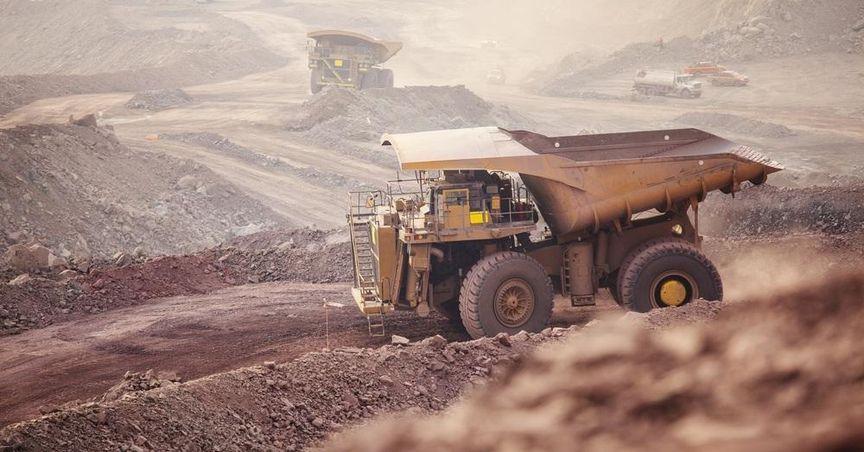
Fortescue Ltd is primarily associated with iron ore extraction and export activity. Its operations include large-scale open-cut mining sites, rail infrastructure, and port facilities that support bulk commodity transportation. These assets enable the movement of iron ore from inland production areas to coastal export terminals, connecting Australian supply with international markets.
The company’s operational footprint reflects the capital-intensive nature of mining enterprises, where long-established infrastructure underpins output continuity. Mining operations of this scale typically involve extensive planning, regulatory compliance, and environmental management frameworks. Within Australia, mining companies operate under a combination of state and federal oversight that governs land use, rehabilitation, and community engagement.
Fortescue Ltd (ASX:FMG) is referenced within market discussions as part of the iron ore segment rather than diversified mining, with its activities closely linked to steel production demand. Iron ore remains a foundational input for construction, manufacturing, and infrastructure projects globally, supporting its role within export-driven economies such as Australia.
Index Representation and Market Visibility
Index inclusion plays a significant role in shaping the visibility of listed companies within the Australian equity environment. Fortescue Ltd appears across multiple benchmark groupings, reflecting its scale and liquidity within domestic markets. Placement within indices such as the ASX 100 and the All Ordinaries often aligns companies with broader market tracking activity and institutional referencing.
Index membership generally results from market capitalisation thresholds and trading activity, which determine eligibility across different benchmark tiers. Companies within these indices are frequently monitored as part of diversified portfolios, index-linked products, and sector-based market commentary.
Within the Australian context, mining entities represent a notable share of major indices due to the country’s resource-focused economic structure. Fortescue Ltd’s presence across multiple index categories places it among well-recognised names in the domestic equity landscape.
Industry Context and Commodity Linkages
The iron ore industry operates within a global commodities framework shaped by infrastructure investment, urban development, and industrial output. Australian producers supply a significant portion of seaborne iron ore, connecting domestic extraction activity with overseas steel manufacturing hubs.
Companies such as Fortescue Ltd function within a network of shipping operators, port authorities, and international buyers. Commodity pricing mechanisms are influenced by supply volumes, freight capacity, and macroeconomic factors affecting construction and manufacturing activity. Mining entities must coordinate production schedules with logistics planning to maintain consistent export flows.
The sector also intersects with sustainability discussions, workforce management, and technological development. Automation, remote operations, and data-driven monitoring systems have become increasingly integrated into large-scale mining projects across Australia.
Dividends, Market Classification, and Investor Awareness
Within the Australian equity universe, mining companies are often discussed alongside income-focused segments such as ASX dividend stocks, although dividend frameworks vary by company and market conditions. Dividend policies are typically influenced by operational cash flow, capital expenditure planning, and balance sheet considerations.
Fortescue Ltd is categorised within the broader mining classification rather than diversified industrial or financial sectors. Its market classification aligns with other resource-focused companies included among ASX ordinaries stocks, reflecting its established presence within the listed market structure.
Awareness of mining companies often extends beyond financial markets due to their economic contribution, export role, and regional employment footprint. In Australia, the mining sector remains closely linked to national trade outcomes and infrastructure development.
