
 AUS
AUS
 NZ
NZ
 UK
UK
 CA
CA
 USA
USA
 IND
IND







Highlights
Energy minerals strengthen as resources drive midday performance
Retail companies weigh on broader market sentiment
Sector movements reflect global demand and local economic pressures
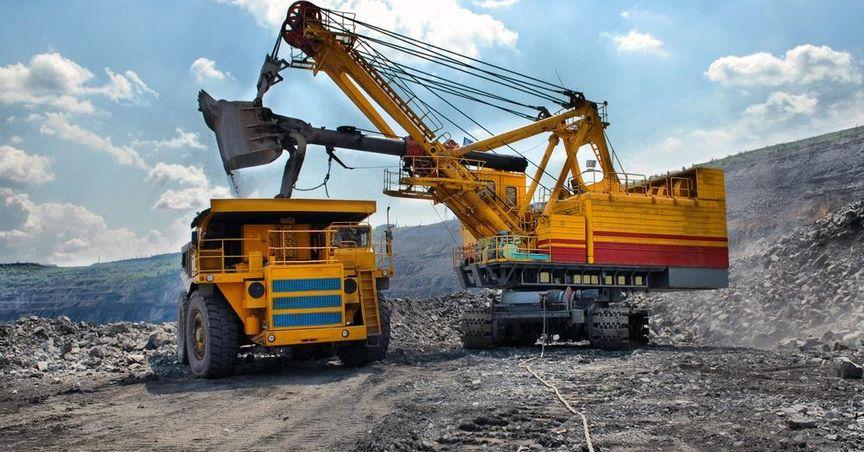
The ASX 200 moved into focus as midday trade highlighted diverging performances across key sectors. Energy minerals advanced strongly, offering stability within the resources segment, while retail companies faced headwinds. This dynamic shaped overall sentiment in the ASX stock market, with investors closely watching how different industries responded to shifting global and domestic signals.
Among the standouts was South32 (ASX:S32), a diversified miner with interests spanning alumina, manganese, and energy coal. Its performance offered a snapshot of how resource-linked companies continue to benefit from resilient commodity demand, even as consumer-driven sectors like retail trade came under strain.
What Are the Key Drivers Behind Energy Minerals Gains?
Energy mineral companies form a core part of the Australian economy, anchoring both exports and domestic industrial output. The sector’s rise in midday trade reflected continued demand for commodities such as coal, gas, and related resources.
South32 (ASX:S32)
South32 is a global mining and metals company with a portfolio that includes alumina, manganese, and energy coal assets across Australia and South Africa. Its performance underscored how resource producers remain resilient in the face of broader market fluctuations. As global demand for metals and minerals persists, companies like South32 play a central role in the ASX mining stocks narrative.
Whitehaven Coal (ASX:WHC)
Whitehaven Coal focuses on the exploration, development, and production of coal assets in New South Wales and Queensland. Midday trade showed strength in the energy minerals segment, with coal producers benefitting from steady demand linked to power generation and steel production. The company’s positioning reflects how fossil fuel-linked firms remain a key contributor to the ASX ordinaries stocks category despite the ongoing energy transition.
Why Did Retail Trade Weigh on the Market?
While energy minerals moved higher, retail trade was the weakest performer by midday. The contrast highlighted how discretionary spending patterns and consumer confidence continue to shape the outlook for retail-focused companies.
Wesfarmers (ASX:WES)
Wesfarmers operates across retail, chemicals, energy, and industrials. Its retail arms include household brands such as Kmart and Bunnings, which depend heavily on consumer demand. When retail trade weakens, companies like Wesfarmers often reflect the shift quickly, making them a bellwether for discretionary spending trends within the ASX 100.
Woolworths Group (ASX:WOW)
Woolworths Group is a major player in supermarkets and retail services across Australia and New Zealand. Its operations span grocery, liquor, and convenience, making it a central part of household consumption. The company’s midday performance echoed the broader retail slowdown, as consumers remain cautious in the face of inflationary pressures.
How Do Sector Divergences Shape Market Sentiment?
The contrast between rising energy minerals and struggling retail highlights the sector-driven nature of the Australian market. Resources often provide resilience when consumption-linked industries lag, while consumer discretionary can weigh heavily when economic sentiment weakens.
This divergence also reinforces the importance of balance within the ASX stock market. While resource-heavy companies can buoy indices during commodity-driven rallies, downturns in retail trade signal challenges in domestic demand.
What Role Do Commodities Play in Today’s Performance?
Commodity markets continued to serve as a foundation for the energy minerals sector. Gold prices remained firm, iron ore demand from China supported miners, and coal prices steadied despite global policy debates. These trends carried through to companies such as:
-
New Hope Corporation (ASX:NHC): A diversified coal producer with operations in Queensland and New South Wales.
-
Iluka Resources (ASX:ILU): A mineral sands producer, supplying zircon, rutile, and synthetic rutile to global markets.
Both companies benefitted from commodity resilience, reinforcing the strength of ASX mining stocks.
Which Companies Reflect Broader Market Shifts?
Harvey Norman (ASX:HVN)
Harvey Norman is a retail and property investment group operating in furniture, electronics, and household goods. Its midday performance mirrored broader retail struggles, underscoring how discretionary spending cuts impact durable goods retailers.
JB Hi-Fi (ASX:JBH)
JB Hi-Fi, a leading electronics and entertainment retailer, also reflected the strain in consumer discretionary sectors. With household budgets tightening, electronics demand remains sensitive to shifts in consumer confidence, placing the company within the spotlight during midday trade.
How Do Dividend Stocks Fit Into This Picture?
Even as retail trade weakened, income-focused companies continued to attract attention. The ASX dividend stocks category remains important for stability-seeking investors. Companies in energy and materials with consistent dividend policies often act as counterweights during retail-led downturns.
Global Factors at Play
International influences also shaped midday trade. Energy markets reflected global supply signals, while consumer confidence trends remained linked to broader macroeconomic conditions. The interplay between commodity cycles and discretionary spending created a push-pull dynamic within the Australian market.
Why Does the ASX Continue to Reflect Global Trends?
The ASX ordinaries stocks are deeply integrated into global trade and capital flows. When commodity demand rises internationally, Australian miners and energy producers benefit directly. Conversely, when global consumer sentiment weakens, domestic retailers often feel the impact quickly.
Closing Perspective: What Does This Midday Update Tell Us?
The midday snapshot showed the dual nature of the ASX stock market. On one side, energy mineral producers provided resilience, buoyed by global demand for coal, mineral sands, and industrial commodities. On the other, retail companies faced challenges, weighed down by cautious consumer behaviour and inflationary pressures.
From South32 (ASX:S32) and Whitehaven Coal (ASX:WHC) in resources to Wesfarmers (ASX:WES) and Woolworths (ASX:WOW) in retail, the diverging performances underscore how sector-specific dynamics drive the overall market narrative.
As the trading day unfolded, it became clear that resilience in energy minerals and pressure in retail trade highlighted the balancing act within Australia’s equities landscape—an environment shaped equally by global commodity cycles and domestic economic realities.
How Are Energy Mineral Companies Sustaining Momentum?
The midday update made clear that energy mineral companies continue to anchor the Australian economy. Their resilience is not only tied to global demand but also to their strategic positioning within the domestic resources sector.
Newcrest Mining (ASX:NCM)
Newcrest Mining is one of the world’s largest gold producers, with major operations across Australia and Papua New Guinea. Gold prices held firm as investors sought stability in global markets, and Newcrest’s stature as a long-standing gold miner highlighted how precious metals companies contribute steady performance within the ASX mining stocks category.
Iluka Resources (ASX:ILU)
Iluka Resources specialises in mineral sands production, supplying zircon and rutile that are essential to ceramics, electronics, and industrial applications. Its inclusion in the energy minerals momentum underscored how mineral sands—often overlooked compared to gold or coal—remain vital to global supply chains and industrial demand.
What Pressures Are Facing Retail Trade?
The retail downturn reflected broader economic concerns, including inflationary pressures, consumer confidence, and changing spending patterns. Midday updates showed significant weakness in discretionary goods, pointing to cautious household budgets.
Coles Group (ASX:COL)
Coles Group operates one of Australia’s largest supermarket networks. While supermarkets typically benefit from stable demand, midday trade showed that even consumer staples can come under pressure when broader retail sentiment weakens. Coles’ performance highlighted the delicate balance between essential and discretionary spending.
Harvey Norman (ASX:HVN)
Harvey Norman, a household name in electronics, furniture, and appliances, remained directly exposed to shifts in consumer demand. Its performance reinforced how durable goods retailers face challenges when inflation and cost-of-living pressures reduce discretionary spending capacity.
How Do Global Market Forces Shape Local Outcomes?
The Australian share market does not move in isolation. International dynamics often spill over, influencing both resources and retail trade.
-
Commodities: Global energy production levels and supply agreements directly affect coal, oil, and mineral demand.
-
Currencies: A stronger Australian dollar can reduce export competitiveness for miners but lower import costs for retailers.
-
Consumer sentiment abroad: International economic trends, particularly in the United States and China, ripple into Australia’s retail and resources performance.
This interconnectedness ensures that the ASX stock market reflects both domestic and international signals.
What Role Do Financials and Industrials Play?
While the midday update centered on energy minerals and retail trade, financials and industrials also play a significant role in balancing the market.
Commonwealth Bank of Australia (ASX:CBA)
Commonwealth Bank, the country’s largest bank, often acts as a gauge of financial sector health. Although not directly tied to energy or retail, its performance influences investor sentiment across the broader ASX 100.
Qantas Airways (ASX:QAN)
Qantas Airways represents the travel and industrial services sector. Its exposure to fuel prices, consumer spending, and global travel demand makes it highly sensitive to both energy and retail trade shifts. Midday trade highlighted the importance of such cross-sector companies in shaping the overall balance of the Australian market.
Which Companies Are Holding Up as Dividend Anchors?
Amid sector volatility, companies known for steady income distributions remained attractive to stability-seeking investors.
Fortescue Metals Group (ASX:FMG)
Fortescue Metals Group, a leading iron ore producer, has consistently maintained dividend distributions. Its role in the ASX dividend stocks segment makes it a key anchor for those seeking income, particularly when retail and discretionary sectors struggle.
Telstra Group (ASX:TLS)
Telstra Group, Australia’s largest telecommunications provider, also remains a staple among dividend-focused investors. Its presence reinforces how defensive sectors such as telecommunications can offer stability when retail weakness and sector volatility weigh on market sentiment.
How Do Energy Prices Influence Broader Sectors?
Energy prices not only affect mining and exploration companies but also ripple through manufacturing, retail, and transportation.
-
Transport: Airlines and logistics providers face higher costs when fuel prices rise, impacting companies like Qantas (ASX:QAN).
-
Retail: Rising energy costs squeeze household budgets, reducing spending on discretionary goods at retailers like JB Hi-Fi (ASX:JBH).
-
Industrials: Manufacturing firms experience margin pressure when energy input costs increase.
Thus, energy minerals’ gains may offset broader cost concerns, but they also highlight the interconnected nature of the ASX ordinaries stocks.
Why Does Sector Rotation Matter for Investors?
Sector rotation—the movement of capital between industries—remains a defining feature of equity markets. The midday update revealed:
-
A rotation into energy minerals, reflecting confidence in commodity resilience.
-
A rotation out of retail trade, reflecting caution in discretionary spending.
This rotation demonstrates how the Australian market continues to respond to both global commodity cycles and domestic economic conditions.
How Do Technology Companies Fit Into the Current Market Story?
Technology, while not the headline focus of the midday update, continues to shape the long-term trajectory of the Australian market.
Xero (ASX:XRO)
Xero, a leading accounting software company, reflects the growth of digital services. While its midday performance was not in focus, the company illustrates how technology players balance the more traditional mining and retail sectors on the ASX stock market.
WiseTech Global (ASX:WTC)
WiseTech Global, a logistics software provider, highlights the intersection between technology and global supply chains. Companies like WiseTech represent the growth of innovation-focused firms that offset cyclical performance in resource and retail sectors.
How Does Consumer Confidence Shape Retail Outlook?
Consumer confidence surveys and household spending patterns remain critical to retail trade. Rising living costs often translate into slower growth for discretionary companies. The midday update illustrated this connection clearly, as weakening retail trade aligned with cautious spending sentiment.
Retailers like Woolworths Group (ASX:WOW) and Coles Group (ASX:COL) reflect both essential consumption and discretionary pressures, offering insights into how household budgets are distributed between necessities and non-essentials.
Why Do Commodities Continue to Anchor the Market?
Commodities remain the backbone of the Australian economy, and the midday update reinforced their significance. The stability of energy minerals showed how global demand for coal, iron ore, and gold continues to underpin the ASX stock market.
-
Gold: A traditional safe-haven, gold prices often strengthen during times of global uncertainty. Producers like Newcrest Mining (ASX:NCM) benefited from steady investor demand.
-
Iron Ore: Global steel demand, particularly from China, supported companies such as Fortescue Metals Group (ASX:FMG), reinforcing the importance of iron ore to Australia’s export base.
-
Coal: Energy coal producers like Whitehaven Coal (ASX:WHC) and New Hope Corporation (ASX:NHC) reflected ongoing demand from power generation, even as renewable energy debates continue.
The strength of commodities provided balance against weakness in consumer sectors, demonstrating the push-and-pull dynamics of the ASX ordinaries stocks.
Which Retailers Face the Steepest Headwinds?
JB Hi-Fi (ASX:JBH)
JB Hi-Fi is a leading electronics and entertainment retailer across Australia and New Zealand. Its performance during midday trade captured the struggles of discretionary retailers as households scaled back non-essential purchases.
Harvey Norman (ASX:HVN)
With operations across furniture, appliances, and property investments, Harvey Norman showed sensitivity to consumer sentiment. Its weakness highlighted how durable goods retailers remain particularly exposed to inflationary environments.
Together, these companies painted a picture of retail pressure, contrasting with the resilience seen in mining and energy.
How Is Sustainability Shaping Sector Performance?
Sustainability and governance have become central themes across the Australian market. While energy minerals showed strength, investors increasingly assess long-term risks associated with emissions, carbon pricing, and environmental regulation.
-
Resource companies are facing rising scrutiny on sustainability reporting, even as commodity demand supports earnings.
-
Retailers are adapting to consumer preferences that increasingly value sustainable supply chains and ethical sourcing.
-
Industrials and financials must balance profitability with regulatory frameworks that encourage low-carbon transitions.
This sustainability lens is reshaping both valuations and investor sentiment within the ASX 100.
How Do Dividends Provide Stability?
The midday update also reminded investors of the stabilising role of dividends. Companies like Fortescue Metals Group (ASX:FMG) and Telstra Group (ASX:TLS) illustrate how steady income distributions can support investors during volatile trading days.
The ASX dividend stocks category continues to appeal to those seeking predictable returns. In times when retail sentiment weakens, dividend-paying companies help balance portfolios and reinforce the attractiveness of income-generating sectors.
Why Do Energy Prices Matter Beyond Mining?
Energy prices not only shape mining profitability but also ripple across the broader economy.
-
Transport companies like Qantas Airways (ASX:QAN) are heavily exposed to shifts in fuel costs.
-
Retailers see consumer spending impacted as higher household energy bills reduce discretionary budgets.
-
Industrials face tighter margins when energy inputs rise.
This interdependence shows why movements in energy minerals carry broader implications for the entire ASX stock market.
Which Other Companies Reflected Sector Rotation?
Wesfarmers (ASX:WES)
Wesfarmers, with its diverse retail and industrial portfolio, epitomised the midday theme of retail pressure. Its exposure to consumer discretionary trends made it a key part of the sector’s downturn.
Woolworths Group (ASX:WOW)
Woolworths Group demonstrated how even supermarkets, typically defensive in nature, can feel pressure when overall retail sentiment weakens. Its role in grocery, liquor, and convenience continues to make it a central figure in consumer spending.
Together, Wesfarmers and Woolworths highlighted the depth of challenges within retail trade at midday.
How Are Technology Players Balancing the Market?
While retail and resources dominated the midday narrative, technology remains an important growth lever.
-
Xero (ASX:XRO): With a global accounting software platform, Xero represents the strength of Australia’s digital economy.
-
WiseTech Global (ASX:WTC): By providing logistics software solutions, WiseTech highlighted the growth of technology services supporting international trade.
These companies show how the Australian market is diversifying beyond traditional mining and retail sectors.
What Global Influences Could Shape the Coming Weeks?
Looking ahead, global cues will continue to weigh heavily on sector performance:
-
US economic policy: Interest rate expectations and growth data could influence currency and commodity demand.
-
China’s demand outlook: Particularly important for iron ore and coal producers.
-
Consumer confidence trends: Both domestic and international, shaping discretionary sectors like retail and travel.
The Australian market’s deep integration into global flows ensures that each of these factors will guide the balance between strong commodities and pressured retail sectors.
A Market of Contrasts
The midday update revealed a clear contrast in sector performance. Energy minerals led gains, reinforcing the strength of resource-heavy companies such as South32 (ASX:S32), Whitehaven Coal (ASX:WHC), and Iluka Resources (ASX:ILU). At the same time, retail trade weakened, with companies like Wesfarmers (ASX:WES), Woolworths Group (ASX:WOW), and JB Hi-Fi (ASX:JBH) reflecting consumer caution.
This balance illustrated how the ASX stock market is shaped by both global commodity cycles and domestic consumption trends. Commodities provided stability, dividends offered income, and retailers signaled caution in household budgets.
The takeaway: sector divergence remains a defining feature of Australia’s equities landscape. The resilience of mining and energy companies contrasted with retail’s struggles, painting a picture of an economy simultaneously supported by resource demand and constrained by consumer caution.
