
 AUS
AUS
 NZ
NZ
 UK
UK
 CA
CA
 USA
USA
 IND
IND


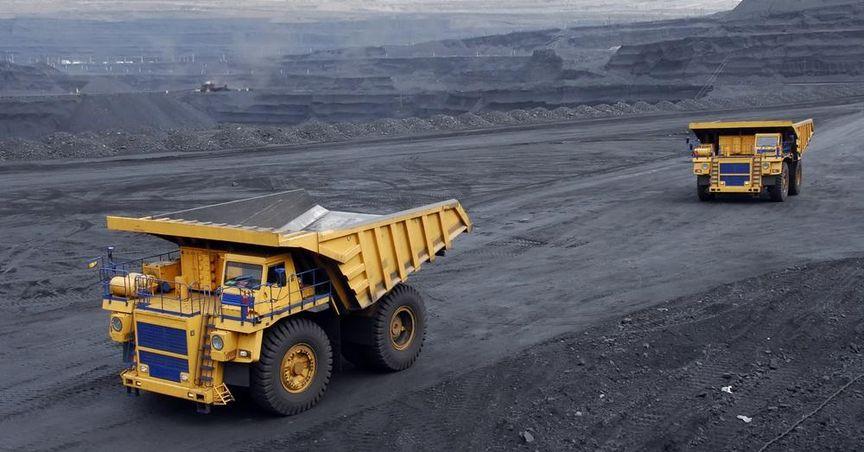



Highlights
WA resources sales remained strong across the financial year.
Mining employment stayed resilient alongside exploration and petroleum roles.
Gold, iron ore, LNG and alumina supported sector contribution.
WA delivered strong resources sales across the financial year, supported by resilient mining employment and major contributions from gold, iron ore, LNG and alumina. Industry investment also remained elevated, reinforcing activity levels.
Western Australia’s resources sector delivered a strong financial-year outcome, underpinned by steady employment and broad-based commodity contributions across gold, iron ore, liquefied natural gas and alumina. The update reinforces how deeply the sector continues to shape the state’s economic engine: strong sales volumes, solid on-site job numbers and sustained investment activity together point to a system still running at scale, even as commodity markets remain cyclical and sensitive to global demand, pricing and policy settings.
What does “strong resources sales” signal?
“Strong resources sales” generally reflects a combination of realised commodity pricing, production output and export demand. In practical terms, it provides a snapshot of how effectively the sector converted global conditions into state-level revenue outcomes over the relevant financial year.
Entity-rich definition: resources sales
Resources sales represent the value of mineral and energy commodities produced and sold over a period, influenced by production levels, commodity prices and customer demand.
How is employment tracking across the sector?
The update highlights on-site employment across mining, exploration and petroleum. Employment levels matter because they reflect:
-
operating activity and maintenance intensity
-
ongoing capital works and project pipelines
-
service sector demand and regional economic flow-through
Entity-rich definition: on-site full-time positions
On-site full-time positions are operational roles directly linked to mine and project sites, typically reflecting sustained activity levels rather than short-duration peaks.
What the mix can suggest
-
Mining employment supports production continuity
-
Exploration roles signal future pipeline work and discovery appetite
-
Petroleum employment contributes to broader energy output and exports
Which commodities supported the outcome?
The year’s performance is described as being supported by several major commodity streams.
How did gold contribute?
Gold is presented as a key contributor, supported by strong pricing conditions and output. Gold’s role in WA often becomes more prominent when price conditions strengthen, because it can lift revenue even with modest production changes.
Entity-rich definition: gold sector sales
Gold sector sales are the realised value of gold produced and sold, typically shaped by global pricing, production volumes and operational reliability.
What about iron ore?
Iron ore remains WA’s heavyweight commodity, with sector performance framed around high prices and strong output levels. Iron ore’s influence is structural: it often shapes the broader state-wide headline outcome because it dominates export volumes and contract-linked trade flows.
Entity-rich definition: iron ore output
Iron ore output is the quantity of iron ore mined and processed for sale, reflecting production capacity, operating conditions and supply chain performance.
Where does LNG fit?
Liquefied natural gas is highlighted as another major contributor, reinforcing WA’s role as a globally relevant energy exporter. LNG performance typically depends on contract demand, plant reliability and shipping continuity.
Entity-rich definition: liquefied natural gas
Liquefied natural gas is natural gas cooled into liquid form for storage and transport, enabling long-distance export and supporting industrial and power generation demand.
Why is alumina notable here?
Alumina performance is described as supported by higher prices offsetting lower production. This dynamic is common in commodities where pricing can compensate for volume variability, particularly when supply tightens or demand holds steady.
Entity-rich definition: alumina
Alumina is a refined product derived from bauxite and used as the key feedstock for aluminium smelting.
What does steady investment indicate?
The update notes sustained mining and petroleum investment levels across the financial year. Consistent investment can point to:
-
ongoing sustaining capital to keep assets efficient
-
targeted upgrades and expansions
-
commitment to long-cycle project development
Entity-rich definition: industry investment
Industry investment is capital deployed into projects and operations, including new developments, expansions, equipment upgrades and sustaining works needed to maintain output.
Why does this matter for the broader WA economy?
A strong resources year is rarely just a headline number. It typically influences:
-
regional employment and contracting activity
-
infrastructure demand and supply chain utilisation
-
state revenues and broader economic confidence
-
service ecosystems linked to mining and energy activity
The key takeaway is that WA’s commodity base remains diversified enough that multiple sectors can contribute meaningfully, helping cushion fluctuations when one commodity stream softens.
What should readers watch next?
Forward-looking attention usually centres on whether pricing and output conditions remain supportive, and whether investment and exploration activity sustain momentum.
Practical watchpoints
-
commodity pricing direction and contract dynamics
-
operational reliability and project ramp-ups
-
exploration activity as a signal of future supply pipeline
-
investment continuation across mining and energy assets
