
 AUS
AUS
 NZ
NZ
 UK
UK
 CA
CA
 USA
USA
 IND
IND






Highlights
- Aerospace and defense activity shapes RTX performance amid mixed market reaction
- Operational developments highlight demand across commercial and military segments
- Broader sentiment reflects both momentum drivers and emerging constraints
RTX movement in the s&p 500 index reflects mixed sentiment, ongoing aerospace demand, defense activity, and institutional participation shaping market behavior across industrial sectors.
The aerospace and defense sector remains closely tied to broader benchmarks such as the s&p 500, with companies like RTX Corporation positioned at the intersection of commercial aviation and defense systems. Market activity surrounding RTX Corporation has drawn attention following a notable decline during a recent trading session, even as underlying business developments pointed to continued activity across key divisions.
Sector Position and Business Scope
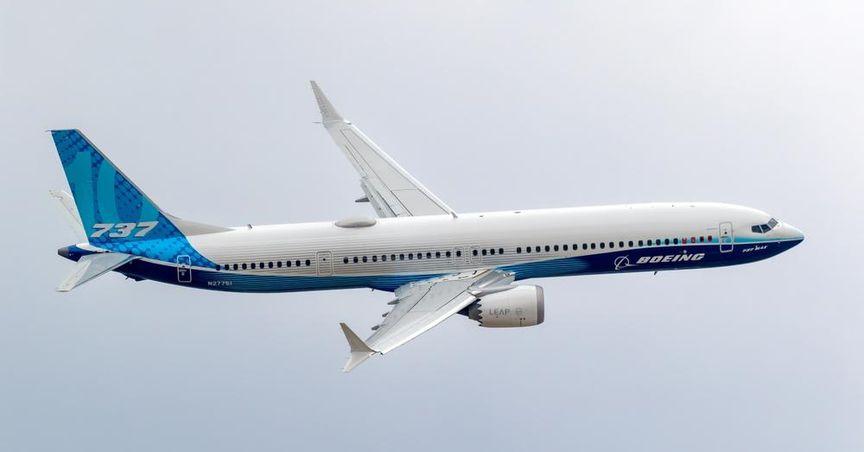
RTX Corporation (NYSE:RTX) operates across multiple aerospace and defense segments, encompassing aircraft propulsion systems, avionics, and military technologies. The company emerged from the combination of legacy aerospace and defense entities, creating a diversified structure that spans both commercial and government-linked programs.
Operations include engine manufacturing through Pratt and Whitney, alongside systems integration and aerospace components via Collins Aerospace. Defense-related offerings cover radar systems, missile platforms, and electronic warfare technologies. This breadth enables exposure to both civil aviation cycles and defense procurement activity.
Demand across these areas has remained active, supported by airline fleet maintenance requirements and ongoing modernization programs within defense sectors. Long-term contracts and service agreements contribute to operational continuity, particularly in maintenance, repair, and overhaul activities.
Recent Market Activity and Reaction
Shares of RTX experienced a downward movement during intraday trading, reversing earlier gains recorded after the release of quarterly results. The decline occurred despite reported performance exceeding general expectations in certain operational areas.
Market behavior reflected a mix of reactions, where initial enthusiasm following results gave way to broader reassessment. Trading volume increased compared to typical session levels, indicating heightened participation during the shift in direction.
Factors influencing sentiment included interpretation of forward projections, as well as external elements such as geopolitical developments and trade-related considerations. These elements contributed to a more cautious stance within the broader market environment.
Operational Developments Across Divisions
Recent updates highlighted continued activity across RTX (NYSE:RTX) business units. Pratt and Whitney advanced expansion efforts in maintenance and repair infrastructure, reinforcing support for engine programs used in commercial aviation. Additional facilities in international locations further extend manufacturing and service capabilities.
Defense-related operations also reported ongoing contract execution, including deliveries tied to electronic warfare systems and naval platforms. Such developments underscore continued engagement with government-linked programs and international defense collaborations.
Backlog levels across segments remain supported by long-cycle contracts, particularly in defense systems that involve extended production timelines. Commercial aerospace activity also benefits from sustained airline demand for engine servicing and replacement components.
Within the context of the s&p 500 index, companies engaged in aerospace and defense often reflect both industrial performance trends and geopolitical dynamics, placing RTX within a segment influenced by multiple external drivers.
Institutional Activity and Ownership Trends
Institutional participation continues to represent a significant portion of RTX share ownership. Large asset managers and financial institutions maintain positions across reporting periods, with adjustments reflecting portfolio rebalancing and sector allocation strategies.
Changes in holdings across reporting cycles indicate gradual shifts rather than abrupt repositioning. Such activity aligns with broader patterns observed in large-cap industrial and defense-oriented companies, where institutional presence remains a defining feature.
Internal transactions involving company executives have also been disclosed, reflecting adjustments in personal shareholdings. These disclosures form part of standard regulatory reporting requirements and contribute to overall transparency in market activity.
Broader Industry Context
The aerospace and defense sector operates within a complex framework shaped by commercial travel demand, government procurement cycles, and technological advancements. Engine manufacturing and aircraft systems rely on long development timelines, while defense programs often extend across multiple phases of production and deployment.
Global supply chain dynamics continue to influence production schedules and delivery timelines. Manufacturing expansion initiatives aim to address capacity requirements while maintaining operational continuity.
Geopolitical developments remain a factor in defense-related activity, affecting contract flows and international collaboration. Export regulations and trade considerations also play a role in shaping market dynamics within the sector.
RTX (NYSE:RTX), as part of this broader landscape, reflects both industrial output trends and defense-related developments. The company’s position within the s and p 500 index underscores its role as a representative of aerospace and defense activity within major market benchmarks.
