
 AUS
AUS
 NZ
NZ
 UK
UK
 CA
CA
 USA
USA
 IND
IND






Highlights
- RTX Corporation (NYSE:RTX) marks a new annual peak in performance.
- Aerospace and defense activities align with broader industrial resilience.
- Movements correspond with patterns across the Russell 1000 Index.
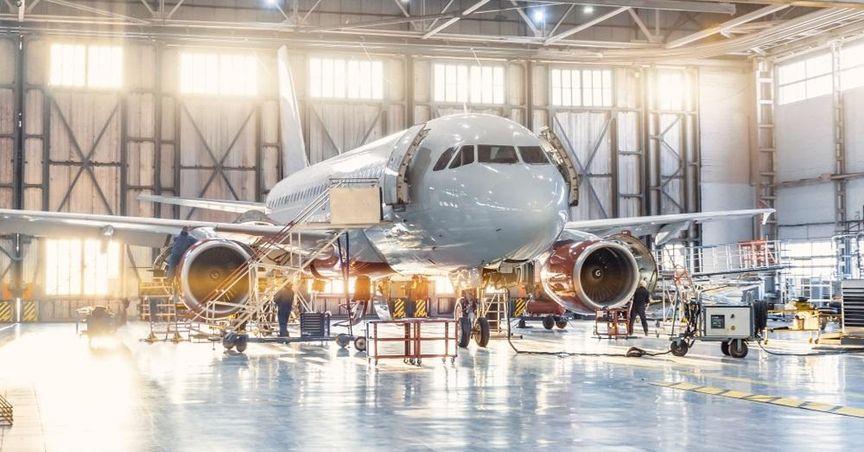
RTX Corporation (NYSE:RTX) stands as one of the leading aerospace and defense organizations globally, providing advanced systems and technological solutions to commercial, government, and military clients. The company operates through three key divisions: Collins Aerospace, Pratt & Whitney, and Raytheon. These divisions collectively support critical functions such as aircraft systems, propulsion technology, and defense communications. RTX continues to shape advancements in engineering and aeronautics through research and product integration. Its diversified structure across both defense and civil aviation enables consistent performance within global markets. This industrial strength and technological adaptability reflect broader stability among large-cap manufacturers represented in the Russell 1000 Index, where innovation and operational precision define long-term market presence.
How Has RTX Strengthened Its Operational Capabilities?
RTX’s operational framework focuses on integrated solutions that combine hardware engineering with advanced software. Collins Aerospace supplies key components for aircraft avionics, interiors, and mission systems, while Pratt & Whitney develops propulsion engines known for efficiency and performance. Raytheon contributes cutting-edge defense systems, radar, and command solutions that support national and international security networks. Together, these divisions contribute to a robust portfolio that spans both civilian and defense industries. The combination of technology, engineering excellence, and sustainable product evolution positions RTX as a cornerstone of modern aerospace. The company’s structure echoes the diversified innovation seen across corporations within the S&P 500 today, reflecting the alignment of traditional engineering expertise with evolving technological capabilities.
What Role Does RTX Play in Global Defense?
RTX plays a vital role in supporting defense operations worldwide. Through Raytheon and Collins Aerospace, it develops and delivers systems that ensure operational readiness for air, land, and maritime defense applications. These include integrated missile systems, surveillance solutions, radar technologies, and electronic warfare platforms. RTX’s defense portfolio supports both domestic and allied programs, emphasizing reliability and mission assurance. The company’s extensive experience in defense technology places it at the forefront of global security innovation. Its involvement in modernization projects and strategic defense contracts highlights its consistent relevance in an increasingly technology-driven defense sector, paralleling the performance of established corporations within the S&P 500 Index that contribute to the industrial backbone of global defense.
How Is RTX Expanding in Commercial Aviation?
Commercial aviation continues to represent a core component of RTX’s business structure. The company’s Pratt & Whitney division provides advanced engine systems that power major aircraft fleets across the globe. These systems focus on optimizing energy efficiency and performance while meeting regulatory standards for sustainability. Collins Aerospace complements this by supplying avionics, interiors, and connectivity solutions that enhance aircraft operations and passenger experience. The company’s close collaboration with global aircraft manufacturers ensures alignment with the evolving demands of civil aviation. As air travel infrastructure continues to expand internationally, RTX remains integral to its technological foundation. This strategic presence parallels trends observed among leading manufacturers within the S&P 500, where engineering-driven companies continue to demonstrate global integration and resilience.
How Does RTX Incorporate Technological Advancement?
Technological advancement forms the foundation of RTX’s long-term strategy. The company continues to enhance its research and development programs across digital systems, propulsion, and materials science. Its innovation in data integration, predictive maintenance, and automation allows improved operational precision in both defense and aviation sectors. RTX’s focus on advanced engineering ensures its systems meet high standards for reliability and safety. Additionally, its ongoing digital transformation supports supply chain efficiency and product life-cycle management. The company’s dedication to innovation mirrors the evolution of technology-focused enterprises represented across the S&P 500 chart, where industrial automation and engineering excellence continue to define market competitiveness.
What Distinguishes RTX in Aerospace Manufacturing?
RTX’s distinction lies in its engineering depth, global partnerships, and multi-sector approach. The company’s combination of product manufacturing and advanced service capabilities allows it to maintain a steady position in the aerospace industry. Its presence spans civil aviation, defense electronics, and space operations, ensuring diversification across markets. RTX’s partnerships with major aerospace organizations, government bodies, and research institutions reinforce its position as a key collaborator in global aeronautical development. This cross-sector integration allows the company to align its innovations with emerging technologies while maintaining focus on reliability and performance. The structure and resilience of RTX’s operations resonate with the consistent engineering leadership seen among major participants within the S&P 500 index, underscoring stability in large-scale industrial operations.
