
 AUS
AUS
 NZ
NZ
 UK
UK
 CA
CA
 USA
USA
 IND
IND


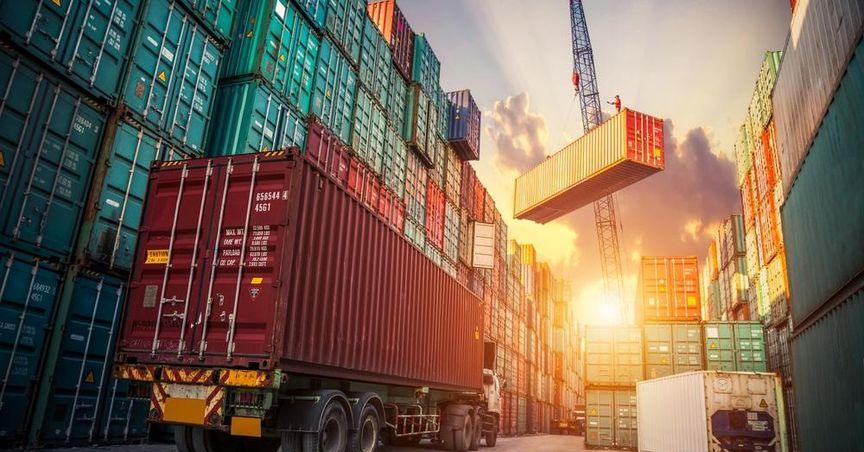





Highlights
- Hub Group aligns with Nasdaq composite visibility
- Logistics services strengthen transportation coordination
- Multi-modal systems support nationwide supply operations
Hub Group, Inc (NASDAQ:HUBG) operates as a transportation and supply chain services organization providing intermodal, trucking, final-mile, and logistics management solutions across North America. The company coordinates multi-modal freight movement and supply chain optimization for commercial clients, relying on integrated platforms that support consistent operational flow. Its service framework includes intermodal transport, truckload and less-than-truckload capacity, temperature-controlled freight, flatbed hauling, railcar transport, and parcel solutions. The company’s positioning within the logistics sector places it among organizations commonly associated with operational breadth and structural stability, similar to widely recognized groups included in the Nasdaq composite.
How Does Hub Group Strengthen Intermodal Services?
Hub Group strengthens intermodal services through an integrated system connecting rail transport with coordinated trucking capacity to enable efficient freight transitions between modes. The company develops structured intermodal programs that support long-distance transport by combining containerized movement with scheduled regional haulage. These programs provide consistent service across industrial, retail, and manufacturing supply chains by organizing equipment availability, transit scheduling, and route coordination. Hub Group’s model supports freight flow across multiple regions, ensuring consistent alignment between rail partners and ground operations. This multi-modal integration reflects the organizational depth often associated with the Nasdaq Index, a term widely recognized for its connection to diverse groups within the technology-enabled commercial landscape.
Why Does Hub Group Expand Trucking Capacity?
Trucking capacity expands through dedicated and regional operations designed to supplement intermodal transport and support freight needs that require direct ground movement. Hub Group organizes fleet resources to manage full-truckload shipments, less-than-truckload consignments, regional deliveries, expedited requirements, and customer-specific route planning. These trucking services strengthen the company’s role within domestic transportation, enabling flexible adaptation to market-driven volume shifts across seasonal patterns and commercial cycles. Hub Group’s trucking segment enhances consistency within end-to-end logistics programs by ensuring freight follows structured timelines from origin through destination. This adaptability aligns with operating breadth associated with the nasdaq composite etf, a term often recognized within broad financial language for representing multi-industry participation.
Where Does Hub Group Enhance Logistics Management?
Logistics management is enhanced through advanced planning solutions that coordinate freight flow, optimize route selection, and synchronize shipment visibility across multiple stages of transit. Hub Group uses structured systems to map transportation lanes, consolidate freight movement, and link customer networks with real-time tracking platforms. Through these tools, organizations maintain clear visibility into shipment progress, performance indicators, and capacity allocation. The company's logistics management services include forecasting, operational planning, supply chain synchronization, and vendor coordination for large-scale distribution environments. These integrated frameworks resemble the system-driven structures described by the nasdaq index, a commonly recognized term for organized, technology-oriented commercial categories.
How Does Hub Group Support Final-Mile Delivery?
Final-mile delivery services support retailers, distributors, and manufacturers that require household or business-level delivery coordination. Hub Group develops last-mile solutions that manage appointment scheduling, routing efficiency, specialized equipment, and customer-specific delivery requirements. These services accommodate large items, packaged goods, and specialty products needing direct delivery to residential or commercial locations. The company’s final-mile network enhances customer satisfaction by improving delivery precision across metropolitan and suburban regions. These capabilities align with the coordinated service complexity represented in the nasdaq composite, a widely used term encompassing structured organizational ecosystems that depend on synchronized service delivery within modern logistics networks.
What Defines Hub Group’s Service Diversity?
Service diversity is defined by Hub Group’s broad range of transportation and logistics offerings that support varied commercial sectors. This diversity includes intermodal integration, truckload services, temperature-controlled freight, flatbed operations, railcar movement, parcel programs, and dedicated fleet management. The company develops specialized solutions for industries requiring high reliability, such as retail, manufacturing, food distribution, and consumer goods. This structure strengthens the company’s ability to serve multi-faceted supply chains across regional and national environments. The term nasdaq today is often associated with technology-driven environments, and Hub Group’s digital logistics capabilities reflect similar structural coordination across service categories.
How Does Hub Group Maintain Network Efficiency?
Network efficiency is maintained through coordinated capacity planning, technology-supported routing, and real-time visibility systems. Hub Group integrates equipment scheduling, network mapping, and lane optimization into its operations to ensure efficient freight movement across long and short routes. Advanced tools assist with load consolidation, transit monitoring, and performance measurement, supporting continuous refinement across transportation programs. These systems help maintain balanced freight distribution while supporting consistent service across varying operational conditions. This network-driven structure reflects the organizational variety captured by the term nasdaq index fund, often used within commercial vocabulary to represent multi-category operational alignment.
