
 AUS
AUS
 NZ
NZ
 UK
UK
 CA
CA
 USA
USA
 IND
IND







Highlights
- Strong results met cautious market reaction
- Margin pressure shaped the latest stock movement
- Aerospace demand remains central to business momentum
Aerospace market activity remains shaped by demand strength, cost pressure, backlog visibility, defense work, and commercial aviation trends across a complex global operating environment.
GE Aerospace (NYSE:GE), a major aerospace and defense company focused on aircraft engines, propulsion systems, and aftermarket services, drew market attention after its share movement reflected a mix of strong quarterly performance and margin concerns. The company’s position within the nyse composite adds broader relevance as market watchers track how large industrial names respond to earnings strength, operational pressures, and global aviation demand.
Strong Results Meet Cautious Sentiment
GE Aerospace delivered a quarter that showed business strength across commercial aviation and defense-related operations. Orders remained strong, backlog reached a notable level, and demand for aircraft engine systems continued to support the company’s operating profile.
Despite this strength, the stock moved lower as market attention shifted toward guidance commentary and margin-related pressure. This reaction shows that strong quarterly numbers alone may not always define market direction when broader cost concerns enter the conversation.
The company’s latest update reflected a business with solid demand visibility, yet also one facing external pressures tied to geopolitical conditions, energy costs, and supply chain complexity.
Core Business Behind the Movement
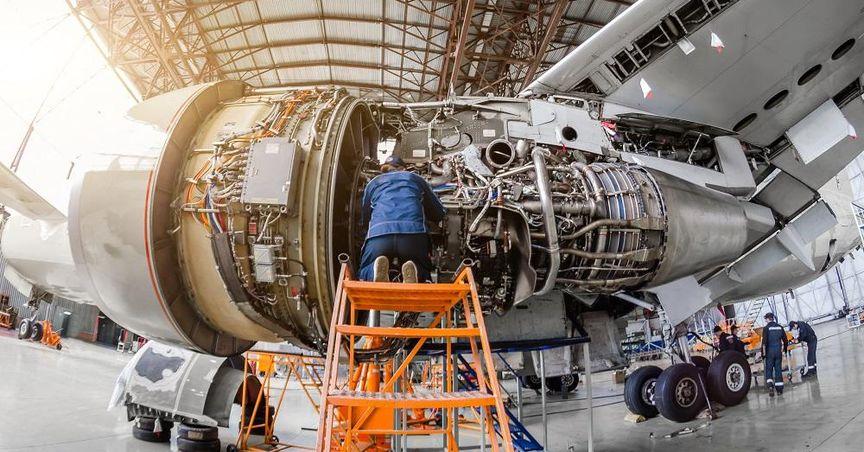
GE Aerospace designs, manufactures, and services aircraft engines and propulsion systems for commercial and defense customers. Its operations support airlines, aircraft manufacturers, business aviation operators, and military platforms.
The company also plays a major role in aftermarket services, which include engine maintenance, parts, repair support, and long-cycle service agreements. This service-driven model provides recurring business activity as aircraft fleets require ongoing maintenance over time.
Its category is Aerospace and Defense, supported by demand from aviation recovery, fleet modernization, and defense platform requirements.
Order Growth and Backlog Strength
One of the strongest elements in the update was continued order momentum. Demand for aircraft engines and related services remained active, supported by airlines seeking fleet expansion, aircraft upgrades, and long-term service arrangements.
A large backlog adds visibility into future production and service activity. For aerospace manufacturers, backlog often reflects customer commitments that can support planning across manufacturing, workforce needs, and supply chain coordination.
This backlog strength suggests that GE Aerospace remains tied to long-cycle aviation trends, where customer demand can extend across several years due to the complex nature of aircraft production and engine support.
Margin Pressure Shapes Market Reaction
The stock movement was not mainly about weak demand. Instead, market focus shifted toward margin pressure. Management commentary highlighted cost-related challenges linked to geopolitical tension and higher energy-related expenses.
For aerospace companies, margins can be influenced by raw materials, logistics, labor costs, production timing, and aftermarket service mix. Even when demand remains strong, rising expenses can affect operating efficiency.
This creates a more complex story: GE Aerospace continues to show strong commercial and defense demand, but the market reaction reflected caution around how cost pressures may influence future profitability.
Aviation Demand Remains Supportive
Commercial aviation remains a key business driver for GE Aerospace. Airlines continue to focus on fleet modernization, fuel efficiency, and maintenance planning, creating demand for advanced engine platforms and long-term service support.
Aircraft engines are highly specialized products with long operating lives. Once installed, they often generate service demand through maintenance, inspections, parts, and repair work. This gives aerospace engine providers a business model that extends beyond initial product delivery.
GE Aerospace benefits from this structure as its engine portfolio supports both new aircraft production and ongoing fleet operations.
Defense Operations Add Business Depth
Defense-related operations also contribute to GE Aerospace’s broader business profile. Military aircraft programs require advanced propulsion systems, technical support, and long-term maintenance capabilities.
Defense demand can provide a stabilizing layer for aerospace companies, especially when commercial aviation cycles shift. GE Aerospace’s exposure to both commercial and defense customers allows it to operate across multiple demand channels.
This balance supports a more diversified aerospace model, where different end markets contribute to the company’s operating base.
Dividend Update Adds Capital Focus
GE Aerospace also drew attention after raising its dividend. Dividend activity often reflects capital planning and confidence in cash flow management.
For large industrial companies, capital allocation remains a key part of business strategy. This includes funding operations, supporting product development, managing service networks, and returning capital through structured distributions.
The dividend update added another layer to the company’s recent market discussion, though the main stock movement remained tied to margin commentary and guidance concerns.
Institutional Activity Adds Market Context
Large institutions remain active in GE Aerospace shares, reflecting continued attention toward the company’s aerospace and defense positioning. Portfolio adjustments around major industrial sector companies can be influenced by earnings updates, valuation considerations, sector rotation, and macroeconomic signals.
Recent institutional movement added to market discussion, especially as the stock reacted to management commentary. However, such activity is part of normal market behavior around large-cap companies after major corporate updates.
The broader focus remains on whether demand strength can continue balancing cost pressures and execution challenges.
Sector Position and Business Resilience
GE Aerospace operates in a sector where product cycles are long, technical requirements are high, and customer relationships often extend over many years. This creates a business environment that differs from faster-moving consumer or software sectors.
The company’s resilience is tied to its engineering capabilities, service infrastructure, installed engine base, and relationships with airlines and defense customers. These factors help support its position in the aerospace and defense category.
At the same time, execution remains important because aerospace production involves complex supply chains and strict quality standards.
Global Risks and Cost Pressures
Global conditions can influence aerospace companies in several ways. Energy costs affect airline economics, geopolitical tension can influence defense demand and supply chains, and transportation costs can affect production timelines.
GE Aerospace’s latest update placed attention on these pressures. While demand remained strong, market participants appeared focused on how external factors may affect future margins.
This explains why the stock moved lower despite positive business indicators. The reaction reflected a more cautious reading of forward operating conditions rather than a rejection of the company’s core demand profile.
Market Focus After the Update
Following the latest movement, market attention is likely centered on several themes: backlog conversion, margin stability, commercial aviation demand, defense program activity, and aftermarket service growth.
The company’s ability to manage production costs and maintain service efficiency remains central to its market narrative. Strong order flow provides a foundation, but execution determines how that demand translates into business performance.
GE Aerospace (NYSE:GE), remains a closely watched aerospace and defense name because of its role in commercial engines, military propulsion, and global aviation infrastructure.
