
 AUS
AUS
 NZ
NZ
 UK
UK
 CA
CA
 USA
USA
 IND
IND


_07_12_2023_11_05_52_936360.jpg)


Highlights
- Integrated energy operations span upstream through downstream activities
- Global infrastructure supports hydrocarbons and chemical production systems
- Capital structure aligns with long-cycle industrial operations
Exxon Mobil Corporation (NYSE:XOM) operates as a globally integrated energy enterprise with activities covering exploration, production, refining, logistics, and chemical manufacturing. The company functions within broad equity environments often associated with the s&p 500 today, reflecting its scale, operational depth, and long-standing presence in public markets. Exxon Mobil maintains a structured operational model that links resource development with processing and distribution capabilities across multiple regions. Business activities emphasize coordination across energy value chains while supporting industrial customers and consumer-facing markets. Through diversified asset deployment and centralized governance, Exxon Mobil aligns physical infrastructure with market access and regulatory requirements, maintaining continuity across varying energy segments.
How Upstream Exploration Activities Operate?
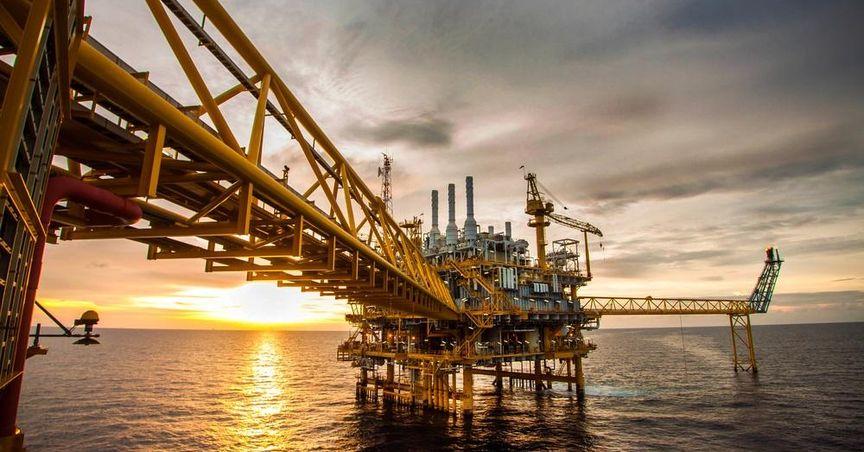
Exxon Mobil’s upstream operations focus on the discovery and extraction of crude oil and natural gas resources across onshore and offshore locations. These activities involve geological evaluation, drilling programs, and reservoir management systems designed to support consistent resource development. Engineering frameworks prioritize safety, efficiency, and long-term asset performance. Within capital market contexts linked to the s&p 500 etf, upstream producers represent foundational contributors to energy supply infrastructure. Exxon Mobil integrates exploration planning with production scheduling to align resource output with transportation and processing capabilities, ensuring operational coherence across geographic regions.
How Production Assets Support Energy Supply?
Production assets at Exxon Mobil convert subsurface resources into usable energy streams through coordinated extraction systems. Facilities operate under standardized protocols to maintain output reliability and environmental compliance. Production planning accounts for reservoir characteristics, equipment maintenance, and logistics coordination. In equity discussions frequently connected to the s&p 500 fund, large-scale producers demonstrate operational resilience through diversified asset portfolios. Exxon Mobil’s production systems are designed to balance operational continuity with adaptive field management, supporting stable supply across varying market conditions.
How Midstream Logistics Enable Distribution?
Midstream operations manage the transportation and storage of hydrocarbons between production sites and processing facilities. Exxon Mobil utilizes pipelines, terminals, and shipping assets to support efficient material movement. Coordination ensures feedstock availability for refineries and chemical plants while maintaining inventory balance. In daily market environments associated with s&p 500 index, logistics infrastructure underpins the physical delivery of energy products. Exxon Mobil’s midstream network integrates regional assets with global shipping routes, enabling consistent flow across international supply chains.
How Refining Systems Process Resources?
Refining operations transform crude oil into fuels, lubricants, and intermediate products through complex processing units. Exxon Mobil refineries employ advanced conversion technologies to optimize product yields and meet regulatory specifications. Facilities operate under continuous monitoring systems to ensure quality and operational stability. Within broader market visuals such as the s&p 500 chart, refining businesses reflect capital-intensive industrial activity tied to consumption patterns. Exxon Mobil coordinates refinery output with distribution networks to support wholesale and retail fuel markets.
How Chemical Manufacturing Expands Portfolio?
Exxon Mobil’s chemical segment produces a wide range of petrochemical products used in packaging, construction, automotive, and consumer goods applications. Manufacturing processes integrate feedstocks from refining operations to create polymers and specialty materials. Facilities emphasize efficiency, safety, and product consistency. In diversified equity environments that include the s&p 500 index fund, chemical manufacturing adds depth beyond traditional fuel markets. Exxon Mobil’s chemical operations support industrial customers while extending the company’s presence across non-fuel value chains.
How Financial Structure Supports Operations?
Exxon Mobil maintains a capital structure designed to support long-cycle industrial investments and asset-intensive operations. Financial management emphasizes liquidity, disciplined allocation, and balance between operating segments. Internal funding supports maintenance, upgrades, and compliance activities across facilities. In derivative-linked market discussions involving s and p futures, large industrial firms often demonstrate stability through conservative financial frameworks. Exxon Mobil aligns financial planning with operational requirements to maintain continuity across economic cycles.
How Global Governance Coordinates Activities?
Corporate governance at Exxon Mobil oversees operational standards, compliance systems, and strategic alignment across regions. Decision-making frameworks integrate technical expertise with regulatory oversight and risk management protocols. Governance structures ensure consistency in safety, environmental practices, and reporting. In trading contexts referenced through s&p futures, governance transparency supports market confidence in large-cap issuers. Exxon Mobil applies centralized policies while allowing regional operational flexibility, enabling effective coordination across global assets.
How Market Presence Reflects Scale?
Exxon Mobil’s presence across energy and chemical markets reflects its extensive asset base and integrated operating model. The company engages with industrial customers, distributors, and end markets through coordinated supply systems. Market participation spans fuels, lubricants, petrochemicals, and specialty products. In broad equity conversations that include s&p 500, Exxon Mobil represents a mature industrial enterprise with diversified revenue streams. Operational scale supports resilience and continuity across shifting demand environments while maintaining alignment with NYSE market structures.
