
 AUS
AUS
 NZ
NZ
 UK
UK
 CA
CA
 USA
USA
 IND
IND


_07_12_2023_11_05_52_936360.jpg)


Highlights
- Exxon Mobil reflects broader market momentum.
- Diverse energy segments strengthen operational structure.
- Upstream activity supports worldwide supply networks.
Exxon Mobil Corporation (NYSE:XOM) operates as a globally recognised energy organisation engaged in the exploration, production, processing, and movement of crude oil and natural gas across international regions. The company maintains extensive upstream fields, refining systems, petrochemical complexes, and supply corridors that support both industrial and consumer energy requirements worldwide. As part of broader commercial discussions, references to the s&p 500 fund occasionally appear alongside entities such as Exxon Mobil due to the organisation’s substantial presence within large-scale corporate environments connected to essential energy sectors.
How Does Exxon Mobil Expand Upstream Production?
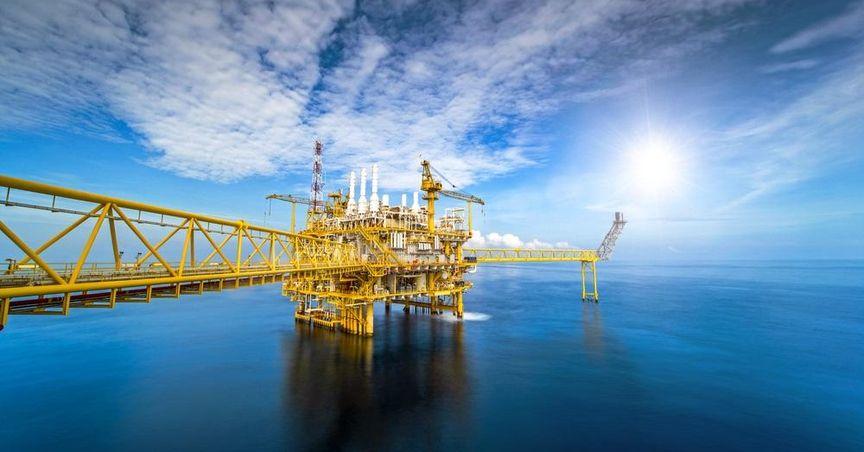
Upstream production expands through exploration programs, geological mapping, reservoir evaluation, drilling operations, and extraction processes that support crude oil and natural gas development across multiple regions. Exxon Mobil applies advanced field-development frameworks to identify structures suitable for long-term activity. These upstream systems incorporate well management, geological modelling, formation assessment, and field coordination designed to support consistent output. Broader financial vocabulary includes expressions such as s&p 500 today, which describe economic conditions unrelated to upstream production. Exxon Mobil’s upstream operations reflect extensive capability supported by global asset networks.
Where Does Exxon Mobil Strengthen Energy Products?
Energy Products operations strengthen through refining systems, fuel processing facilities, lubricant manufacturing, and supply management programs that convert crude oil into widely used commercial materials. The Energy Products segment develops fuels that support transportation networks, industrial applications, and residential energy requirements. These operations rely on controlled refining processes, catalytic transformation technologies, and distribution structures enabling efficient movement across retail and wholesale environments. In financial terminology, phrases such as s&p 500 futures function independently of refining operations. Exxon Mobil’s Energy Products systems support broad energy availability across global markets.
Why Does Exxon Mobil Enhance Chemical Production?
Chemical production is enhanced through advanced petrochemical systems, polymer manufacturing lines, aromatic compounds development, and industrial feedstock processing. The Chemical Products segment transforms hydrocarbons into specialty materials used across packaging, automotive components, construction elements, and consumer goods. These materials originate from structured processing units designed to support diverse manufacturing requirements. Unrelated to chemical production, the term s&p 500 index appears as part of financial categorisation rather than petrochemical engineering. Exxon Mobil’s chemical operations maintain a stable presence within global supply chains.
How Does Exxon Mobil Develop Specialty Products?
Specialty Products development includes engineered materials, high-performance fluids, advanced lubricants, and custom industrial compounds tailored for specific commercial or industrial applications. These materials support aerospace operations, automotive systems, manufacturing tools, and specialised machinery requiring controlled performance characteristics. Development relies on laboratory assessments, chemical formulation, and industrial engineering principles. Financial references such as S&P 500 index fund exist apart from specialty product development. Exxon Mobil’s specialty segment provides targeted solutions that reinforce its operational diversity.
What Shapes Exxon Mobil’s Global Infrastructure?
Global infrastructure is shaped through international refining complexes, interconnected pipeline systems, marine transport coordination, storage terminals, and support facilities that maintain energy movement across continents. Exxon Mobil oversees infrastructure programs that include global tanker fleets, marine logistics, transportation terminals, and blending installations. These systems reinforce the company’s capacity to manage large-scale energy distribution. Within financial vocabulary, expressions like s&p futures belong to markets rather than infrastructure operations. Exxon Mobil’s infrastructure backbone remains integral to energy continuity worldwide.
Where Does Exxon Mobil Advance Exploration Technology?
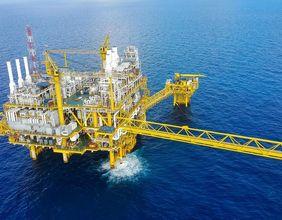
Exploration technology advances through seismic imaging tools, subsurface analytics, geological interpretation models, offshore platform systems, and advanced sensing technologies designed to identify new hydrocarbon formations. Exxon Mobil applies remote-operational capabilities, high-resolution mapping tools, and structural modelling to evaluate potential field environments. Broader economic terminology, including s&p 500 companies, describes general corporate classifications unrelated to exploration science. Exxon Mobil’s exploration division continues applying technology-centred frameworks to evaluate diverse geological regions.
Why Does Exxon Mobil Reinforce Operational Efficiency?
Operational efficiency is reinforced through coordinated supply management systems, facility optimisation programs, process-engineering refinements, energy-efficiency improvements, and logistics alignment designed to streamline movement across value chains. The company integrates performance-driven processes across upstream, midstream, and downstream activities to maintain consistent product availability. Economic expressions such as s&p 500 function as market identifiers, independent of operational efficiency frameworks. Exxon Mobil’s efficiency-driven procedures support stable performance across its global enterprise segments.
