
 AUS
AUS
 NZ
NZ
 UK
UK
 CA
CA
 USA
USA
 IND
IND


_07_12_2023_11_05_52_936360.jpg)


Highlights
- Extensive overview of the energy sector context surrounding Exxon Mobil
- Detailed exploration of operational activities across multiple segments
- Objective review of structural characteristics shaped by NYSE Composite dynamics
A comprehensive sector-focused narrative examining Exxon Mobil, its operational breadth, and its placement within the NYSE Composite index, framed through an objective and informational lens.
Exxon Mobil (NYSE:XOM) operates within the expansive energy sector, a space defined by continuous shifts in global demand cycles, technological transitions, and multi-segment production frameworks that influence the broader structure of the NYSE Composite Index. This environment encompasses complex upstream, midstream, and downstream processes that contribute to evolving patterns across domestic and international markets. The positioning of Exxon Mobil within this framework reflects a longstanding connection to large-scale resource development, extensive refining capacity, and multifaceted distribution channels, all functioning within a sector shaped by ongoing industrial and geopolitical forces. The presence of Exxon Mobil in the NYSE Composite today underscores the company’s alignment with the diverse set of entities that form this index, which includes enterprises across numerous industries contributing to market depth and sectoral representation. The atmosphere surrounding this index reflects ongoing transformations across various fields, further highlighting the relevance of companies linked with the NYSE Composite.
Sector Foundations Shaping the Company’s Role
The energy sector remains one of the most complex and expansive global industries, extending from exploratory activities to intricate refining systems and specialized chemical outputs. Enterprises within this sector frequently manage extensive geographic operations, broad logistical routes, and diversified product categories that serve both commercial and industrial environments. Exxon Mobil’s long-standing presence within this structure reflects a blend of extraction, refinement, and chemical manufacturing activities, operating across varied environments and contributing to a wide array of end-use markets.
Within the upstream segment, Exxon Mobil (NYSE:XOM) maintains activities centered on discovering and developing natural resource deposits. Such activities involve identifying prospective areas, assessing geological viability, and managing the extraction processes that support broader energy output. These components form the foundational stage of the company’s operational framework and frequently set the pace for broader sector movements.
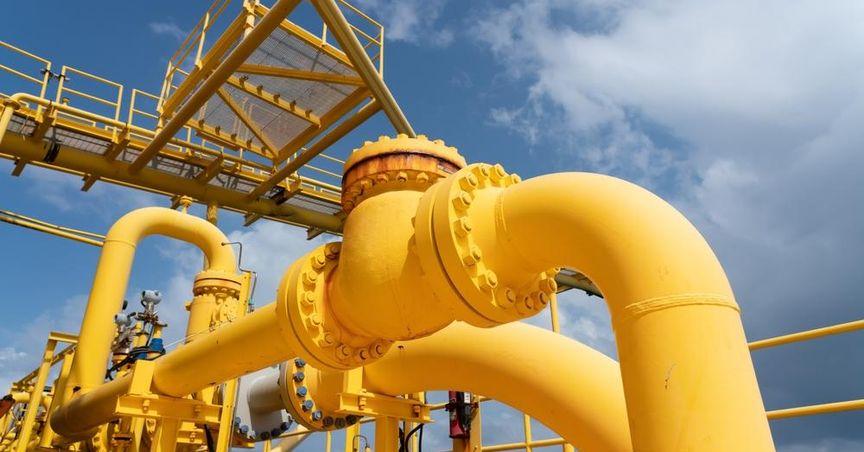
The downstream segment encompasses an extensive suite of refining and processing functions. Here, crude resources undergo conversion into refined products used across transportation, industrial operations, and household sectors. Integrated refining complexes serve as key components of this structure, functioning as points where raw materials are transformed into usable end products. Exxon Mobil’s (NYSE:XOM) role in downstream operations includes large-scale refining processes, blending systems, and distribution pathways that play a part in shaping supply consistency across multiple regions.
The chemical products segment forms another central aspect of the company’s operational identity. This segment includes a wide range of polymer, resin, and specialty chemical formulations that support manufacturing, automotive production, packaging, infrastructure development, and numerous consumer-oriented sectors. The integration of chemical activities within a broader energy portfolio creates structural diversity within the company’s operational model.
Dynamics of Global Energy Markets and the Company’s Position
Global energy markets are influenced by numerous factors spanning industrial demand variations, geopolitical shifts, regional supply cycles, and evolving consumption patterns driven by technological and societal change. Entities engaged in resource development and refining must navigate fluctuating supply conditions, emerging environmental considerations, and ongoing shifts toward diversified energy systems. Exxon Mobil (NYSE:XOM) functions within this multifaceted global landscape, where refined products, chemical outputs, and fuel supplies reflect the interconnected nature of modern economies.
Natural resource exploration frequently intersects with regional regulatory frameworks, environmental standards, and local infrastructure capabilities, all contributing to the complexity of the company’s operations. The expansion and maintenance of extraction sites require sustained logistical coordination, specialized engineering expertise, and adherence to regional requirements. The resulting outputs feed into refining networks that convert extracted resources into fuel and derivative products.
Refining operations hold a central role within global market dynamics. These facilities convert crude inputs into various refined outputs that support transportation, logistics networks, heavy industry, residential heating requirements, and numerous industrial systems. Refining performance often reflects broader market shifts, as variations in global consumption patterns influence utilization conditions across refining facilities. Exxon Mobil’s refining network functions within this landscape, linking upstream outputs with downstream distribution channels.
Chemical manufacturing also contributes to sector stability and diversification. Polymer materials, synthetic fuels, specialty additives, and industrial formulations serve numerous industries, making chemical operations a consistent component within energy conglomerates. Exxon Mobil’s chemical activities complement its refining and upstream work by expanding the complexity and breadth of product offerings.
Structural Characteristics and Broader Operational Framework
Exxon Mobil’s (NYSE:XOM) structural foundation encompasses an intricate network of extraction fields, offshore assets, refining complexes, chemical plants, and distribution lines that span extensive geographic boundaries. Such a network requires coordination across diverse organizational systems and operational divisions. Each segment functions within its own set of standards, regulatory expectations, and economic conditions, contributing to the broader operational identity of the company.
In upstream environments, operations entail geological studies, seismic analyses, drilling activities, and resource management protocols that dictate extraction levels and resource quality. These components form the earliest stage of the company’s value chain. Offshore platforms, land-based extraction fields, and integrated processing points contribute to the varied operational footprint of the organization.
The refining segment includes facilities capable of transforming crude feedstocks into fuels, lubricants, petrochemical building blocks, and other processed outputs. Operations within these complexes depend on precise control of thermal, catalytic, and mechanical processes to achieve targeted product specifications. These refined materials then move through distribution channels supporting industrial clients, commercial facilities, transportation networks, and other large-scale end-user environments.
Chemical operations include the production of polymers, elastomers, aromatics, and specialized chemical derivatives that enter multiple global supply chains. These materials support automotive manufacturing, construction, electronics, packaging, and various consumer goods sectors. Chemical facilities must maintain advanced production standards to support consistent output quality.
Industry Influences and Market Structure Affecting the Company
Energy enterprises frequently operate within an environment shaped by technological development, environmental considerations, and changing industrial demand cycles. Refining technologies continue evolving as new catalytic, thermal, and efficiency-enhancing innovations emerge. Chemical technologies also adapt to new manufacturing methods, updated environmental requirements, and changing product specifications.
Environmental standards represent another significant influence. Many regions enforce strict regulations governing emissions, extraction methods, production standards, and environmental impact assessments. Compliance with these standards forms a central component of major energy companies’ operating frameworks.
Global trade patterns also influence energy enterprises. Regional demand variations, shipping channel conditions, and transport infrastructure shape the movement of crude, refined products, and chemicals. This interconnected system affects long-term market behavior across energy-dependent regions.
Technological transitions within transportation, industry, and manufacturing also shape consumption patterns. Many regions pursue advanced energy technologies such as synthetic fuels, hybrid materials, and alternative chemical processes, contributing to ongoing evolution within the sector.
These intersecting forces create a dynamic operating environment for Exxon Mobil (NYSE:XOM), influencing extraction decisions, refining operations, chemical output strategies, and broader resource distribution patterns.
Sector Trends and Evolving Structural Conditions
Energy conditions continue to evolve, shaped by environmental considerations, policy frameworks, technological developments, and shifting industrial requirements. Many regions encourage increased energy efficiency, reduced emissions, and expanded alternative resource development, influencing long-term sector activity.
Refining operations may experience adjustments in response to shifts in transportation patterns, industrial production cycles, and chemical manufacturing demands. Chemical segments respond to new material requirements across construction, packaging, and advanced manufacturing fields.
Digital technologies also influence upstream, midstream, and downstream operations. Monitoring systems, automated processing tools, and advanced data platforms support improvements in safety, consistency, and operational efficiency. Companies with broad operational networks, such as Exxon Mobil (NYSE:XOM), adapt to these shifts to maintain functional integration across extraction, refining, and chemical systems.
Strategic Positioning Within the Index Landscape
Exxon Mobil’s (NYSE:XOM) placement within the NYSE Composite reflects its alignment with a wide array of domestic and international enterprises contributing to this index. The index includes companies across numerous sectors, representing a broad measure of market activity. The inclusion of Exxon Mobil within this structure highlights its standing among prominent energy enterprises that shape broader industrial conditions.
The presence of the company within this index also illustrates the multi-sector interconnectivity that characterizes the modern market environment. Energy enterprises contribute significantly to industrial production, transportation infrastructure, and manufacturing development, making their roles central within broad-based market measures such as the NYSE Composite.
