
 AUS
AUS
 NZ
NZ
 UK
UK
 CA
CA
 USA
USA
 IND
IND


_07_12_2023_11_05_52_936360.jpg)


Highlights
- Energy sector operations often reflect broader industrial and commodity dynamics
- Derivatives activity can indicate shifts in market participation patterns
- Corporate scale and geographic reach shape operational visibility
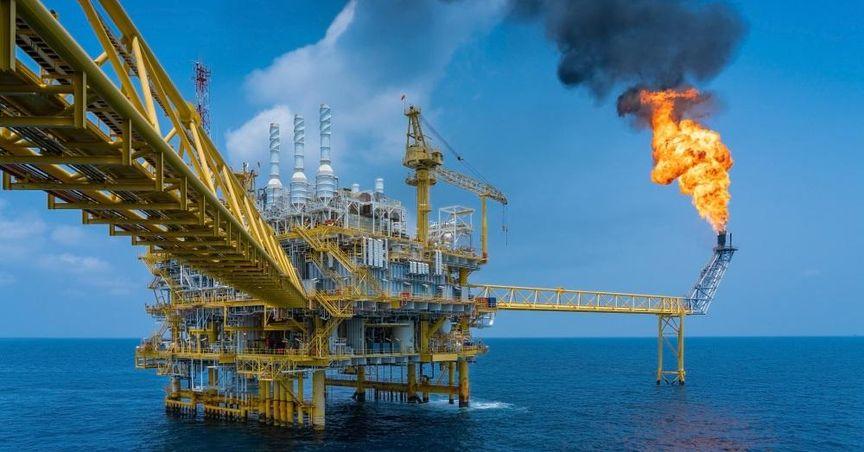
The global energy sector encompasses exploration, production, refining, and distribution activities that support industrial and consumer demand across regions. Within this sector, Petroleo Brasileiro S.A.- Petrobras (NYSE:PBR) operates as an integrated energy enterprise with activities spanning upstream and downstream segments, reflecting the structural characteristics of large energy organizations engaged in hydrocarbons and related operations.
How does the energy sector shape corporate activity?
Energy sector activity is influenced by geological resources, infrastructure development, and regulatory environments. Companies operating within this space manage complex supply chains that include exploration sites, processing facilities, transportation networks, and end markets. These structural elements contribute to varied operational rhythms and capital deployment patterns across different regions.
What characterizes integrated energy operations?
Integrated energy organizations typically combine exploration, extraction, refining, and distribution under a unified structure. This integration allows coordination across production stages, aligning resource development with refining capacity and distribution channels. Such structures are common among large entities with extensive geographic footprints.
How is derivatives trading connected to equity markets?
Derivatives linked to equities often reflect hedging activity, portfolio adjustments, or broader market participation. Options trading, in particular, forms part of a wider derivatives landscape that interacts with underlying securities. Activity levels can vary based on market conditions, liquidity, and participant objectives.
What role do exchanges play in market visibility?
Public exchanges provide standardized venues for trading securities and related instruments. Listings on major exchanges contribute to transparency through disclosure frameworks and reporting standards. Petrobras shares are associated with the NYSE Composite, which aggregates listed securities across multiple industries.
How do operational segments interact within large energy firms?
Operational segments within large energy firms often function interdependently. Exploration outcomes influence production volumes, which in turn affect refining throughput and distribution logistics. Coordination across these segments supports continuity of operations and alignment with market demand.
What factors influence trading activity patterns?
Trading activity patterns are shaped by liquidity, market access, and macroeconomic conditions. Sector developments, commodity benchmarks, and geopolitical considerations can also contribute to shifts in participation across equity and derivatives markets, influencing observed trading behavior.
How does geographic scope affect energy enterprises?
Geographic scope affects operational complexity, regulatory exposure, and logistical requirements. Energy enterprises with international operations navigate diverse legal frameworks, environmental standards, and infrastructure capabilities, which collectively shape organizational structure and reporting practices.
What is the significance of corporate scale in energy markets?
Corporate scale in energy markets is associated with extensive asset bases, workforce distribution, and capital commitments. Large-scale operations often support long-duration projects and complex engineering efforts, contributing to sustained industrial presence within the sector.
How do reporting frameworks support transparency?
Reporting frameworks established by exchanges and regulators aim to standardize disclosures related to operations, governance, and financial position. These frameworks facilitate comparability across firms and provide structured information to market participants and observers.
What distinguishes upstream and downstream activities?
Upstream activities focus on exploration and extraction of resources, while downstream activities involve refining, marketing, and distribution. Midstream functions, including transportation and storage, connect these stages. Each segment entails distinct technical and operational considerations.
How does market participation evolve over time?
Market participation evolves alongside changes in technology, regulation, and global demand patterns. Energy firms adapt operational strategies to align with resource availability, infrastructure development, and shifts in consumption across regions.
What role does infrastructure play in energy distribution?
Infrastructure underpins energy distribution through pipelines, terminals, and logistics networks. The scale and condition of infrastructure assets influence efficiency, reach, and reliability of supply chains within the energy sector.
How are corporate activities reflected in public disclosures?
Public disclosures summarize operational scope, segment performance, and organizational structure. These materials provide factual descriptions aligned with regulatory requirements, enabling consistent communication of corporate activities without interpretive framing.
