
 AUS
AUS
 NZ
NZ
 UK
UK
 CA
CA
 USA
USA
 IND
IND


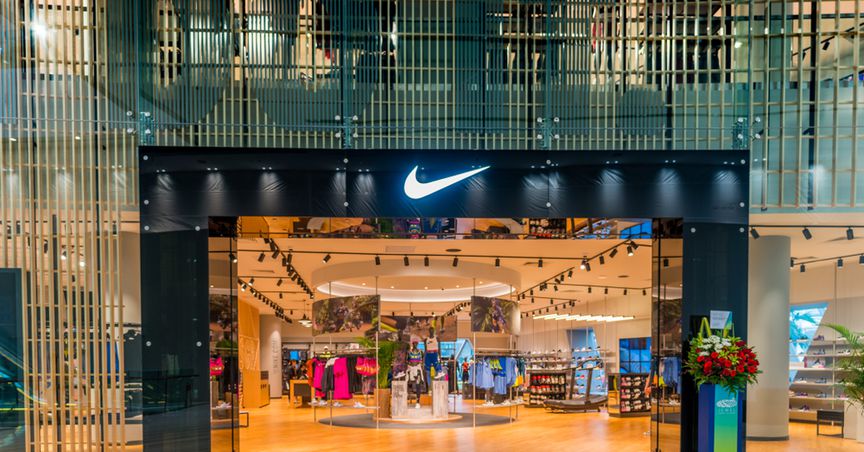





Nike Inc. (NYSE:NKE) took a decisive step toward revamping its leadership and reinvigorating slowing sales growth by naming Elliott Hill as its new CEO. The announcement, made on Thursday, sent the company’s stock surging nearly 7% in pre-market trading Friday. The leadership change comes as Nike faces mounting pressure to fend off rising competition and address concerns over its direct-to-consumer strategy.
Leadership Transition Marks a New Era for Nike
Elliott Hill, a seasoned Nike executive who retired in 2020, will return as CEO and president on October 14, 2024. Hill’s leadership track record includes a pivotal role as president of Nike’s consumer and marketplace business, overseeing commercial and marketing strategies for both the Nike brand and the iconic Jordan label. His return is seen as a strategic move to capitalize on his intimate knowledge of the company and its market dynamics during a critical period of transformation.
John Donahoe, Nike's current CEO, will officially retire on October 13, 2024, but will remain on board as an adviser until January 2025. Donahoe’s tenure saw Nike navigate the challenging shift toward a direct-to-consumer model, which has become increasingly important as retail landscapes shift and competition grows. The leadership transition is expected to bring a renewed focus on innovation, consumer engagement, and market competitiveness.
Stock Boost Reflects Optimism, But Challenges Remain
Investors greeted the leadership change with enthusiasm, sending Nike shares up almost 7% in early trading. However, the stock remains down over 25% this year as the company grapples with slowing revenue growth and stiff competition in the athletic footwear market. Concerns over the success of Nike’s direct-to-consumer pivot have weighed on its stock price, as have challenges from competitors like Adidas, On, and Deckers’ Hoka brand.
Nike’s fiscal fourth-quarter results, released in June, further exacerbated concerns. Quarterly revenue fell by 2% to $12.61 billion, missing Wall Street expectations of $12.86 billion. Direct-to-consumer sales, a key part of Nike’s long-term growth strategy, declined 8% year-over-year to $5.1 billion. Despite the revenue drop, Nike managed to surpass earnings expectations with $0.99 per share, exceeding analysts’ estimates of $0.66. However, this did little to offset the negative sentiment surrounding the company’s overall performance.
Facing Fierce Competition in the Athletic Footwear Market
Nike’s market position remains under significant pressure from both established players and emerging brands. Rivals such as Adidas and newer competitors like On and Deckers’ Hoka have been gaining ground in the global athletic footwear market, forcing Nike to step up its innovation and consumer outreach efforts.
Hill’s return as CEO comes at a time when Wall Street is closely watching Nike’s product pipeline and marketing strategies. Investors are eager to see how the company responds to growing competition and whether it can reignite growth through its direct-to-consumer channels.
