
 AUS
AUS
 NZ
NZ
 UK
UK
 CA
CA
 USA
USA
 IND
IND


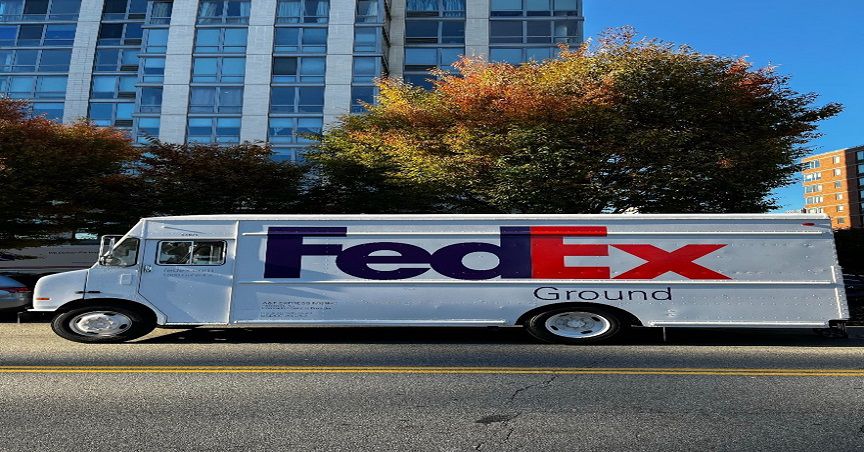





FedEx Corp. (NYSE:FDX) shares tumbled nearly 13% in pre-market trading on Friday after the logistics giant slashed its annual revenue forecast and reported a sharp decline in profits. The steep fall in share price reflects growing concerns about the weakening demand for the company’s high-margin express delivery services, a trend that could signal broader economic challenges. Rival UPS (NYSE:UPS) also saw its shares dip by 2.4%, as investors reacted to FedEx's troubling outlook.
Weak Demand for Priority Services Hits Profits
FedEx, often viewed as a bellwether for global trade, cited waning demand for its priority shipments as businesses cut costs and reduce their reliance on fast delivery services. CEO Raj Subramaniam acknowledged that industrial demand had softened more than expected, exacerbating the decline in FedEx’s high-margin business.
The company revised its fiscal 2025 revenue growth outlook to a low single-digit percentage, down from the low-to-mid single-digit growth projected earlier. Additionally, FedEx reduced the top end of its full-year adjusted operating income forecast, now expecting earnings per share between $20 and $21, down from the previous range of $20 to $22.
Shifting Consumer Preferences and Contract Loss Impact
The sharp decline in demand for FedEx's priority services, which typically command higher margins, was a key driver of its disappointing first-quarter performance. The company reported a notable shift in customer preferences toward deferred services, which offer slower delivery at a lower cost, further dampening yield growth. This change in service demand, coupled with reduced industrial activity, has put pressure on the company's revenue.
Adding to its challenges, FedEx is in the process of phasing out its contract work for the U.S. Postal Service, its largest client. The company anticipates a $500 million revenue hit in the current fiscal year due to the loss of this contract. While this transition is part of FedEx’s broader strategic shift, the immediate revenue decline highlights the near-term difficulties facing the company.
Cost-Cutting and Restructuring Efforts Continue
FedEx has been actively restructuring its operations to reduce overhead costs and improve efficiency. The company’s ongoing plan to streamline operations is aimed at cutting billions of dollars in expenses, with analysts expressing cautious optimism that these efforts will eventually yield long-term benefits.
Despite these restructuring efforts, the near-term outlook remains challenging, as FedEx grapples with weaker demand and ongoing shifts in its service offerings. The company’s ability to execute its cost-cutting initiatives while navigating external economic pressures will be key to its recovery.
