
 AUS
AUS
 NZ
NZ
 UK
UK
 CA
CA
 USA
USA
 IND
IND







Highlights
- AT&T operates across the communication services sector with nationwide wireless and fiber networks.
- Fiber expansion and fifth-generation wireless remain central to ongoing network development.
- Enterprise, consumer, and public safety connectivity services support broad nationwide operations.
AT&T (NYSE:T) operates within the communication servicessector, delivering wireless, broadband, fiber, and enterprise connectivity across the United States. As a component of the S&P 500, the company remains one of the country's largest telecommunications providers through an extensive network serving consumers, businesses, and government organizations. Operations span mobile communications, high-speed internet, business networking, cybersecurity solutions, cloud connectivity, and public safety communications, reflecting a diversified telecommunications business supported by large-scale infrastructure.
Communication Services Business
Wireless communications form a major part of overall operations, providing nationwide voice, messaging, and data connectivity for individual and commercial customers. Mobile plans include consumer subscriptions, enterprise services, connected devices, and Internet of Things applications supporting industries such as healthcare, transportation, manufacturing, and logistics.
Broadband connectivity complements wireless operations through residential and commercial internet offerings. Fiber deployment continues across additional communities, providing high-capacity broadband designed for growing digital connectivity requirements. Fiber infrastructure supports streaming, cloud computing, remote collaboration, online education, and digital entertainment while enhancing network capability.
Fiber Network Expansion
Fiber infrastructure remains an important operational priority throughout the telecommunications business. Expansion projects continue in metropolitan, suburban, and selected rural markets, extending access to high-speed internet services for households and commercial locations.
Fiber technology delivers symmetrical upload and download capabilities together with reduced latency compared with traditional copper-based connections. Increasing digital activity has expanded demand for reliable broadband supporting multiple connected devices within homes and workplaces.
Network construction includes underground installations, aerial deployment, local distribution facilities, and neighborhood connections that strengthen regional telecommunications infrastructure across numerous states.
Wireless Network Development
Wireless operations continue evolving through nationwide fifth-generation deployment. Network enhancements improve coverage, capacity, and reliability across densely populated urban areas together with expanding suburban and regional markets.
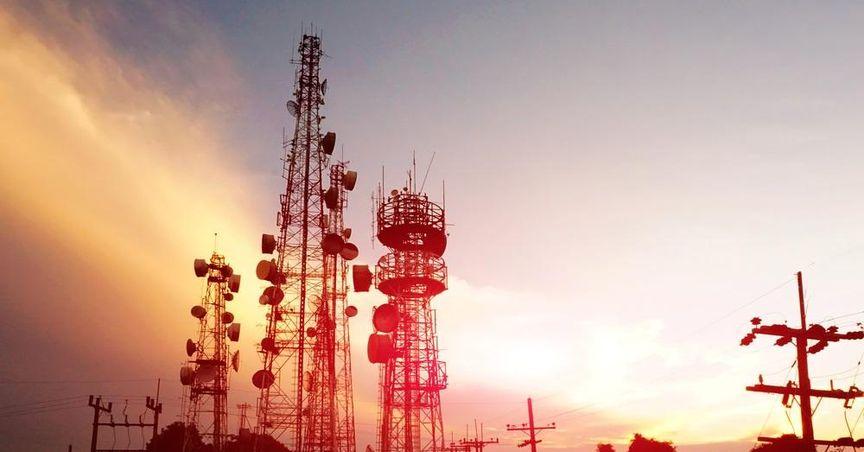
Spectrum assets remain fundamental to wireless operations by supporting mobile connectivity across different frequency bands. Network modernization incorporates advanced radio equipment, upgraded transmission facilities, and expanded backhaul infrastructure supporting increasing mobile data usage.
Wireless services extend beyond smartphones into connected vehicles, industrial sensors, wearable devices, healthcare monitoring equipment, and smart city applications, illustrating expanding connectivity across numerous industries.
Enterprise Connectivity Services
Business customers receive communications solutions including dedicated internet access, managed networking, cybersecurity services, cloud connectivity, unified communications, and Internet of Things platforms.
Enterprise connectivity supports organizations operating across finance, education, healthcare, retail, manufacturing, transportation, hospitality, and government. Services enable secure communications between offices, cloud environments, remote workforces, and operational facilities.
Public sector organizations also utilize specialized communications infrastructure supporting emergency response and public safety requirements through dedicated nationwide capabilities.
Public Safety Communications
Public safety communications remain a distinctive operational area through dedicated nationwide network resources supporting emergency responders. Specialized connectivity enables police departments, fire services, emergency medical organizations, and disaster response agencies to maintain communications during critical situations.
Priority network access, resilient infrastructure, and dedicated spectrum resources enhance communication reliability during emergencies, natural disasters, and major public events requiring coordinated response.
Digital Infrastructure and Technology
Telecommunications infrastructure continues evolving alongside expanding digital services. Data centers, cloud platforms, network virtualization, software-defined networking, artificial intelligence applications, and edge computing contribute toward improving operational efficiency and service delivery.
Automation supports network monitoring, traffic management, predictive maintenance, and service optimization across nationwide infrastructure. Digital platforms also simplify customer account management, billing, technical support, and service activation.
Within the S&P 500, telecommunications companies continue modernizing infrastructure to accommodate increasing digital connectivity requirements across consumer and enterprise markets.
Competitive Position Within Telecommunications
The United States telecommunications industry includes nationwide wireless carriers, regional broadband providers, cable operators, and enterprise networking companies competing across multiple connectivity segments.
Competition centers on network quality, geographic coverage, broadband availability, wireless performance, bundled service offerings, enterprise capabilities, and technological innovation. Continued infrastructure expansion reflects increasing nationwide reliance upon digital communications supporting households, businesses, educational institutions, healthcare providers, and government organizations.
Telecommunications infrastructure also supports broader economic activity by enabling e-commerce, financial transactions, cloud computing, digital media distribution, and connected industrial operations.
Sustainability and Infrastructure Modernization
Network modernization includes energy-efficient equipment, upgraded facilities, improved cooling technologies, and optimized power management supporting operational efficiency across communications infrastructure.
Fiber deployment replaces portions of legacy network architecture while modern wireless equipment increases network capability through advanced radio technologies. Infrastructure enhancements also strengthen network resilience against severe weather events and growing connectivity demand.
Operational initiatives include responsible resource management, recycling of retired network equipment, and continued modernization of communications facilities supporting nationwide service delivery.
Geographic Presence
Operations extend throughout the United States across urban centers, suburban communities, and numerous regional markets. Retail locations, wireless towers, fiber routes, switching facilities, data centers, and business service offices collectively support nationwide telecommunications operations.
Consumer services include wireless connectivity, broadband internet, digital entertainment solutions, and device support, while commercial operations deliver networking, cybersecurity, mobility, and communications services across organizations of varying sizes.
Telecommunications infrastructure continues supporting expanding digital transformation throughout residential, commercial, industrial, educational, healthcare, and government environments.
As connectivity demand continues evolving, telecommunications infrastructure remains essential across modern digital communications. Within the S&P 500, AT&T (NYSE:T) continues supporting nationwide wireless, fiber broadband, enterprise networking, and public safety communications through extensive infrastructure serving millions of connections across the United States.
