
 AUS
AUS
 NZ
NZ
 UK
UK
 CA
CA
 USA
USA
 IND
IND






Highlights:
- Greenhouse gas emissions while transporting fruits and vegetables are higher than in raising livestock for meat.
- People should switch to locally grown food to avoid transportation from other places to reduce carbon emissions.
- Rich countries are responsible for 46% of food-mile emissions, says study.
According to a peer-reviewed study published in the journal Nature Food, international transportation of food emits up to 7.5 times more greenhouse-gas emissions than previously thought.
Over one-third of those emissions are from international transportation of fruits and vegetables. The report mentioned that the amount is almost twice what is required to grow them.
As wealthy nations keep the demand for a round-the-year supply of fruits and vegetables high, it leads to 46% food-mile emissions, although those countries make up just 12.5% of the worldwide population.
The research found that carbon calculations around plant-based diets are even more complex. Though the bulk of the agricultural production emissions is caused while raising livestock for meat, fruits and vegetables are more carbon-intensive as they are shipped. Fruits and vegetables are transported in bulk, and they need refrigeration during transport. It creates greater emissions, according to the researchers.
Also Read: World Environment Day: Green investments that can earn you some green
 © Curraheeshutter | Megapixl.com
Also Read: NEE to GE: Top 5 green stocks to explore amid Russia-Ukraine turmoil
Eating local-grown food to cut emissions
It is not about eating only vegetables and fruits that can help cut greenhouse gas emissions but switching to locally grown food items. “The strategy of dietary change to reduce animal product consumption and promote plant-based foods must at least be coupled with switching towards more local production, especially in high-income countries,” said Mengyu Li, lead author of the study.
The study also revealed that international trade in agriculture and food increased more than 100% between 1995 and 2018. Food transportation is responsible for 27% of total global freight emissions and 19% of total food system emissions.
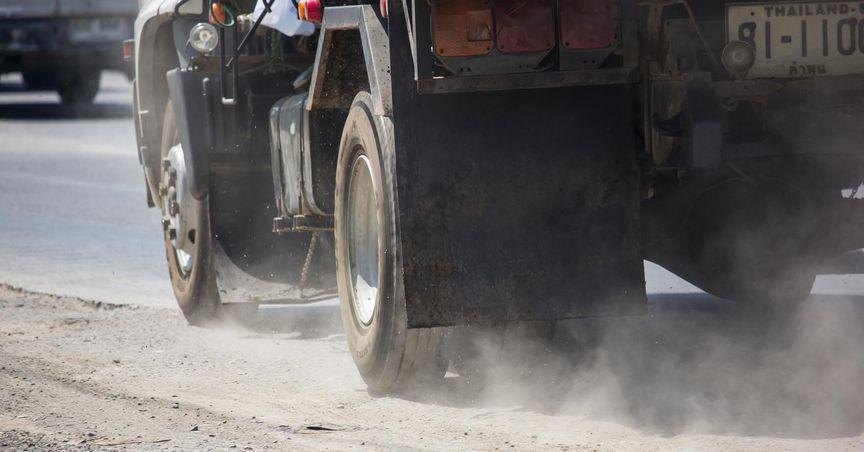
The study said that moving fruits and vegetables by truck emits more carbon for every ton of goods moved per mile than shipping via sea.
Bottom line:
The food transport system would need to replace fossil fuel trucks and ships with vehicles that run on low-carbon alternatives, such as batteries, biofuels or hydrogen, to reduce emissions worldwide.
