
 AUS
AUS
 NZ
NZ
 UK
UK
 CA
CA
 USA
USA
 IND
IND







Highlights
Mining companies attract attention within major UK equity indices
RELX activity influences information services representation
Broad participation observed across FTSE benchmark indices
UK equity activity reflects sector participation as mining companies and RELX influence movement across major FTSE indices.
The United Kingdom equity market operates through a structured framework of sectors and benchmark indices that collectively represent the country’s listed companies. Activity within the FTSE 100 Index highlights how sector participation contributes to broader market behaviour, particularly when mining and information services companies draw attention during a trading session. This index, alongside the FTSE 350 Index, plays a central role in reflecting how diversified industries interact within the UK market environment.
The session discussed here demonstrates how established sectors such as mining coexist with knowledge-driven industries, reinforcing the varied composition of the UK equity landscape. These movements take place within a regulated market structure that connects domestic listings with global operations, underscoring the international reach of many index constituents. The inclusion of companies across energy, materials, publishing, and professional services illustrates the depth of participation seen within the FTSE ecosystem.
Mining Sector Presence Within UK Equity Benchmarks
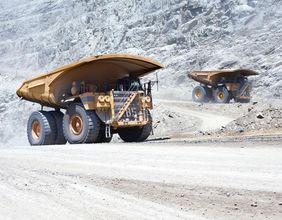
Mining companies represent a foundational segment of the UK equity market, with a strong presence across major benchmarks including the FTSE 100 Index and the FTSE 350 Index. These businesses are involved in the extraction and processing of essential materials used across construction, manufacturing, and industrial supply chains. Their inclusion within headline indices reflects both scale and operational reach, as many operate across multiple continents.
During the session, mining shares recorded visible engagement, contributing to overall index participation. The sector’s prominence within the FTSE All-Share Index highlights its ongoing relevance to the broader market. Mining companies often maintain exposure to a wide range of commodities, linking their operations to infrastructure development, energy usage, and industrial activity worldwide.
This sector also interacts with sustainability and resource management themes, which continue to shape corporate strategies across the industry. As a result, mining firms remain integral to index composition, influencing how market activity unfolds without implying directional expectations.
RELX and the Information Services Segment
The information services sector represents a contrasting yet equally significant component of the UK equity market. RELX (LSE:REL) operates within this segment, providing data analytics, publishing, and professional information services to a global client base. Its position within the FTSE 100 Index reflects the importance of knowledge-based businesses within the modern economy.
RELX (REL) contributes to the diversification of the index through its focus on digital platforms, subscription-based services, and analytical tools used across legal, scientific, and risk-related fields. The company’s activities highlight how intangible assets and intellectual property have become central to market representation.
Within the Indexftse Ukx, information services companies provide balance alongside industries such as mining and manufacturing. This mix illustrates how the UK market accommodates both traditional and modern business models. The presence of RELX (LSE:REL) also connects the UK equity market to global information networks.
Role of Multiple FTSE Indices in Market Structure
The UK equity market is organised through several interconnected indices, each designed to represent specific segments of listed companies. The FTSE 100 Index captures large, established firms, while the FTSE 350 Index expands coverage to include a broader range of mid-sized businesses. Together, these benchmarks provide insight into how different tiers of the market participate during trading sessions.
Beyond these, growth-oriented indices such as the FTSE AIM 100 Index and the FTSE AIM UK 50 Index track companies listed on the Alternative Investment Market. These indices reflect participation from developing and innovative businesses, adding another layer to the overall market framework.
The FTSE All-Share Index integrates these segments, offering a comprehensive snapshot of UK-listed equities. References to FTSE benchmarks serve as a common language for discussing market activity.
Sector Interaction and Market Balance
Sector interaction remains a defining feature of the UK equity market. Mining companies, information services providers, consumer businesses, and industrial firms operate side by side within shared indices. This structure supports balance by combining industries with differing operational cycles and revenue drivers.
Within the FTSE dividend stocks segment, companies from multiple sectors contribute to income-focused classifications, illustrating how diverse business models coexist within a single framework. The presence of both resource-driven and data-centric firms underscores the adaptability of UK indices to changing economic landscapes.
These interactions also highlight the role of global exposure among index constituents. Many companies listed within the FTSE 100 Index generate revenue internationally, linking UK market activity to broader economic conditions.
Market Communication and Index Connectivity
Market communication relies heavily on index terminology to describe activity in a clear and standardised manner. References to the FTSE 100 Index, FTSE 350 Index, and FTSE All-Share Index provide context for understanding how different groups of companies contribute to overall market participation.
Keywords such as FTSE and Indexftse Ukx frame discussions around UK equities by reflecting the structured nature of the market. RELX (LSE:REL) and mining firms exemplify how diverse businesses contribute to this collective framework.
