
 AUS
AUS
 NZ
NZ
 UK
UK
 CA
CA
 USA
USA
 IND
IND






Highlights
- Energy firms remain central within UK benchmark indices and sector composition
- Integrated operations continue to define strategic positioning across global markets
- Transition themes coexist with traditional resource activities in sector narratives
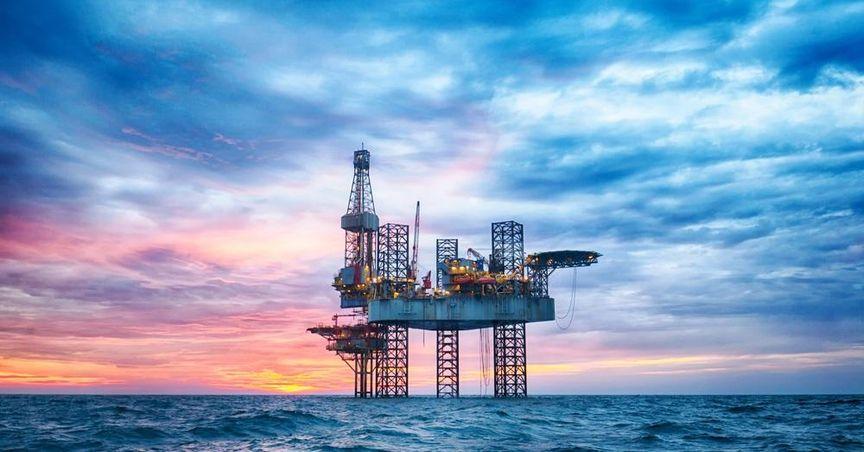
The energy sector encompasses a wide array of activities, from hydrocarbon extraction to renewable power generation. TotalEnergies (LSE:TTE) operates as a multi-energy company within this landscape and is associated with the FTSE 100, reflecting its broad operational reach and sector relevance within UK-listed markets.
Operational breadth across energy segments
Energy enterprises with integrated structures typically span multiple business segments that connect upstream exploration with downstream distribution and end-user services. This integrated model allows companies to maintain continuity across the value chain while adapting to shifts in supply, demand, and regulatory frameworks. Activities may include the exploration of crude oil and natural gas, refining processes, petrochemical production, and the distribution of fuels and energy-related products.
In addition to traditional operations, integrated energy companies increasingly engage in electricity generation, renewable power development, and alternative fuels such as biofuels and hydrogen. These areas represent an evolving dimension within the sector, where diversification complements established activities. The coexistence of conventional and emerging energy streams illustrates how companies maintain operational continuity while adapting to broader environmental and policy shifts.
Liquefied natural gas forms another key component within integrated energy frameworks. LNG infrastructure connects production sites with global markets, enabling transport and distribution across continents. This segment often includes both upstream extraction and midstream logistics, linking resource availability with consumption hubs. Alongside LNG, companies may participate in gas trading, storage, and distribution, reinforcing their role within interconnected energy networks.
Index positioning and sector representation
The FTSE 350 extends beyond the largest companies to include a wider selection of UK-listed firms, offering a broader representation of sectoral diversity. Within this index, energy companies continue to maintain visibility due to their scale and global operations. Their inclusion reflects both market capitalisation and sustained relevance within the economic landscape.
Across indices, energy firms contribute to the structural balance between cyclical and defensive sectors. Their activities are influenced by a range of external factors, including geopolitical developments, resource availability, environmental considerations, and regulatory frameworks. These influences shape operational decisions and strategic alignment, reinforcing the interconnected nature of global energy markets.
The presence of integrated energy companies within major indices also highlights their role in broader market narratives. As components of widely tracked benchmarks, these firms influence index-level movements and sector weighting. Their operational diversity and geographic reach contribute to index resilience, particularly during periods of market adjustment or structural change.
Transition themes and evolving energy mix
The global energy landscape is undergoing structural transformation as alternative energy sources gain prominence alongside conventional hydrocarbons. Integrated energy companies increasingly participate in renewable power projects, including solar, wind, and bioenergy. These initiatives complement existing operations and reflect broader shifts in energy consumption patterns and environmental considerations.
Electricity generation and distribution have become integral components of the modern energy portfolio. Companies engage in the development of power infrastructure, grid integration, and energy storage solutions. These activities support the expansion of renewable capacity while maintaining continuity with existing supply systems.
Hydrogen and green gases represent emerging areas within the energy transition narrative. These alternatives are explored as part of broader decarbonisation strategies, contributing to diversified energy portfolios. Their integration into existing operations highlights the adaptability of large-scale energy companies as they navigate evolving industry frameworks.
At the same time, refining and petrochemical operations continue to serve as foundational components of the energy sector. These activities support industrial processes, transportation networks, and manufacturing supply chains. The coexistence of traditional and emerging segments illustrates a transitional phase where legacy operations remain relevant alongside newer initiatives.
Broader market context and sector continuity
Within the wider FTSE all share landscape, energy companies contribute to overall market composition by providing exposure to global resource markets. Their operations span multiple regions, including Europe, North America, Africa, and other international markets. This geographic diversification reinforces their role within global supply networks.
Market narratives often reflect the interplay between supply dynamics, regulatory developments, and technological advancements. Energy companies respond to these factors through adjustments in operational focus, project development, and portfolio diversification. Their ability to operate across varied segments allows them to maintain continuity within a changing environment.
The concept of integrated operations remains central to understanding the sector. By connecting upstream resource extraction with downstream delivery and services, companies establish cohesive systems that support global energy distribution. This integrated approach enables coordination across complex value chains, facilitating the movement of resources from production sites to end users.
Energy companies also play a role in supporting industrial ecosystems. Their outputs feed into manufacturing, transportation, and infrastructure development, linking the energy sector with broader economic activity. This interconnectedness underscores the importance of energy firms within both domestic and international contexts.
Within UK-listed markets, sector representation continues to evolve alongside global trends. Companies adapt their operations to align with changing regulatory environments and environmental considerations. These adjustments reflect broader shifts in how energy is produced, distributed, and consumed across different regions.
The inclusion of energy firms within major indices reinforces their structural importance. Their presence contributes to sectoral balance and reflects the enduring relevance of energy within economic systems. As the sector continues to evolve, integrated companies remain central to discussions surrounding resource management, energy supply, and industrial continuity.
The FTSE dividend stocks landscape also features energy companies prominently, reflecting their established presence within UK-listed markets. Their inclusion within such groupings highlights their role in broader market narratives, particularly in relation to sector composition and capital allocation patterns.
Taken together, the evolving dynamics of the energy sector illustrate a complex interplay between tradition and transformation. Integrated companies continue to navigate this landscape through diversified operations, geographic reach, and engagement with emerging energy technologies. Their role within major indices underscores their continued relevance within the UK market environment.
