
 AUS
AUS
 NZ
NZ
 UK
UK
 CA
CA
 USA
USA
 IND
IND






Highlights
Tesco remained a key focus within the UK grocery and retail sector.
Consumer demand, fresh food ranges, and online activity shaped market attention.
Retail competition continued influencing supermarket participation across UK markets.
Tesco remained active within the UK retail sector as grocery operations, digital services, fresh food categories, and consumer engagement continued shaping market participation.
The retail and consumer goods sector continued attracting attention across the FTSE 100 and FTSE 350, with supermarket operators, food retailers, and household goods businesses remaining closely connected to consumer spending activity across the United Kingdom. Retail companies operating within major UK indices continue contributing to commercial activity through grocery distribution, food supply networks, digital retail channels, and large-scale store operations.
Tesco plc (LSE:TSCO) remained among the most closely watched supermarket businesses within the UK retail landscape. The company maintains a significant presence across food retailing, convenience formats, wholesale operations, online services, and consumer-focused distribution channels. Activity across the grocery sector continued reflecting changing shopping patterns, seasonal demand trends, and ongoing engagement within food and household product categories.
Retail businesses listed within London markets continue operating in a highly active environment shaped by customer preferences, supply chain operations, product availability, and commercial competition. Across the broader market landscape, food retailers remained associated with developments linked to fresh produce, own-brand ranges, digital shopping services, and customer engagement initiatives.
Consumer-focused businesses continue forming an important component of UK equity markets due to their extensive interaction with households, suppliers, manufacturers, and logistics networks. Their presence within leading market benchmarks reflects the broader significance of retail activity across the domestic economy.
Grocery Retailers Continue Expanding Customer Engagement Across Multiple Channels
Supermarket operators remain active across several areas of consumer commerce, ranging from traditional store formats to digital ordering platforms and wholesale services. These businesses continue serving households through extensive product ranges covering groceries, household essentials, health products, clothing, and seasonal merchandise.
Retail participation increasingly extends beyond physical store locations as businesses continue operating online platforms, home delivery services, collection networks, and mobile-based shopping channels. Digital commerce remains an important element within the broader retail environment as customer interaction evolves across multiple purchasing methods.
Food retailers continue focusing on product availability, supply chain efficiency, and category diversification. Fresh produce, packaged foods, prepared meals, bakery products, beverages, and household goods remain central components of supermarket operations.
Across the wider FTSE landscape, retail companies continue interacting with agricultural suppliers, food manufacturers, transportation providers, packaging businesses, and logistics operators. These relationships support the extensive commercial networks that underpin grocery retailing throughout the United Kingdom.
Consumer engagement within supermarkets remains connected to product accessibility, shopping convenience, and retail service delivery. Businesses operating within this sector continue adapting product ranges and merchandising strategies to align with changing household purchasing behaviour.
Retail groups also remain associated with seasonal shopping activity, promotional campaigns, product launches, and category expansion initiatives. Such developments frequently contribute to market attention surrounding supermarket operators and broader consumer-facing businesses.
The interaction between physical retailing and digital commerce continues shaping operational activity throughout the grocery sector. As customer preferences evolve, retailers remain engaged across multiple channels designed to support shopping accessibility and service efficiency.
Fresh Food Categories and Own-Brand Ranges Remain Important Across Retail Operations
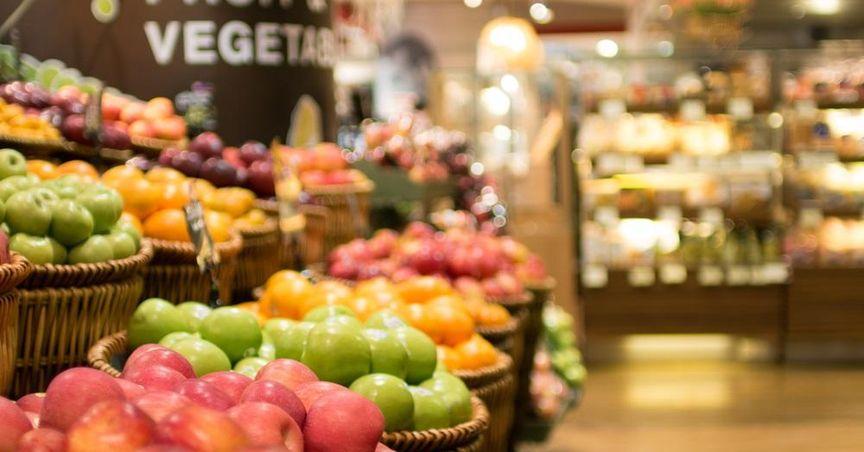
Fresh food continued attracting attention across the supermarket sector as grocery businesses maintained focus on produce, bakery items, dairy products, meat selections, and prepared meal categories. These areas remain important within food retailing due to their direct connection with household consumption patterns and regular shopping activity.
Retailers continue developing own-brand product ranges across numerous categories. These product lines frequently span everyday essentials, premium selections, seasonal offerings, and specialist food segments designed to support varied customer preferences.
The expansion of own-brand portfolios remains an established part of supermarket operations throughout the UK retail sector. Businesses continue introducing products across fresh food, packaged goods, beverages, and household categories as part of broader merchandising strategies.
Consumer interest in food quality, product variety, and convenience continues shaping activity within grocery retailing. Retail organisations frequently refresh product selections while expanding category availability across stores and digital platforms.
Tesco plc (LSE:TSCO) continued operating across these retail segments through grocery distribution, fresh food offerings, and branded product portfolios. Activity surrounding premium food selections and seasonal ranges remained connected to broader discussions across the supermarket landscape.
Food retailing remains closely linked to agricultural production, food processing, packaging services, and transportation infrastructure. The movement of products from suppliers to consumers requires extensive coordination across multiple industries supporting the retail ecosystem.
Fresh food categories frequently remain central to customer engagement due to regular purchasing patterns and household consumption requirements. Supermarket operators continue allocating significant resources toward product sourcing, logistics management, and inventory availability within these areas.
The relationship between product range development and customer demand continues influencing retail operations throughout the grocery sector. Businesses remain active across food innovation, category management, and merchandising initiatives that contribute to commercial participation.
Online Retail Services Continue Supporting Consumer Accessibility
Digital shopping services remained an important component of modern grocery retailing as supermarket groups continued expanding online accessibility across food and household product categories. E-commerce platforms remain integrated into broader retail operations through home delivery networks, collection services, and mobile ordering systems.
Retail businesses continue investing in logistics infrastructure supporting digital fulfilment activities. Warehousing operations, transportation systems, and order management processes contribute to the movement of products between retailers and consumers.
Online grocery activity remains connected to convenience-focused shopping preferences. Customers continue utilising digital channels for routine purchases, scheduled deliveries, and household product replenishment.
The integration of physical stores and digital services remains a defining feature of contemporary retail operations. Businesses frequently coordinate inventory management, product availability, and fulfilment capacity across both channels.
Retail participation within online commerce also supports broader commercial activity involving technology providers, payment platforms, software services, and logistics operators. These interconnected relationships contribute to the wider retail ecosystem.
The FTSE all share market structure includes businesses operating across various aspects of consumer commerce, including digital retailing, logistics, and product distribution. This reflects the extensive range of industries connected to modern shopping behaviour.
Online retail services continue evolving through enhancements to delivery options, digital interfaces, and customer engagement tools. These developments remain closely associated with broader changes occurring across consumer-focused industries.
Retailers operating within food and grocery sectors continue balancing physical store investment with digital service expansion. The coexistence of these channels remains central to ongoing participation throughout the retail environment.
Competitive Market Conditions Continue Influencing Supermarket Activity
Competition remains an established feature of the UK grocery market as retailers continue operating alongside supermarkets, convenience chains, wholesale businesses, discount retailers, and specialist food providers. This environment contributes to ongoing activity across multiple areas of consumer commerce.
Food retailers frequently engage in promotional campaigns, product launches, store development programmes, and category expansion initiatives. Such activities contribute to customer engagement while supporting participation throughout the retail sector.
Supermarket operators remain active across diverse store formats ranging from large retail locations to convenience outlets serving local communities. These varied formats allow businesses to maintain broad consumer reach across different geographic regions.
Retail competition also extends into digital services, delivery networks, loyalty programmes, and customer experience initiatives. Businesses continue refining operational strategies associated with shopping accessibility and product availability.
Consumer demand remains influenced by household purchasing habits, seasonal shopping behaviour, and category preferences. Retail organisations continue monitoring these factors while managing inventory, merchandising, and store operations.
The grocery market remains interconnected with manufacturing, transportation, food production, packaging, and commercial property sectors. These relationships reinforce the broader economic significance of supermarket operations within the United Kingdom.
The Indexftse Ukx includes several businesses connected to consumer commerce, retail services, and household product distribution. Their presence reflects the continued relevance of retail activity within leading UK equity benchmarks.
Market participation across the grocery sector remains influenced by commercial engagement, operational scale, and customer interaction. Retail organisations continue operating within a dynamic environment shaped by evolving consumer expectations and industry developments.
Retail Sector Participation Remains Connected to Wider Economic Activity
Retail businesses continue interacting with numerous industries that support product development, manufacturing, transportation, warehousing, technology services, and commercial distribution. These relationships reinforce the broad economic footprint associated with grocery and consumer goods sectors.
Supermarket operators remain connected to domestic producers, international suppliers, agricultural businesses, and food processing organisations. Their activities contribute to extensive commercial networks spanning multiple regions and industries.
Employment remains another important aspect of retail operations. Grocery retailers continue supporting workforce participation across store operations, logistics services, distribution centres, customer support functions, and corporate management activities.
The category of FTSE dividend stocks frequently includes businesses operating within retail and consumer sectors due to their established commercial presence across the market landscape.
Retail companies also remain associated with property management, construction activity, refrigeration systems, packaging technology, and transportation infrastructure. These operational requirements contribute to wider economic participation beyond direct consumer sales.
Commercial activity across supermarkets continues supporting numerous product categories, including groceries, beverages, personal care products, household goods, health items, clothing, and seasonal merchandise. This diversity contributes to the broad role retailers maintain within consumer markets.
Businesses operating across the retail environment frequently coordinate with technology providers responsible for digital platforms, inventory systems, data management services, and customer engagement tools. These technological connections continue supporting operational efficiency across the sector.
The grocery retail landscape remains one of the most visible components of consumer commerce within the United Kingdom. Through extensive store networks, online services, supply chains, and product distribution systems, retailers continue contributing to ongoing activity across domestic and international markets.
