
 AUS
AUS
 NZ
NZ
 UK
UK
 CA
CA
 USA
USA
 IND
IND





_06_15_2026_08_31_29_563066.jpg)

Summary
- T-cells influence how long a corona patient can remain resistant to a re-infection: University College London
- They offer prominent protection against fighting with coronavirus: Oxford University
- The scientists who are developing Covid-19 vaccine may require to elicit these T-cells to work alongside antibodies
While trying to learn about the role of antibodies in building immunity against Sars-Cov-2, the virus that causes Covid-19, a new inference has come into light. New evidence suggests that T-cells can recall past infections for a long time and would destroy the pathogens if they reappear to infect the human body. So, these cells ultimately determine the extent to which a person can remain resistant to coronavirus re-infections.
Mala Maini, Professor at University College London said that T-cells tend to last longer than antibodies, which disappear soon after a patient recovers from the coronavirus infection. In fact, studies have revealed that patients who recovered from SARS in 2003 (the ailment most similar to Covid-19) still display cell-level immunity to coronavirus, much more than a decade later.
Immunity to coronavirus infection (or for that matter any disease) develops from an intricate teamwork of various cells (like T-cells) and proteins (like antibodies), that get produce in the human body as a response to the infection. While some of them perform the job of recognising the virus, others have the potential to kill it.
Additionally, Al Edwards, Associate Professor, School of Pharmacy, University of Reading elaborated that both T-cells and antibodies work together and strengthen each-other’s response to knock-off any infection. Even when no detectable antibodies are visible in the human body, it continues to retain these memory cells (the T cells) that kick into action in case of a re-infection and ensure you have a milder infection than before.
Further, these are not the only studies that have highlighted the importance of T-cells in fighting the virus. Similar studies going on outside the UK also point to the same conclusion.
For example, another study found that even the sickest coronavirus infected patients produce T-cells that help fight the virus. This study was carried out at Erasmus University Medical Center in the Netherlands. Even the patients with moderate level of corona infection produce these crucial cells and help the patient recover, it added.
These consistent T-cell observations in patients spaced thousands of miles apart are very useful. They indicate that the corona vaccine, once developed will be equally useful to people living all across the world.
So, what are these T-cells?
T cells or T lymphocytes are an important part of the human adaptive immune system. Their main job is to kill the infected host cells. They also regulate the overall immune response by triggering other immune cells.
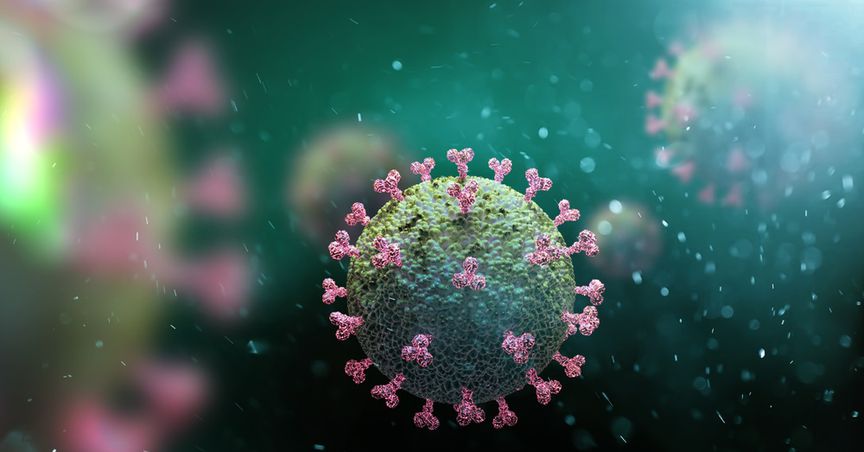
These T lymphocytes target the ‘spike’ protein on the virus, which is the major surface protein that the virus uses to bind to a receptor. In fact, it acts like a doorway to the human cell. Therefore, there is now growing evidence that the spike protein is a promising target to curtail the virus. This is good news for scientists who are trying to develop a corona vaccine using spike.
It is not just the antibodies that fight the coronavirus, once it attacks the human body, T-cells are also needed. A sick Covid-19 patient’s body produces these vital cells along with the antibodies to help fight the virus.
When someone is infected with Covid-19, T-cells, with the help of other immune cells, are the first ones to react. They have receptors that can recognize disease causing germs to which our bodies are continuously exposed.
After finding these germs, the T-cells bind them and rapidly multiply to make a powerful attack on them. Once the battle is over, some of these T cells stick around so next time the body sees an infection like Covid-19, they respond more quickly. This concept is called the immune memory.
If we could read the genetic code of these immune cells and learn which ones are most effective against the corona infections, we could use this information to make informed solutions to prevent, detect and treat Covid-19. We can learn from the immune response of the people who are infected with or have recovered from the disease, to understand how it can be applied to help everyone.
Therefore, the scientists who are developing Covid-19 vaccine may require to elicit these T-cells to work alongside antibodies.
Since antibodies vanish faster, especially in people with mild infections, they may be rendered an unreliable indicator. On the other hand, since T-cells remain for a much longer time, they provide a better diagnosis. However, the main challenges in studying the T-cells is that they are almost 10,000 times smaller in size as compared to the antibodies. So, while antibodies data can be assessed through a simple blood test, analysis of T-cells is done via a much longer and elaborate process.
Corona vaccine under development at Oxford
The vaccine under development at the Oxford University utilizes a weakened version of a common cold virus that is known to spread the infection among chimpanzees. It had been suitably modified genetically so that it won’t grow among human beings. It is being observed in trails if the vaccine candidate triggers an immune response to the spike cells which eventually help stop coronavirus from penetrating the human cells and thus prevent infection.
Preliminary response to the ongoing clinical trials suggests that the potential vaccine triggers two responses in the immune system: producing antibodies and giving rise to T-cells. While both attack the coronavirus, T-cells offer very prominent protection.
Currently, phase 3 clinical trials for the Oxford vaccine ChAdOx1 are going on in Brazil, where the infection rate is currently higher, as the University has not been able to conduct enough trails in the United Kingdom due to low transmission rates here.
The extent to which the potential vaccine candidate will evoke T-cell immunity will remain the center of attention. The vaccine is expected to be ready by end of December 2020.
Right now, more than 100 vaccine candidates are being developed across the world for the infectious coronavirus.
As a summary, new findings reveal that the tiny T-cells contain vital information about the way a human body can fight Sars-Cov-2, the virus that causes Covid-19 disease. T cells or the memory cells, as the are called, are retained in the body for a much longer period than antibodies, and help fight the infection, in case it reappears. Data from undergoing clinical trails at Oxford University to develop the potential corona vaccine is also likely to use observations about formation of these cells in corona-infected patients and how they help build the immunity.
