
 AUS
AUS
 NZ
NZ
 UK
UK
 CA
CA
 USA
USA
 IND
IND





Highlights
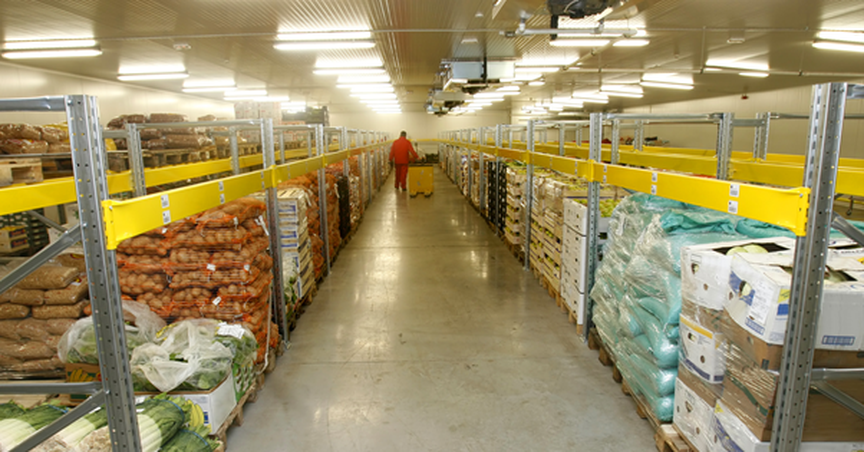
- Experts have suggested self-driving trucks and migrant workers could now solve the problem of the crumbling food supply chain in Australia.
- Most food and logistics workers are either sick or in isolation, resulting in the food and beverage sector suffering by 10-50% now.
- People must now understand the importance of local food supply as the interstate, and international food supply is the primary cause of this disruption.
Experts have said that the disruption in the food supply chain in future could be compensated by deploying self-driving trucks and increasing the migrant workforce. However, Andrew R Timming, the RMIT Deputy Dean of Research & Innovation, has said that the food supply chain has been majorly affected due to COVID-19, especially the Omicron variant.
Read more: City Chic Collective (ASX:CCX) shows uptrend, tracks revenue growth
According to the national employer association Ai Group, the Australian food and beverage sector is facing a significant setback. The food and logistics business are suffering by 10-50% as most of their workforce have been infected or in isolation.
Migrants have customarily played essential roles in picking produce and transferring it across the country. The sudden closure of Australian borders in 2020 has contributed to the supply chain's disruption. Moreover, the strict COVID-19 regulations and insolation rules have further contributed to the nation's situation right now.
The Ai Group has suggested issuing temporary work rights to all the Visa holders in Australia. The chief executive of the Ai Group, Innes Willox, has said that this would at least enable them to work in areas of urgent need.
Andrew Brutt, RMIT Associate Professor in Sustainability and Urban Planning, has said that the food supply chain dependent on interstate and international supply is the cause of the setback. Hence, people need to understand the importance of having a local food supply chain within metropolitan regions.
