
 AUS
AUS
 NZ
NZ
 UK
UK
 CA
CA
 USA
USA
 IND
IND






Highlights
- Ukraine strikes deep into Russian territory with drones.
- Macron and Putin reconnect after three years.
- US and Germany shift stance on Ukraine and Russia dynamics.
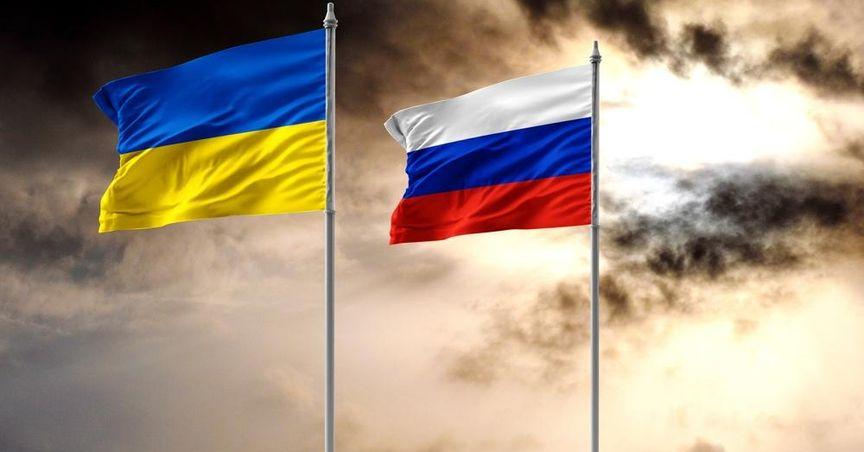
In a significant development in the ongoing Ukraine-Russia conflict, Ukrainian drones launched one of the deepest strikes into Russian territory since the war began over three years ago. The target was the city of Izhevsk, situated over 1,000 kilometers from the frontline. The city is a hub for arms production and is known for hosting manufacturing units including those involved in producing combat drones and the renowned Kalashnikov rifles.
According to Ukrainian security sources, the assault aimed at a drone production facility in Izhevsk, dealing a direct blow to Russia’s technological and offensive capabilities. Local Russian authorities reported that the attack resulted in the deaths of three individuals and left many others injured. Visuals circulated on social media showed drones hovering over the area and a significant explosion at an industrial complex, indicating the impact of the operation.
On the diplomatic front, a notable shift occurred as Russian President Vladimir Putin engaged in a two-hour-long phone conversation with French President Emmanuel Macron—their first direct communication since September 2022. The discussion centered around the Ukraine crisis and escalating tensions in the Middle East. France emphasized the urgent need for a ceasefire and the initiation of peace negotiations, while Russia reiterated its stance that the conflict was the outcome of Western policies.
Meanwhile, the United States announced a halt to certain arms shipments to Ukraine. Citing concerns about its own military reserves, the decision marks a shift in priorities, especially under the new leadership of President Donald Trump. The White House underlined that the review was essential for safeguarding national interests and maintaining American military readiness.
In Europe, Germany has increased scrutiny of Russia’s so-called “shadow fleet” of tankers that transport crude oil while bypassing Western sanctions. Starting Tuesday, German authorities began questioning tankers passing through the Baltic and North Sea about their environmental insurance, a move aimed at curbing illegal maritime operations that support Russian oil exports.
The situation near Ukraine's Zaporizhzhia nuclear power plant also raised alarms, as six drones reportedly attacked areas close to the facility’s cooling pond. The International Atomic Energy Agency (IAEA) confirmed the incident, although no injuries were reported.
Additionally, Ukraine’s military leadership ordered a structural overhaul of troop shelters in training camps to better defend personnel against targeted airstrikes. This decision follows recent losses attributed to lax camp infrastructure and aims to strengthen defensive postures.
Finally, Russia's internal military leadership saw a major shakeup as former deputy defense minister Timur Ivanov was sentenced to 13 years in a penal colony for corruption. The case is part of a broader anti-graft initiative targeting defense officials.
As the conflict continues to evolve, these multi-faceted developments—from battlefield strikes to diplomatic dialogues and international sanctions—underscore the complex and shifting dynamics at play.
