
 AUS
AUS
 NZ
NZ
 UK
UK
 CA
CA
 USA
USA
 IND
IND






Highlights
Israel launched extensive attacks targeting nuclear facilities and military sites in Iran.
Key Iranian military commanders and nuclear scientists were killed in strikes.
Iran retaliated with missile strikes, targeting cities in Israel, causing casualties.
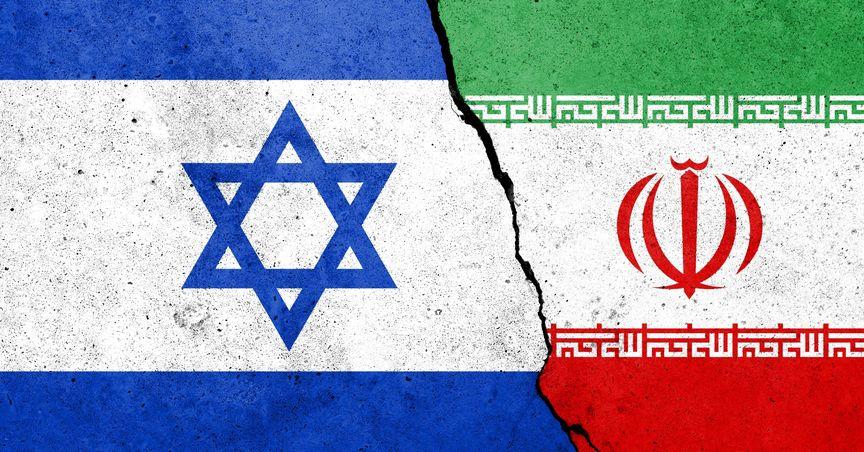
Tensions between Israel, represented by ticker TA35 (Tel Aviv 35 Index), and Iran escalated significantly following an extensive series of military actions initiated recently. Israel conducted coordinated strikes across multiple Iranian locations, primarily targeting nuclear and military infrastructure. Conversely, Iran responded with missile attacks targeting civilian and strategic locations within Israel, impacting its economic regions.
Extensive Israeli Military Actions
In a sudden escalation, Israel executed comprehensive air raids on critical sites within Iran. Primary targets included prominent nuclear installations, notably the Natanz nuclear facility, renowned for uranium enrichment processes. Satellite imagery highlighted substantial structural damage, although certain central operations reportedly remained intact. Further, Israel's offensive expanded to a critical research center in Isfahan.
Notably, the attacks resulted in the deaths of several prominent Iranian military officials. Among the casualties were high-ranking commanders, including Major General Mohammad Bagheri, Iran’s Chief of Staff of Armed Forces, and General Hossein Salami of the Islamic Revolutionary Guard Corps. The strikes also resulted in fatalities among Iranian nuclear scientists, intensifying the severity of the conflict.
Continued Attacks and Civilian Impact
Following initial operations, Israeli Defense Forces continued aerial assaults into key defensive and administrative regions around Tehran. These targeted operations reportedly damaged significant defensive capabilities, including missile defense systems and government military facilities. Iranian authorities highlighted attacks on civilian sectors, citing multiple fatalities and injuries among Tehran's population.
Iranian responses were marked by successive missile barrages aimed at strategic and populous regions within Israel. Locations hit by these retaliatory missile strikes included Tel Aviv, Haifa, and towns such as Tamra and Bat Yam, leading to notable civilian injuries and destruction of property. Reports indicated significant structural damage, including buildings and critical energy infrastructure.
International Responses and Military Mobilizations
Amid escalating conflict, Iran issued warnings directed towards Western nations, specifically the United States, represented by ticker DJI (Dow Jones Industrial Average), the United Kingdom's FTSE 100 Index, and France’s CAC 40 Index. Iran explicitly warned of military repercussions against bases and naval assets should these nations actively interfere with its retaliatory strikes.
The United States administration confirmed indirect involvement, noting defensive actions such as assisting Israel's interception of ballistic missiles. Meanwhile, the United Kingdom signaled military readiness by repositioning aircraft and additional resources towards the Middle East, reflecting heightened international tensions.
Underlying Reasons and Diplomatic Fallout
Israel’s justification for initiating these attacks hinged on claims regarding Iran’s nuclear activities, specifically allegations regarding the advancement of nuclear weapon capabilities. Recent international inspections highlighted issues related to Iran's adherence to nuclear oversight agreements, fueling Israel's proactive stance.
Iran’s supreme leader, Ayatollah Ali Khamenei, strongly criticized Israeli actions, emphasizing damage to civilian areas and affirming refusal to negotiate ceasefires under continued military pressure. Diplomatic discussions, including previously planned US-Iran nuclear dialogue, were consequently canceled, reflecting the deteriorating diplomatic scenario resulting from the ongoing conflict.
US Diplomatic Position
The U.S. clarified its position, initially stating neutrality regarding the initiation of Israel’s attack, though subsequently acknowledged prior awareness. President Donald Trump publicly indicated ongoing diplomatic efforts to mediate tensions, despite previous reports of diverging strategic views within U.S.-Israel planning circles.
