
 AUS
AUS
 NZ
NZ
 UK
UK
 CA
CA
 USA
USA
 IND
IND


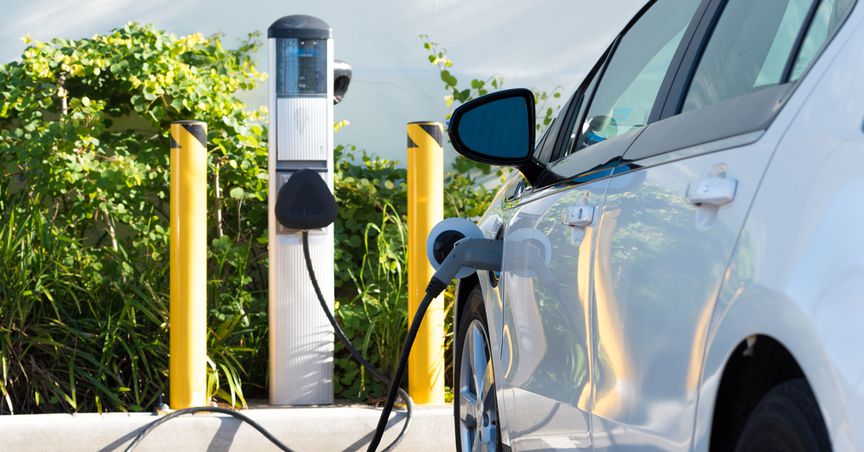



Source: Mike Flippo, Shutterstock
Summary
- Geely to roll out premium EV brand Zeekr to compete with Tesla and others.
- The company to shun dealership model, build own showrooms to sell cars.
- Its competitors include Tesla, NIO, Volkswagen, Toyota, and SAIC Motor.
Chinese automotive company Geely plans to build premium electric vehicles to compete with brands like Tesla and NIO, according to people familiar with the development.
The cars will be marketed with the brand name Zeekr, which will be sold under a new entity called Lingling Technologies, they say. Geely’s foray into the EV segment will add further momentum to the Communist government’s efforts to take the polluting patrol-and diesel-powered cars off the road in the next 5-10 years.
The sources said that the Volvo owner will adopt a different approach to sell cars as other EV makers, like NIO and Tesla, already hold a considerable share in the Chinese market.
Global automakers have accelerated the development of EV cars as most governments were expected to move towards a green economy as part of their Paris Climate commitment.
In 2018, China had 1.2 million electric vehicles, making it the world’s largest EV market. Besides, a growing climate-conscious middle class, which can afford a car, and the government’s drive for green transportation is helping a faster transformation of the sector.
China is removing all major policy hurdles, building infrastructure, and providing subsidies to promote EVs. Geely’s latest gamble with EVs is in line with founder Li Shufu’s long-held ambition to build high-end cars like Mercedes-Benz, sources said.
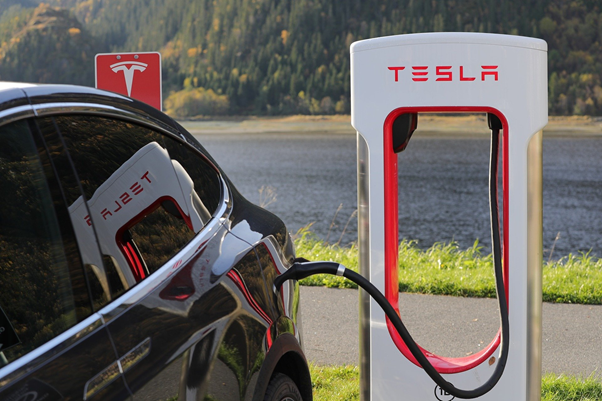
Pic Credit: Pixabay.
Geely’s Gamble With EV
Geely will use an open-source chassis, also called Sustainable Experience Architecture (SEA), to make the car. Unlike the dealership model, it will build its own showrooms in the cities to sell cars. The strategy, however, is also employed by Tesla, which has its factories in China.
The plan comes after the automaker completed a series of tie-ups with firms early this year that will be playing a significant role in the production of the vehicle.
China’s EV market has been a key focus of the global auto giants which are developing new cars at breakneck speed to capture a slice of the action. While some are traditionally from the EV world, like Tesla, others are switching to EV cars in keeping up with the trends.
Volkswagen, Toyota, Hyundai, and SAIC Motor have also launched their EV models. To ride out the competition, the Hangzhou-based company is mulling giving shareholding rights to buyers to boost sales, sources say.
Geely also plans to make Volvo all-electric by 2030. It had acquired the Swedish car company in 2010. According to an industry estimate, China’s leading domestic EV brands NIO, Xiaopeng, and Li Xiang saw a 350-percent sales growth in January 2021. NIO had also led the overall sales volumes in 2020, compared to other EV brands in China. Renewable energy vehicles are likely to account for 20 percent of China’s annual auto sales by 2025.
