
 AUS
AUS
 NZ
NZ
 UK
UK
 CA
CA
 USA
USA
 IND
IND






Highlights
- Australia’s gas crisis has added to the burden of rising costs for households, with adverse weather being an added challenge.
- The gas trigger can be pulled to ease the supply-side pressure in the country, though it may not directly help regulate prices.
- Bringing back inactive coal mines and adopting renewable energy are other sources of easing supply constraints.
Australia’s gas crisis has quickly engulfed the entire nation into a worrisome scenario, adding to the existing burden of rising living costs. Amid a supply crunch, gas prices have risen to unprecedented highs and are becoming the latest cause of worry.
The Australian Energy Market Operator (AEMO) has identified a gas supply shortfall trigger event at South Australia, Victoria, and Tasmania regions. These states have seen the deepest impact of the ongoing gas shortage. According to the AEMO, the event was triggered by “prevailing National Electricity Market supply, low reserve conditions, gas supply, pipeline capacity or market conditions and generators running on liquid fuel due to a shortage of gas supply.”
The country is also facing toughest weather conditions, with the winter season being extremely harsh this time around. As the cold weather takes hold, Aussies have been warned of potential gas shortages, which could further give a leg up to gas prices. Although the government has offered some relief measures to keep these prices under control, such measures may fall flat against international factors that may take more time to get resolved.
GOOD READ: Half a million Aussie motorists to get AU$750 cash rebate amid rising tolls
Is AGDSM an answer to restricted coal supply?
Increased coal supply is crucial to solving Australia’s gas problem. There is a high interdependence between gas and electricity, and thus, managing coal supply is important for controlling gas prices. Spot prices of coal have reached exorbitantly high levels across the globe. As Australian power suppliers are forced to look for alternative sources, they have no choice other than to pay these higher spot prices.
The Australian Domestic Gas Security Mechanism (AGDSM), which is a policy that can be triggered by the resources minister, was recently activated by the AEMO. The AGDSM is in place to ensure there is a sufficient supply of natural gas to fulfil the forecast needs of energy users within the country.
However, the mechanism can not come into effect until January 2023, which makes it a non-ideal solution to the problem. Additionally, the mechanism was not designed to tackle price hikes, like the one currently evident in Australia. Instead, it was intended to be a solution to the depleted supply of coal.
DO NOT MISS: How Albanese govt plans to breathe new life into Australian economy
Activating the gas supply guarantee mechanism
As per AEMO, the activation of the gas supply guarantee mechanism has prompted producers to operate at a higher capacity. The mechanism has called on producers to increase their supply. Consequently, the south-west Queensland pipeline into New South Wales, Victoria and South Australia was operating at 98% capacity last week.
This increased capacity highlights the collaborative efforts taken by operators alongside regulators in contributing to higher supply. However, the mechanism was turned off due to the lower demand caused by the easing of last week’s cold snap.
Other potential ways to increase gas supply
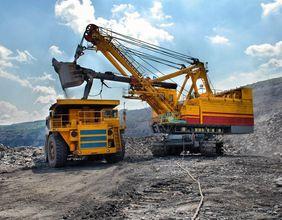
The government has also considered a number of other alternatives to ensure that coal supply returns to competitive levels. Even small actions such as bringing back flooded coal mines into action can help ease some of the supply-side pressures.
Reviving all available sources of coal generation online also seems to be the need of the hour. Coal is an essential ingredient in electricity generation as most of Australia’s power generators are coal-fired.
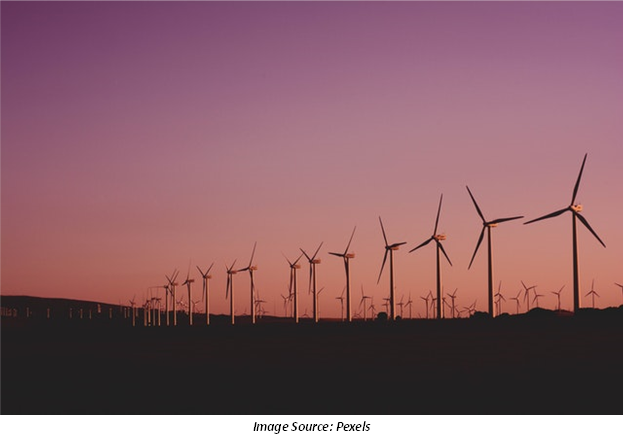
Renewable energy is another potential way to emerge out of the entire situation. It could eliminate the need to bring back a higher coal supply. This would require better storage and transmission measures to be integrated into the system. Besides, this would also be consistent with the country’s pledge to move towards net-zero emissions.
Amid the ongoing crisis, Treasurer Jim Chalmers has also promised policy action in the arena of gas prices. Though no clarity was given on the type of measures, Labor’s inclination toward climate-related policies is likely to help push a change in this area.
ALSO READ: Will Australia be able to solve gas supply shortage problem anytime soon?
