
 AUS
AUS
 NZ
NZ
 UK
UK
 CA
CA
 USA
USA
 IND
IND


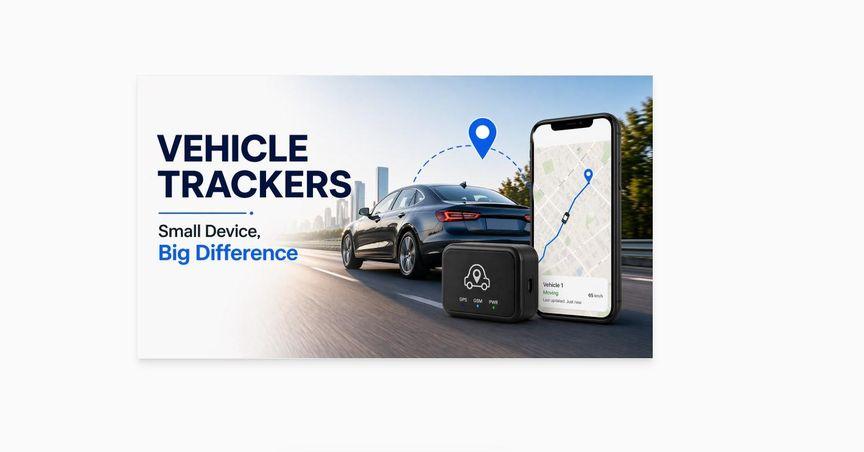




A vehicle tracker is not magic and it is not just a dot on a map. At its core, it is a location device built around GPS, the satellite system that sends positioning signals to a receiver. NOAA explains that GPS satellites orbit about 11,000 miles above Earth, and a receiver needs signals from four satellites to calculate a precise location. In other words, the tracker is only the front end. The real job happens when the device turns satellite data into something a driver, owner, or parent can read in plain language.
Why the timing matters now
Vehicle trackers matter because vehicle theft is still a live problem, even if the latest numbers are moving in the right direction. NICB says U.S. vehicle thefts fell 17% in 2024, dropping below one million for the first time since 2021, while the FBI reports that the nationwide motor vehicle theft rate rose from 199.4 incidents per 100,000 people in 2019 to 283.5 in 2023. NICB also reported another decline in the first half of 2025, when the national average theft rate fell from 126.62 to 97.33 per 100,000 residents. The trend says one thing clearly: theft is not disappearing, and anything that shortens the time between disappearance and recovery still has value.
The device is small. The system around it is what matters
Most modern trackers do more than report a vehicle’s location. Car and Driver notes that good units can add geofencing, trip history with timestamps, tamper alerts, speed logs, and even harsh braking or acceleration alerts. Real-time models usually rely on cellular data to send updates to an app or web dashboard, and some devices offer refresh rates from 15 to 60 seconds, with faster modes available on higher tiers. That is why a tracker should be thought of as a live information channel, not just a recovery tool after something goes wrong.
Different trackers solve different problems
The hardware choice changes the whole experience. OBD-II plug-in trackers are the easiest to install and can also provide basic vehicle-health data, but they are easier to spot and remove. Hardwired 12-volt units hide behind trim or in the engine bay, which makes them harder to find and better suited for theft recovery. Battery-powered trackers are the most covert and useful when a vehicle has no easy power access, but they need charging. That split matters because the best tracker is not the one with the longest feature list. It is the one that fits the risk you are actually trying to reduce.
The real value shows up before a crisis
A lot of people buy a tracker thinking only about theft, but day-to-day value often shows up earlier. If a car is shared, lent, or used by a teen driver, the device gives a record of where the vehicle went, when it moved, and whether it entered or left a set area. If a family wants a clearer handover of responsibility, geofencing and trip history reduce arguments because the data is already there. If a vehicle is used in a business context, the same information can support scheduling and route oversight without turning the conversation into guesswork. Even the simpler plug-in units can add basic vehicle-health data, which gives the owner one more clue when something starts to feel off.
Privacy is not a side issue
There is a darker side to all this convenience. The FTC warned in 2024 that connected cars can collect sensitive data, including location, and said that collection, use, and disclosure can threaten privacy and financial welfare. The agency also stressed that persistent, precise location data can reveal sensitive places people visit. Car and Driver adds a practical point that is easy to ignore: you should track a vehicle you own or have explicit permission to monitor, because secret tracking can run into privacy or anti-stalking laws. That is the part many marketing pages gloss over, but it is the part that keeps vehicle trackers on the right side of trust.
A tracker is useful only when it is used honestly
That is the real bottom line. A vehicle tracker works best when it is used for a clear reason, installed in the right way, and backed by a sensible policy for who can view the data and how long it is stored. When that happens, it becomes more than a gadget. It becomes a quiet layer of control in a world where vehicles move fast; theft still happens, and location data can easily be misused if no one draws a line.
The content has been authored in collaboration with our guest contributor, Abdullah Kamran.
