
 AUS
AUS
 NZ
NZ
 UK
UK
 CA
CA
 USA
USA
 IND
IND


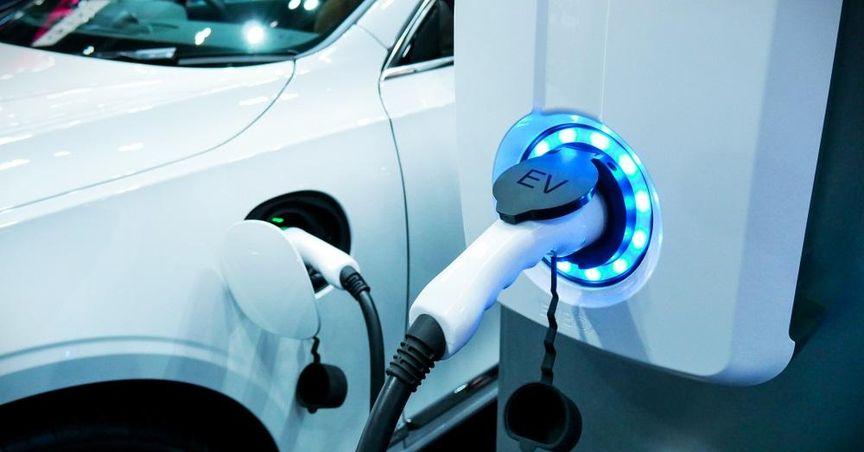





In a notable divergence from global trends, Canadian sales of battery electric vehicles (BEVs) and plug-in hybrid electric vehicles (PHEVs) have achieved record-breaking figures in the second quarter of this year, according to the latest data from Statistics Canada. This surge comes at a time when the global electric vehicle (EV) market is grappling with production slowdowns and shifting plans due to declining demand.
Historic Market Share and Registrations
In the second quarter, low-emission vehicles—including BEVs, PHEVs, and non-plug-in hybrids—captured a record 20.9% of the total new motor vehicle registrations. For the first time, registrations for these vehicles surpassed 100,000 in a single quarter. This record-setting performance is particularly striking given the overall new vehicle registrations reached 511,173, marking a nearly 25% increase from the previous quarter and an 8% rise year-over-year.
BEVs alone saw registrations reach 48,489 units, reflecting a 42% increase from the previous quarter and a 36% rise from the same period last year. PHEV registrations also surged to 17,244 units, up 43% year-over-year. Collectively, BEVs and PHEVs made up 9.49% and 3.37% of total vehicle registrations, respectively.
Regional Highlights
Quebec led the charge in low-emission vehicle sales, accounting for more than half of all BEV registrations, followed by British Columbia. The prevalence of cheap electricity in these provinces may be bolstering the attractiveness of plug-in vehicles, as noted by Erik Johnson, a senior economist at BMO. Johnson suggested that Quebec’s and B.C.’s favorable energy prices make the economics of plug-in vehicles more compelling compared to other regions.
Supply Chain Improvements and Market Dynamics
The dramatic increase in registrations is partly attributed to an improvement in vehicle supply, which had been constrained for over two years. Johnson explained that the significant inventory shortages during the pandemic led consumers to either turn to the used car market or delay purchases. However, since late last year, inventory levels have started to recover, which has likely contributed to the spike in new vehicle registrations.
The market dynamics are also influenced by a wider and more diverse range of vehicle models becoming available. Johnson noted that despite a higher volume of overall vehicle sales, low-emission vehicles continue to attract consumer interest, demonstrating their growing appeal.
Future Outlook and Challenges
Looking ahead, Johnson emphasizes that continued subsidies will play a crucial role in sustaining the momentum for low-emission vehicle sales. There is also a pressing need for a significant boost in sales in Ontario, where low-emission vehicle adoption lags behind Quebec despite Ontario's larger population.
A key challenge for the North American market will be the availability of more affordable, mass-market EV models. Johnson highlighted the potential impact of competitive pricing from global markets, including cheaper Chinese EVs, on the market. The ability of producers to introduce a broader range of globally competitive, smaller EVs will be critical in filling gaps in the current market landscape.
