
 AUS
AUS
 NZ
NZ
 UK
UK
 CA
CA
 USA
USA
 IND
IND


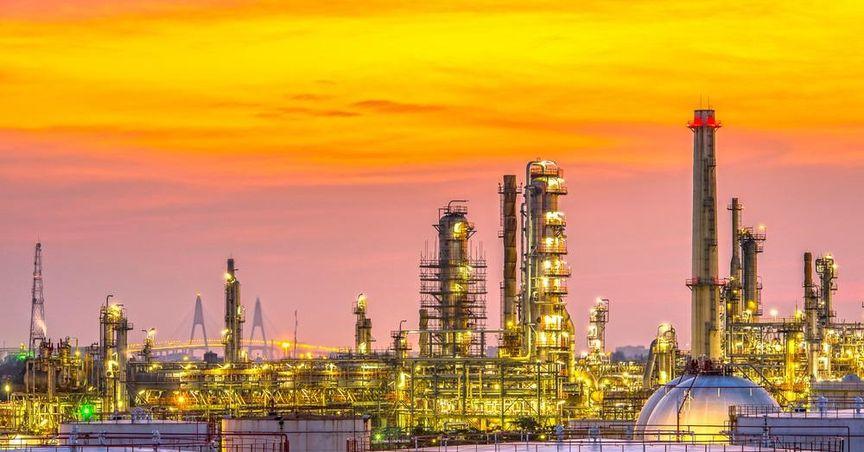





Debt is an essential financial tool for businesses, helping them expand operations, fund innovation, or enhance market presence. However, debt also comes with its challenges. The question lies not in whether a company uses debt but how much that debt could pose a challenge to its overall stability.
Imperial Oil Limited, a major player in the oil and gas sector, provides an insightful case to explore how debt impacts a company's financial structure. The brand, with its long-standing industry presence and backed by ExxonMobil, is well-known for its energy production and refining capabilities. However, even renowned entities like Imperial Oil face risks when they carry debt on their balance sheet.
Debt Risk in Business
Debt offers growth opportunities but must be managed carefully. When debt grows beyond a company’s ability to service it, challenges arise. Financial institutions that extend loans to companies will expect repayment, and if a company is unable to meet these obligations, serious consequences may follow. In extreme cases, this could lead to liquidation or restructuring, scenarios where shareholders may face diluted stakes or lower returns.
For companies like Imperial Oil Limited (TSX:IMO), balancing debt and cash flow is crucial. This equilibrium ensures that while debt may be used to fuel operational or growth initiatives, it does not exceed the firm’s capacity to maintain financial health. Understanding the dynamics of how businesses like Imperial Oil manage this balance helps illuminate broader trends across sectors like oil and gas.
Assessing Debt’s Impact
To properly review the impact of debt on a company, it’s important to examine both its cash reserves and outstanding liabilities. Debt alone may not be alarming, but if it outweighs cash or productive assets, this imbalance can cause concerns. A company with significant debt may face pressures from creditors, restricting flexibility in its operations. Moreover, debt servicing — the process of paying off loans with interest — can also reduce available cash for reinvestment.
In the case of Imperial Oil Limited, the company has demonstrated responsible debt usage by balancing its obligations with sufficient cash reserves. However, like any business in the oil and gas sector, market fluctuations and external pressures can still affect performance. This makes regular monitoring of debt levels essential to ensure long-term sustainability.
Navigating the Risk
Understanding debt risk in companies like Imperial Oil requires recognizing the broader implications of industry dynamics. In industries such as oil and gas, where price volatility is common, the balance between debt and operational cash flow is crucial. Monitoring this balance allows stakeholders to gauge the long-term sustainability of the business without solely focusing on short-term price movements.
Debt, when managed well, can be a catalyst for expansion and operational enhancement. However, when it outweighs a company’s capacity to repay, it becomes a liability that can hinder growth. Imperial Oil Limited remains an example of how a major company can navigate the challenges of debt while continuing to hold its position in a competitive and capital-intensive industry.
