
 AUS
AUS
 NZ
NZ
 UK
UK
 CA
CA
 USA
USA
 IND
IND






Highlights
- China Gold International Resources reports significant operational improvement and stronger quarterly performance
- Shares have experienced substantial growth over recent months and the year-to-date period
- Company trades at a valuation lower than industry averages, indicating notable market interest
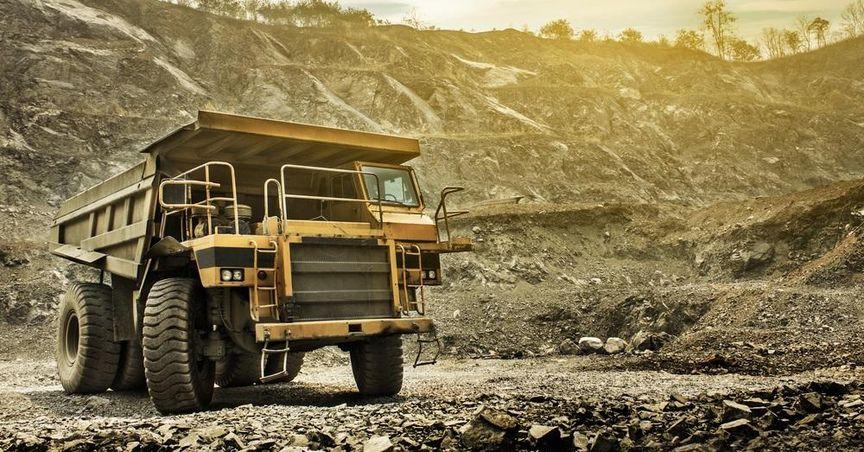
China Gold International Resources operates in the mining and metals sector, specializing in gold exploration, development, and production primarily in China. This sector is characterized by its cyclical nature.
China Gold International Resources (TSX:CGG) operates in a sector influenced by commodity fluctuations, international demand, and operational effectiveness. Companies in this industry frequently encounter challenges such as resource extraction complexities, environmental compliance requirements, and geopolitical factors. Has shown operational strength, consistently reporting strong quarterly results alongside increased production levels. Its mining sites are strategically positioned in areas with high-quality deposits, ensuring access to valuable mineral reserves that sustain ongoing operations. The company’s exploration strategy blends advanced geological methods with established mining practices, enabling regular discovery and efficient utilization of resources.
How has recent performance changed dramatically
Posted an increase in production metrics in recent reporting periods, showing a significant improvement compared to previous years. Operational outputs have expanded, supported by increased efficiency at key sites. The company’s quarterly updates indicate growth in metals and mining and overall operational throughput. Several key mining sites have contributed to higher extraction volumes, alongside improved ore processing techniques. These operational gains have enhanced resource management, contributing to broader operational effectiveness. The third-quarter disclosures highlighted a marked improvement in results across multiple locations, reflecting the company’s ongoing optimization initiatives. Cost control measures, including improvements in energy usage and labor efficiency, have also contributed to enhanced operational performance.
Why has the share value surged recently
Shares of have experienced a sharp upward trend over the past reporting periods. This growth in market valuation reflects a combination of operational improvements and heightened trading activity. Market participants have noted a positive shift in the company’s operational profile and stronger output metrics, contributing to the momentum. The share value increase correlates with a period of heightened production, stable operational efficiency, and consistent reporting of quarterly gains. Compared to peers in the Canadian mining sector, has shown one of the more pronounced surges in market engagement. This trend is often observed when companies transition from development-heavy operations to consistent production output. The market's response appears to mirror both quantitative improvements in operational metrics and qualitative confidence in long-term operational stability.
What valuation metrics describe current situation
A that remains below the sector and peer average. This metric is widely used to evaluate relative valuation, indicating what the market is willing to exchange for a unit of earnings. Compared to other mining companies in Canada, the ratio for lower, highlighting a relative pricing difference. The recent surge in earnings has yet to be fully reflected in valuation metrics, resulting in a gap between operational gains and market assessment. Evaluating in the context of consistent production improvement provides insight into market perception. Companies demonstrating newly achieved operational efficiency and higher-quality outputs often experience an adjustment in valuation over time, and exemplifies this scenario.
How does performance compare to peers
When assessed against similar companies in the metals and mining sector, maintains a favorable position in multiple metrics. Peer companies in Canada often trade at higher multiples, reflecting historical stability or market confidence. (TSX:CGG), having recently reported improved results, has not yet fully aligned with these broader benchmarks. Operational metrics such as production volume, efficiency ratios, and extraction quality compare favorably with competitors, underscoring its enhanced performance. Market valuation lags relative to operational achievements, highlighting a period of potential adjustment. Comparative analysis shows achieving key operational benchmarks faster than several peers, contributing to recent recognition in the sector.
What contributed to improvement recently
The increase in results reported by stems from several operational factors. Enhanced resource extraction at main mining sites, combined with upgraded processing facilities, has led to higher outputs. Optimization of existing assets has lowered unit operating costs, supporting improved operational metrics. Strategic adjustments in workforce deployment, scheduling, and technology integration have streamlined daily operations. Additionally, better quality ore from key sites has enhanced overall performance, resulting in noticeable changes in reported figures. These operational improvements reflect the company’s focus on effective resource management and productivity gains. Consistent monitoring and incremental upgrades in equipment, technology, and site management have collectively driven the observed growth in reported metrics.
Why momentum remains a key factor now
The ongoing momentum is tied to its operational trajectory and recent reporting. As the company continues to deliver stronger outputs, market activity has reflected these results. Sustained operational gains and consistent reporting encourage attention to trading activity and sector engagement. Momentum in this context is linked to both quantitative performance indicators and qualitative market perception. The company’s ability to maintain or enhance production levels over successive reporting periods supports this observed trend. Operational improvements, combined with a relatively lower market valuation, create conditions for continued sector focus. Momentum remains an observable characteristic in recent market activity, particularly given the broader context of Canadian metals and mining performance.
How does company efficiency compare industry
(TSX:CGG) demonstrates operational efficiency metrics that exceed many industry averages. Improvements in resource management, reduced extraction waste, and streamlined processing have enhanced output quality. Unit operations have been optimized through targeted upgrades, reducing operational friction and improving throughput. Efficiency is measured not only in volume produced but also in resource utilization and cost management. Compared to the Canadian metals and mining industry, shows better ratios of output to operational input, reflecting improved site management and productivity practices. These enhancements are visible across reporting metrics, highlighting a trend toward higher operational sustainability and improved resource use.
What role does global demand influence
Global demand for gold and other precious metals continues to impact operational environment. Fluctuations in international commodity consumption affect extraction priorities, production planning, and operational adjustments. While the company primarily operates domestically, international trends influence strategic decision-making, particularly in resource allocation and operational scale. Demand signals guide scheduling, processing, and long-term operational strategies. Has managed to align output levels with current global demand indicators, balancing production with market expectations. As global demand evolves, operational decisions are informed by both local extraction conditions and international market trends, ensuring alignment with sector activity.
How does production growth impact valuation metrics
Growth in production directly influences evaluation metrics. Higher operational output results in stronger reported metrics, affecting the ratio of market valuation to reported earnings. Companies demonstrating operational expansion often see market alignment occur gradually as reporting continues. (TSX:CGG) recent production growth has strengthened the numerical basis for valuation calculations, supporting sector comparisons. Enhanced outputs, coupled with operational improvements, provide a comprehensive view of performance efficiency and sector position. Market assessment metrics reflect a combination of quantitative growth and operational quality, positioning in a distinctive segment of the mining sector relative to peers.
What efficiency improvements are most notable
Efficiency improvements at include optimized extraction methods, upgraded processing technology, and improved workflow management. Workforce deployment and scheduling adjustments have reduced downtime and enhanced site productivity. Equipment upgrades and process automation have minimized waste and improved extraction rates. These operational changes contribute to a more streamlined production cycle, providing consistent outputs. Efficiency gains are observed in both direct resource utilization and overall operational throughput. The implementation of incremental technological upgrades ensures continuous improvement, supporting enhanced reporting and output quality.
How do operational affect performance metrics
Operational risks in mining, including environmental, logistical, and site-specific challenges, can influence reported results. Effective management of these risks, including regulatory compliance and safety measures, ensures consistent production performance. Operational disruptions are minimized through planning, preventive maintenance, and site-specific risk mitigation strategies. By addressing potential operational hazards proactively, the company maintains steady extraction and processing levels. Risk management in this context is closely tied to consistent production quality, operational continuity, and reporting stability.
What sector trends influence company operations
(TSX:CGG) is affected by sector trends including commodity pricing, technological innovation, and exploration advancements. Developments in extraction technology, resource modeling, and metallurgical processing shape operational planning and efficiency. Global and regional commodity demand trends influence operational scale and site prioritization. Canadian regulatory standards and environmental practices guide operational decision-making and long-term site development. Sector trends also affect labor allocation, equipment procurement, and resource management strategies, ensuring alignment with broader market conditions and technological evolution.
What factors support ongoing operational growth
Several factors support operational expansion. These include site optimization, technological upgrades, and improved workflow management. Strategic deployment of workforce resources ensures consistent extraction levels, while enhanced processing facilities contribute to improved output quality. Resource allocation planning and continual monitoring of site performance support sustained operational growth. These factors collectively contribute to a stronger operational profile and enhanced reporting metrics, reflecting ongoing improvement in output quality and efficiency.
What metrics illustrate company production trends
Production trends are evident through extraction volumes, site efficiency metrics, and output quality indicators. Operational reporting highlights improvements in throughput, ore quality, and reduced resource wastage. Comparative analysis with past reporting periods demonstrates incremental operational gains. Metrics such as unit output per site, processing efficiency, and extraction effectiveness provide a detailed view of production trends. These metrics offer insight into the company’s operational trajectory and effectiveness in resource management.
How do valuation comparisons indicate market position
Valuation comparisons highlight position relative to sector peers. The company’s reported metrics, when analyzed alongside peer multiples, indicate a relative pricing gap. A lower ratio compared to peer averages reflects market perception relative to reported operational performance. Valuation benchmarks provide context for assessing operational efficiency and sector standing. Demonstrates stronger operational performance metrics while maintaining a lower valuation ratio compared to peers, reflecting a notable positioning within the Canadian metals and mining sector.
What role does site optimization play performance
Site optimization at (TSX:CGG) contributes directly to output quality and operational efficiency. Adjustments in equipment deployment, workforce scheduling, and resource allocation reduce downtime and improve throughput. Optimized site layouts facilitate smoother operational workflows, increasing extraction rates. Continuous monitoring of site performance ensures that operational targets are met consistently. Strategic site management practices are a central factor in achieving improved reporting metrics and operational sustainability.
