
 AUS
AUS
 NZ
NZ
 UK
UK
 CA
CA
 USA
USA
 IND
IND







Highlights
- Canadian National Railway gains renewed market attention
- Rail network strength supports industrial relevance
- Freight demand keeps transport operations in focus
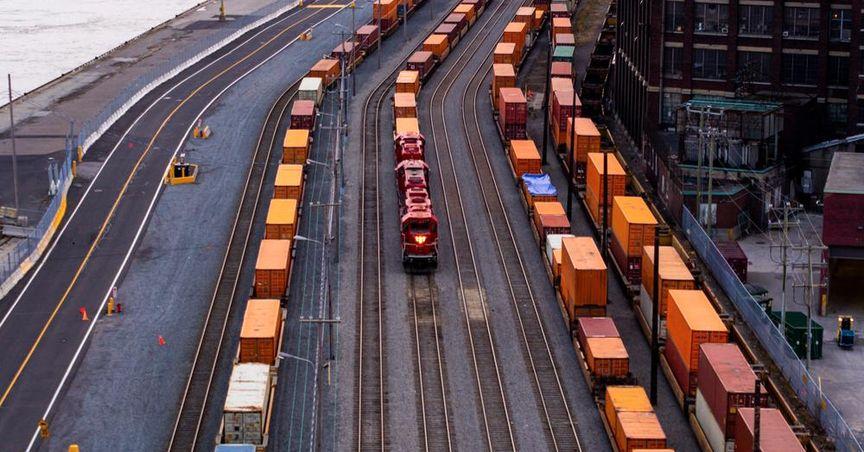
Canadian National Railway (TSX:CNR), a major North American freight railway operator, is drawing renewed attention as its market momentum places the company firmly in discussion around the S&P TSX Composite. The company’s broad rail network connects Canadian ports, inland trade corridors, industrial centres, and major United States markets, making it one of the most important transportation businesses in Canada’s listed market. Its latest movement has brought focus back to freight volumes, operating efficiency, rail infrastructure, and the long-term role of transportation networks in supporting trade across North America.
Rail Network Strength Across North America
Canadian National Railway operates one of the most extensive rail systems in North America, connecting Canada’s eastern and western coasts with major trade corridors in the United States. This network supports the movement of natural resources, manufactured goods, agricultural products, consumer items, and finished materials.
Rail transport remains a core part of economic activity because it allows large quantities of goods to move efficiently over long distances. For a country as geographically broad as Canada, rail infrastructure plays a critical role in connecting producers, ports, distribution hubs, and export markets.
The company’s network gives it exposure to multiple industries rather than a single customer group. This diversity helps shape its business profile, as freight activity can come from energy, agriculture, metals, forest products, automotive goods, and consumer supply chains.
Industrial Transport Market Relevance
Canadian National Railway belongs within TSX Industrial Stocks because its operations are tied to transport infrastructure, logistics, supply chains, and economic movement. Rail companies are often viewed as industrial backbone businesses because they support other sectors rather than operating only within one product category.
Freight railways serve as essential connectors between industries and markets. Their relevance depends on network reach, service reliability, cost discipline, and the ability to manage complex logistics across regions.
Canadian National Railway’s position within this sector reflects its infrastructure depth. Rail assets are difficult to replicate, and established routes can create long-term strategic importance. This gives the company a distinctive place within Canada’s industrial landscape.
Market Sentiment Around the Latest Move
The latest upward movement in Canadian National Railway shares has brought valuation and operating performance into sharper focus. Market participants are looking at the company’s recent strength through the lens of freight demand, operating margins, network efficiency, and broader transportation trends.
When a major rail company gains attention, the conversation often extends beyond daily trading movement. It usually includes questions around economic activity, supply chain health, customer demand, and capital in infrastructure.
For Canadian National Railway, sentiment appears tied to its role as a high-quality transport operator with a broad asset base. However, the stronger market focus also increases scrutiny around valuation, cost pressures, debt levels, and execution across its large network.
Freight Corridors and Trade Flow Importance
Canadian National Railway’s rail lines serve key corridors that connect domestic and cross-border markets. These corridors help move goods from production areas to ports, factories, warehouses, and end markets.
The company’s network supports trade between Canada and the United States while also linking exporters to global shipping routes. This makes rail performance important not only for company results but also for broader supply chain efficiency.
Freight corridors are especially important for industries that rely on bulk transport. Rail can move heavy and high-volume goods more efficiently than many alternatives, making it central to sectors such as agriculture, energy, forestry, and metals.
Operating Efficiency as a Core Theme
Railway performance is closely tied to operating efficiency. Companies must manage train speeds, terminal performance, fuel use, labour scheduling, equipment availability, and network capacity.
Canadian National Railway’s ability to move freight efficiently influences customer service, margins, and asset utilisation. A well-managed rail network can support stronger service reliability and better cost control.
Operating efficiency also becomes more important when demand conditions shift. During stronger freight periods, capacity management is critical. During softer periods, cost discipline becomes more important. Rail companies must therefore remain flexible while maintaining network reliability.
Freight Diversity Supports Business Stability
One of Canadian National Railway’s strengths is freight diversity. The company transports a wide range of goods, reducing reliance on one commodity or customer category.
Agricultural shipments can be influenced by crop cycles and export demand. Energy shipments can move with commodity activity. Intermodal freight is tied to consumer goods, imports, exports, and retail supply chains. Industrial products reflect manufacturing and construction-related activity.
This mix gives the company exposure to several parts of the economy. While some categories may soften at times, others can remain active, helping support overall network utilisation.
North American Supply Chain Role
Canadian National Railway plays a significant role in North American supply chains. Its rail system connects ports, inland terminals, manufacturers, and distribution networks.
Supply chains depend on predictable transportation. Delays in freight movement can affect manufacturers, retailers, exporters, and customers across multiple sectors. This makes rail reliability a major factor in broader economic performance.
The company’s ability to serve long-haul routes gives it a strategic advantage. Rail can move large freight volumes with efficiency, supporting industries that require dependable logistics over long distances.
Infrastructure Investment and Network Reliability
Rail infrastructure requires continuous maintenance and investment. Tracks, bridges, terminals, locomotives, and technology systems must be upgraded and maintained to ensure safe and efficient operations.
Canadian National Railway’s long-term relevance depends on disciplined infrastructure spending. Rail companies must balance capital investment with financial performance, ensuring that network quality remains strong without placing excessive pressure on returns.
Technology also plays a growing role in railway operations. Digital systems can help monitor equipment, improve scheduling, enhance safety, and support better customer visibility. These tools are increasingly important as rail networks become more complex.
Economic Activity and Freight Demand
Freight rail performance is closely linked to economic conditions. When industrial activity, trade flows, and consumer demand are strong, rail volumes may benefit. When economic conditions soften, freight volumes can face pressure.
Canadian National Railway’s broad exposure gives it a useful position in reading economic activity. Its freight mix touches many areas of the economy, from raw materials to finished goods.
The company’s recent market attention therefore reflects more than company-specific sentiment. It also highlights broader interest in transportation as a signal for Canadian and North American economic movement.
Debt Profile and Financial Discipline
Financial discipline remains important for railway operators. Large infrastructure networks require capital, and companies often carry debt to support investment, maintenance, and strategic development.
Canadian National Railway’s debt profile forms part of the market discussion because financial flexibility matters in capital-intensive industries. Rail companies must continue funding infrastructure while managing shareholder expectations and operating needs.
A disciplined balance sheet can help support resilience during changing economic conditions. It can also provide flexibility for network upgrades and long-term planning.
Market Valuation Discussion
The recent strength in Canadian National Railway shares has brought valuation into focus. When a stock approaches stronger trading levels, the market often reassesses whether the business fundamentals align with the move.
For Canadian National Railway, valuation discussion includes freight volume trends, operating efficiency, pricing power, capital spending, and economic exposure. The company’s established network and market position support its long-term relevance, but valuation still depends on execution.
Railway stocks can attract attention because of infrastructure quality and durable market positions. However, they remain sensitive to economic cycles, cost pressures, and trade activity.
Insider Activity and Confidence Signals
Recent insider activity has added another layer to the market conversation. Insider purchases can sometimes be viewed as a sign of confidence in a company’s long-term position, though market interpretation can vary.
For Canadian National Railway, such activity has added interest because it comes alongside stronger share movement and positive market sentiment. However, operating results, freight trends, and capital discipline remain the primary drivers of the broader narrative.
Market participants often look at insider activity as one supporting data point rather than a complete signal. In the case of a major railway, network performance and economic exposure remain central.
Competitive Rail Landscape
Canadian National Railway operates in a competitive transport environment. Rail competes with trucking, marine routes, pipelines for certain commodities, and other logistics providers.
Rail advantages typically include efficiency over long distances, large-volume movement, and lower per-unit transport costs for many goods. However, trucking can provide flexibility and faster short-haul delivery in certain markets.
The company’s ability to maintain service quality and pricing discipline is important in this competitive setting. Strong customer relationships and reliable transit times help support long-term freight demand.
Sustainability and Rail Efficiency
Rail transport is often viewed as an efficient mode of freight movement, particularly for long-distance shipments. As businesses focus more on supply chain emissions and logistics efficiency, rail can remain an important part of sustainable freight planning.
Canadian National Railway’s network can support customers seeking efficient transportation solutions. However, the company must continue managing fuel efficiency, emissions initiatives, and infrastructure quality to support this positioning.
Sustainability discussions in freight transport are likely to remain important as companies evaluate environmental impact across supply chains.
Broader Market Implications
Canadian National Railway (TSX:CNR), latest market move highlights the importance of transport infrastructure within Canadian equities. Rail companies are not just industrial operators; they are economic connectors that support trade, supply chains, and regional development.
The company’s broad reach gives it a meaningful role in the movement of goods across North America. This makes its market performance relevant to discussions around economic resilience, industrial activity, and infrastructure strength.
