
 AUS
AUS
 NZ
NZ
 UK
UK
 CA
CA
 USA
USA
 IND
IND


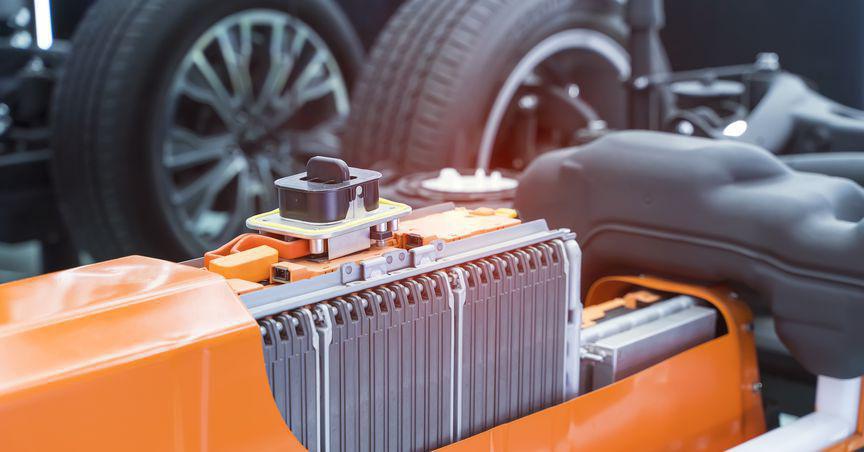



Electra Battery Materials (TSXV:ELBM) has announced a significant step forward in sustainable battery production by forming a joint venture named Aki Battery Recycling. This new partnership, established with the Indigenous-owned economic development agency Three Fires Group, aims to produce battery black mass by recycling lithium-ion scrap, marking a pivotal move towards a circular economy in the electric vehicle (EV) supply chain.
Based in Toronto, Aki Battery Recycling will focus on sourcing and processing lithium-ion battery waste from manufacturers. The joint venture plans to build a facility in Southern Ontario, where it will produce black mass—a concentrated mixture of essential battery metals like lithium, nickel, cobalt, copper, manganese, and graphite. This black mass will then be processed using Electra’s proprietary technology at its Ontario hydrometallurgical refinery to recover these critical minerals, ultimately reintegrating them into the battery supply chain.
By implementing an advanced battery shredding process, the venture aims to significantly reduce the carbon footprint associated with the EV supply chain and decrease reliance on foreign sources for essential minerals. This initiative not only supports the sustainability goals of both companies but also aligns with the broader movement towards more environmentally responsible battery production.
Electra’s CEO, Trent Mell, highlighted the joint venture's commitment to addressing the environmental challenges posed by battery waste. “Aki Battery Recycling aims to address the environmental impact of future battery waste in Ontario and beyond by returning battery scrap back into the supply chain,” he stated. “This venture not only aligns with our mission to onshore North America’s EV battery supply chain, but to do so sustainably and through a scalable solution to meet the growing needs of the North American electric vehicle industry.”
The establishment of Aki Battery Recycling comes at a time when several electric vehicle facilities are being developed across the Three Fires Confederacy treaty areas in southwestern Ontario. Electra’s immediate priority is to recommission and expand its cobalt refinery, positioning itself as a key player in the North American EV market.
As the demand for lithium-ion batteries surges, Circular Energy Storage projects that the global volume of batteries available for recycling or reuse will skyrocket from 23.3 gigawatt hours (GWh) in 2023 to an astonishing 376.1 GWh by 2035. This shift underscores the critical need for sustainable recycling solutions, making Electra's venture a timely and impactful development in the evolving landscape of battery production and waste management.
