
 AUS
AUS
 NZ
NZ
 UK
UK
 CA
CA
 USA
USA
 IND
IND






Highlights
RocketDNA expanded its autonomous drone partnership with BMA across mining operations.
Mining automation and industrial drone systems remained major technology themes.
Autonomous aerial infrastructure continued gaining traction within resource operations.
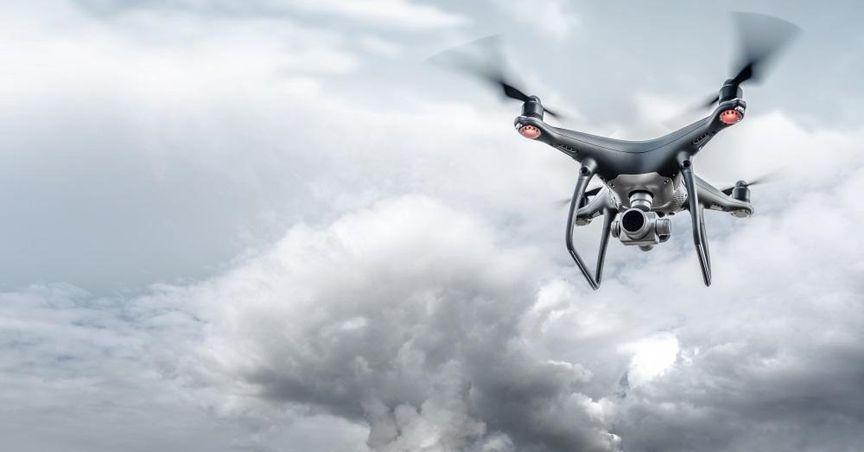
RocketDNA expanded autonomous drone deployment activity with BMA as mining automation and industrial aerial technologies gained stronger traction across Australia’s resource sector.
Australia’s mining technology sector continued evolving as industrial automation, aerial intelligence systems and autonomous operational infrastructure attracted stronger attention across the resource industry. Mining companies, technology providers and industrial service operators have increasingly integrated automation systems into large-scale operational environments as efficiency, site monitoring and digital infrastructure become more central to modern resource operations. Within this broader industrial landscape, companies associated with autonomous technologies continued gaining visibility alongside discussions surrounding ASX 300 mining innovation and industrial digitalisation activity.
RocketDNA Ltd (ASX:RKT) expanded its autonomous drone partnership with BMA, contributing to one of the largest drone deployment programs currently operating across Australian mining environments. The latest operational development highlighted growing industry adoption of autonomous aerial systems across large-scale resource infrastructure as mining companies continue modernising operational frameworks through digital technologies and remote monitoring platforms.
Autonomous drone systems have become increasingly important across industrial sectors because they support operational visibility, infrastructure monitoring, mapping and asset management within complex work environments. Mining operations in particular have accelerated technology adoption due to the scale, geographic spread and operational demands associated with modern resource production.
The latest partnership expansion reflected broader mining sector momentum surrounding automation infrastructure and industrial digital transformation. Resource companies operating across large-scale mining sites continue integrating autonomous technologies capable of supporting operational efficiency and real-time data management across extensive project environments.
Drone technology has evolved rapidly within industrial applications over recent years. Initially associated with aerial photography and surveying functions, autonomous drone systems are now widely integrated into mining operations, construction infrastructure, energy facilities and logistics networks.
The growing deployment of autonomous aerial systems across mining operations reflects broader structural changes occurring throughout the global resource industry. Companies increasingly rely on digital technologies, automation infrastructure and operational intelligence systems capable of improving monitoring capability and supporting remote operational management.
Mining technology businesses frequently appear alongside broader discussions tied to asx all ords activity and industrial innovation trends across Australia’s resource sector.
Mining Automation Continues Reshaping Resource Operations
Mining automation has become one of the defining operational themes across the global resource industry as companies pursue more integrated and technology-driven operational frameworks. Automation systems now influence multiple areas of mining activity including drilling, transportation, infrastructure monitoring and site management.
RocketDNA’s expanded partnership activity reflects this broader transformation occurring across industrial mining environments. Autonomous drone systems have become especially valuable within large-scale resource operations because they support aerial inspections, environmental monitoring, mapping and operational visibility across geographically dispersed infrastructure.
The mining industry itself presents unique operational challenges due to the scale and complexity associated with large resource projects. Open-pit operations, processing infrastructure, haulage systems and remote operational environments all require continuous monitoring and data collection.
Autonomous aerial systems therefore continue attracting stronger industry attention because they can operate within complex environments while supporting operational efficiency and infrastructure oversight. Mining companies increasingly integrate drone technology into broader operational workflows connected to planning, safety management and infrastructure monitoring.
Digital transformation within mining operations has accelerated considerably due to broader industry focus on operational efficiency and infrastructure modernisation. Autonomous systems, industrial sensors and real-time data platforms have consequently become increasingly important components of contemporary mining environments.
Resource companies operating across large-scale industrial sites continue prioritising technologies capable of supporting automated workflows and operational intelligence gathering. Drone systems operating within these environments therefore maintain growing strategic relevance across the mining sector.
RocketDNA’s latest operational expansion contributes to wider industry discussions surrounding industrial automation and technology integration across Australia’s mining landscape.
Autonomous Drone Infrastructure Gains Industry Visibility
Autonomous drone technology has rapidly expanded beyond experimental deployment and entered mainstream industrial infrastructure environments. Mining operations, energy facilities, transport networks and large-scale construction projects increasingly utilise autonomous aerial systems for operational management and infrastructure oversight.
RocketDNA’s partnership activity with BMA reflects broader operational trends shaping the industrial technology sector. Autonomous drones are now frequently integrated into workflows involving terrain mapping, stockpile measurement, asset inspection and environmental observation.
Industrial drone systems continue gaining stronger visibility because they support operational continuity while reducing manual site inspection requirements across large and remote infrastructure environments. Resource companies in particular benefit from technologies capable of monitoring expansive operational regions efficiently and consistently.
The evolution of drone infrastructure has also coincided with broader advances in automation software, cloud-based operational systems and artificial intelligence-enabled processing environments. These technologies collectively support increasingly sophisticated industrial monitoring capability across multiple sectors.
Autonomous systems operating within mining environments frequently combine aerial imaging, remote sensing and digital processing technologies capable of generating operational insights and infrastructure visibility. The integration of these systems into mining workflows therefore reflects broader industrial digitalisation trends occurring globally.
Australia’s mining sector has emerged as one of the most active adopters of operational automation technologies because resource operations frequently span remote and highly complex environments. Drone technology consequently occupies an expanding role within the broader mining services and industrial infrastructure landscape.
Industrial automation businesses associated with resource technology continue attracting attention as digital transformation remains a central operational priority across mining and heavy industry sectors.
Digital Mining Technologies Continue Expanding
Digital infrastructure and operational technology systems have become increasingly integrated into resource industry operations. Mining companies now routinely utilise automation platforms, remote operational systems and digital monitoring technologies across several stages of project management and resource production.
RocketDNA’s latest deployment activity reflects broader sector momentum surrounding industrial technology integration and digital mining infrastructure. Autonomous aerial systems continue supporting operational intelligence capability across mining environments where infrastructure visibility and data collection remain critical operational requirements.
Mining technology companies operating within automation and aerial intelligence environments have gained stronger visibility because the resource sector continues modernising operational systems through digital integration and advanced infrastructure platforms.
The broader mining technology sector includes several rapidly evolving areas such as robotics, autonomous transport systems, industrial sensors, data processing infrastructure and remote operations management. Drone systems frequently operate as part of this wider digital ecosystem supporting industrial efficiency and operational oversight.
Industrial digitalisation has also become increasingly important within resource infrastructure management because mining operations often require continuous operational monitoring across extensive geographic areas. Autonomous aerial systems therefore continue playing larger roles within infrastructure inspection and operational planning environments.
Australia’s mining sector remains heavily connected to technological innovation due to the operational scale associated with major resource projects. Companies involved in industrial automation and operational technology consequently maintain growing relevance across the broader mining economy.
Technology-driven mining businesses frequently appear alongside conversations tied to ASX dividend stocks and industrial sector diversification across the Australian market.
Resource Sector Technology Adoption Accelerates
Technology adoption across the global resource sector has accelerated considerably as mining companies continue modernising operational systems and infrastructure management processes. Automation, artificial intelligence and remote monitoring technologies now influence several operational components across contemporary mining environments.
RocketDNA’s expanded deployment activity with BMA reflects this broader technological progression occurring throughout the mining industry. Resource companies increasingly integrate autonomous systems capable of supporting operational coordination and infrastructure oversight across complex industrial sites.
Drone systems have emerged as especially valuable tools within mining environments because they provide aerial operational visibility while supporting surveying, mapping and inspection workflows. Autonomous functionality further enhances operational efficiency by enabling continuous and repeatable monitoring capability.
The broader industrial automation landscape has additionally expanded as technology providers continue developing systems capable of integrating with digital operational platforms and industrial management infrastructure. Mining operations therefore continue evolving toward more connected and technology-driven operational environments.
Australia’s resource industry remains one of the country’s most technologically advanced industrial sectors due to the operational demands associated with large-scale mining infrastructure. Automation systems, remote operations capability and digital intelligence platforms consequently continue shaping broader mining sector activity.
The integration of autonomous drone systems into resource operations reflects broader structural shifts occurring across industrial infrastructure management and operational monitoring environments. Technology adoption across mining operations therefore remains closely tied to wider digital transformation trends influencing global industrial sectors.
