
 AUS
AUS
 NZ
NZ
 UK
UK
 CA
CA
 USA
USA
 IND
IND



Highlights
- NdPr oxide prices have climbed to their strongest levels in several years, drawing renewed attention to the rare earths market.
- Lynas Rare Earths (ASX:LYC), Iluka Resources (ASX:ILU) and Arafura Rare Earths (ASX:ARU) have yet to fully reflect the improvement in underlying commodity prices.
- The widening gap between stronger rare earth pricing and subdued equity performance has revived discussion around a potential sector re-rating.
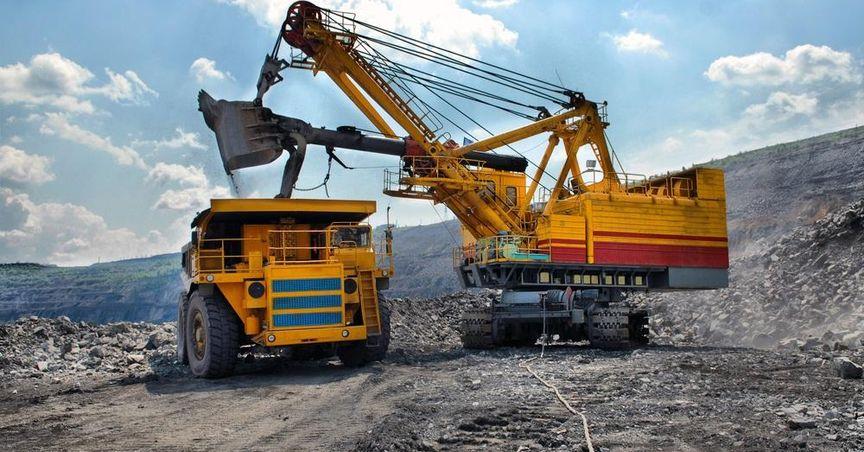
Australia's Metal & Mining Stocks sector has returned to the spotlight as rare earth prices continue strengthening while many listed producers and developers remain well below the momentum seen in the underlying commodity. The latest rally in praseodymium-neodymium (NdPr) oxide has renewed debate about whether the Australian market is underestimating the long-term earnings potential of companies exposed to critical minerals used across electric vehicles, renewable energy and advanced manufacturing.
Across the broader ASX 200 , commodity markets have remained mixed, with iron ore, gold, lithium and base metals responding to different economic and geopolitical influences. Rare earths have emerged as one of the stronger-performing commodity groups, yet that improvement has not translated into an equally strong recovery for many Australian-listed companies operating within the sector. This disconnect has encouraged investors to examine whether current equity valuations accurately reflect improving market fundamentals.
Why Rare Earth Prices Are Strengthening
Praseodymium-neodymium oxide, commonly referred to as NdPr, remains one of the most important rare earth products because it is used in the manufacture of high-performance permanent magnets. These magnets are essential components in electric vehicle motors, wind turbines, robotics, defence systems and a growing range of advanced industrial technologies.
Demand for magnet rare earths continues benefiting from global electrification trends and investment into clean-energy infrastructure. At the same time, governments across several regions continue prioritising secure supply chains for critical minerals, increasing strategic interest in rare earth production outside traditional supply centres.
Higher NdPr prices generally improve project economics for both established producers and companies progressing new developments. Stronger commodity pricing can enhance operating margins for producers while improving the commercial outlook for projects moving through financing, construction or development stages.
For this reason, the recent improvement in NdPr prices has naturally attracted renewed attention across Australia's rare earth sector.
Why ASX Rare Earth Stocks Have Lagged
Although commodity prices have strengthened, Australian rare earth equities have responded more cautiously. Companies such as Lynas Rare Earths (ASX:LYC), Iluka Resources (ASX:ILU) and Arafura Rare Earths (ASX:ARU) continue trading below the level of enthusiasm reflected in the underlying commodity market.
Several factors help explain this divergence. Equity investors often seek evidence that commodity price improvements will remain sustainable before assigning higher valuations to mining companies. Temporary commodity rallies do not always translate into stronger long-term earnings, particularly where projects remain under development or require significant capital investment.
Company-specific considerations also continue influencing share prices. Construction timelines, operational execution, project financing and regulatory approvals all affect investor sentiment independently of commodity movements. As a result, mining shares may temporarily disconnect from underlying commodity performance even during periods of improving market fundamentals.
The current environment illustrates this relationship. While NdPr prices have strengthened, investors remain focused on operational delivery, project execution and long-term demand visibility before reassessing company valuations.
Lynas, Iluka and Arafura Remain Central to the Sector
Lynas Rare Earths (ASX:LYC) remains Australia's most established rare earth producer and continues occupying a unique position within the domestic market. As a commercial producer of separated rare earth products, the company provides direct exposure to changes in NdPr pricing while benefiting from established production facilities and existing customer relationships.
Iluka Resources (ASX:ILU) is progressing the development of its Eneabba rare earth refinery, representing another important component of Australia's growing critical minerals industry. The project reflects broader efforts to expand downstream processing capability and strengthen non-Chinese supply chains for strategically important minerals.
Arafura Rare Earths (ASX:ARU) continues advancing its Nolans project, one of Australia's significant rare earth developments. Once operational, the project is expected to become an important supplier of NdPr materials to global manufacturing markets.
Although these businesses operate at different stages of development, all remain closely connected to the broader outlook for magnet rare earth demand. Their differing business models also explain why individual share-price performance may vary despite improving commodity conditions.
Why Critical Minerals Remain Strategically Important
Rare earth elements have become increasingly important because they support technologies that are central to global decarbonisation and industrial modernisation. Electric mobility, renewable energy generation, defence manufacturing and advanced electronics all depend on reliable supplies of high-performance magnetic materials.
Governments across Australia, North America, Europe and Asia continue introducing policies designed to strengthen domestic critical mineral supply chains while reducing reliance on concentrated sources of production. These initiatives have encouraged increased investment into mining, processing and downstream manufacturing capability.
Australian rare earth companies remain well positioned within this broader strategic shift because the country possesses significant geological resources alongside growing government support for critical mineral development.
As investment into clean energy and advanced manufacturing continues expanding globally, long-term demand for magnet rare earths is expected to remain an important area of market focus.
The recent improvement in NdPr prices has renewed interest across Australia's rare earth sector, yet many listed companies have not experienced the same level of share-price appreciation. This divergence has encouraged investors to reassess whether equity valuations fully reflect improving commodity fundamentals.
Lynas Rare Earths (ASX:LYC), Iluka Resources (ASX:ILU) and Arafura Rare Earths (ASX:ARU) each represent different stages of Australia's rare earth industry, from established production to major development projects. While project-specific risks remain important, stronger commodity pricing provides additional support for the broader sector.
As the market continues monitoring production updates, project milestones and global demand for critical minerals, the relationship between commodity prices and equity valuations is likely to remain one of the key themes shaping Australia's rare earth industry.
