
 AUS
AUS
 NZ
NZ
 UK
UK
 CA
CA
 USA
USA
 IND
IND





Highlights
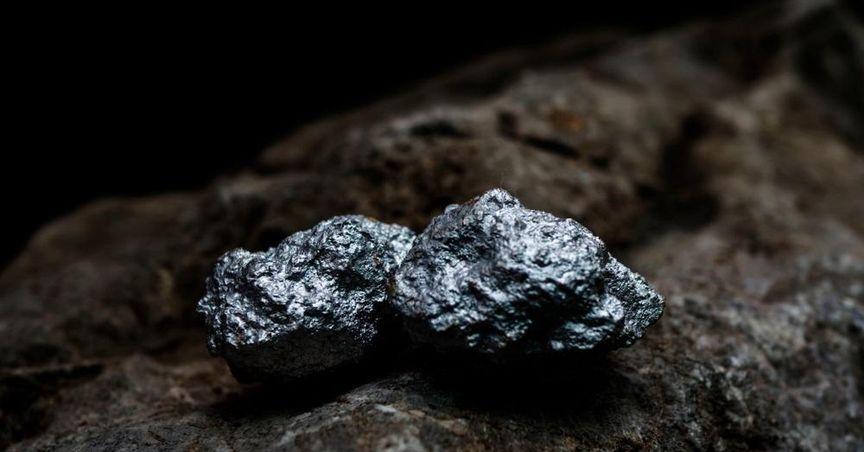
Rare earth minerals are being assessed through a sharper producer-versus-developer lens as supply-chain security, magnet metals demand and execution quality reshape ASX rare-earth market attention.
Rare earth minerals have moved back into the spotlight as the Australian market looks beyond broad commodity strength and asks a sharper question: who can actually execute? In a market where ASX 300 themes are being tested more carefully, names such as Northern Minerals and VHM are being viewed through the gap between developer ambition and production reality. For readers tracking ASX Metal & Mining Stocks, the rare-earth story is no longer just about strategic demand. It is about funding discipline, processing capability, project timing and whether companies can turn global supply-chain concern into credible operating progress.
Why Rare Earth Minerals Are Back In Focus
Rare earths sit at the centre of several powerful industrial themes. Magnet metals are used across electric vehicles, wind turbines, defence systems, electronics and high-performance industrial applications. That makes the category highly sensitive to supply-chain headlines, especially when China’s export controls and magnet licensing rules remain part of the global conversation.
Yet the Australian market is not treating every rare-earth name the same way. A producer with operating assets, customer channels and processing experience carries a different profile from a developer still working through approvals, funding and construction pathways. That distinction is now shaping the tone of the category.
Producer Or Developer Becomes The Big Split
The producer-versus-developer divide matters because rare earths are technically complex. Mining is only one part of the story. Processing, separation, customer qualification and offtake credibility can be just as important.
Lynas Rare Earths (ASX:LYC), one of the best-known rare-earth names in the Australian market, gives the sector a producer reference point. Its position helps frame how the market compares companies with operating history against earlier-stage names still building their pathway.
Developers such as RareX (ASX:REE) are assessed differently. Their stories often depend on project quality, resource confidence, permitting progress, funding access and strategic relevance. The theme may be attractive, but the market still wants proof that the pathway can move from concept to delivery.
The Funding Test Is Getting Tougher
Higher rates have changed the way the market looks at long-duration resource stories. When funding is more expensive and capital is more selective, development-stage companies need a cleaner case for why their projects deserve attention.
For rare earths, this means the market is looking closely at balance-sheet resilience, partner support, technical milestones and the credibility of development schedules. A strong resource story can draw attention, but it may not be enough without visible progress on processing, infrastructure and commercial arrangements.
Northern Minerals, with its heavy rare-earth exposure, sits within this execution-focused lens. The company’s appeal is tied not just to the material it targets, but to how clearly it can demonstrate advancement toward a more mature operating profile.
Magnet Metals Keep The Global Story Alive
The strongest part of the rare-earth narrative remains supply-chain security. Magnet metals are difficult to substitute, and global customers continue to seek diversified supply outside dominant processing hubs.
This gives Australian rare-earth companies an important strategic backdrop. However, the market is separating strategic relevance from commercial readiness. A company can be connected to a powerful global trend and still face a demanding valuation test if its project timeline is uncertain.
VHM, with its rare-earth and mineral sands positioning, shows how project-stage companies can attract attention when they sit near important supply-chain themes. The challenge is turning that attention into confidence through steady execution.
Why Processing Matters More Than The Mine
Rare-earth projects are often discussed through deposits and resource size, but processing capability can be the real gatekeeper. The ability to produce material that meets customer specifications is central to the category.
This is why companies with processing experience or clear downstream pathways can stand apart. Market readers are now looking beyond exploration language and asking whether a company has the technical, financial and operational structure to move through the value chain.
In this environment, project quality is only one part of the story. The market also wants clarity on metallurgy, logistics, approvals, energy access, funding and customer engagement.
A Market That Wants Evidence
The broader ASX tone has improved, but that does not mean every thematic stock gains the same benefit. Rare-earth names are still being judged on whether their updates reduce uncertainty.
Company announcements that show measurable progress can help support confidence. Updates that lack detail may be treated with caution. That makes communication quality important, especially for companies still moving through development phases.
The market is not rejecting rare-earth themes. It is asking for cleaner evidence.
Key Risks Readers Are Watching
Rare earth minerals carry several layers of risk. Commodity pricing can shift quickly. Processing costs can challenge margins. Funding conditions can delay projects. Policy changes can reshape supply-chain assumptions.
There is also execution risk. Rare-earth projects can be technically demanding, and timelines may be affected by approvals, engineering work, construction requirements or customer qualification.
For readers, the key question is whether a company has enough visible progress to support its narrative through changing market conditions.
What Could Shape The Next Move
The next stage for ASX rare-earth stories may depend on several signals. Project updates, funding announcements, processing milestones and offtake developments could all influence how the category is viewed.
Global supply-chain news will remain important, especially if export restrictions or licensing rules continue to affect magnet metal availability. However, the local market is likely to keep rewarding evidence over excitement.
That is why the producer-versus-developer gap matters. Producers are assessed on margins, output and operating consistency. Developers are assessed on funding, feasibility and pathway certainty. Both can sit inside the same rare-earth theme, but they face very different market tests.
The Bottom Line
Rare earth minerals remain one of the most strategically important corners of the resources market, but the category is becoming more selective. The strongest stories are not simply those linked to critical minerals demand. They are the ones that can show progress, discipline and a credible route from resource to commercial supply.
For ASX rare-earth stocks, the June lens is clear: the market wants to know which companies are advancing from narrative to execution, and which are still waiting for confirmation.
