
 AUS
AUS
 NZ
NZ
 UK
UK
 CA
CA
 USA
USA
 IND
IND







Highlights
- Insider share activity shows concentrated holdings and recent purchases
- Balance of cash, assets, and liabilities outlines company financial structure
- Operational and sector context informs understanding of industrial positioning
A factual review of WA Kaolin Limited detailing insider transactions, concentrated ownership, and financial structure within the All Ordinaries industrial minerals sector.
The industrial minerals sector encompasses companies involved in mining, refining, and processing materials for construction, ceramics, and specialty applications. WA Kaolin Limited (ASX:WAK) operates in this segment, providing kaolin clay products for industrial use. The company forms part of the All Ordinaries universe, where materials and industrial minerals contribute to index composition. Observers often reference the all ordinaries chart and asx all ordinaries today data to contextualise sector developments.
Industrial Minerals and Sector Positioning
WA Kaolin Limited (ASX:WAK) operates in the extraction and refinement of kaolin clay, a material used in ceramics, paper coating, and specialty industrial applications. Companies in this sector are influenced by production efficiency, input quality, and industrial demand cycles. Placement within the all ordinary index reflects market representation rather than operational influence.
The all ordinary index provides a benchmark of market composition for materials and industrial companies, allowing sector-level descriptive insights without implying market direction.
Operational Overview
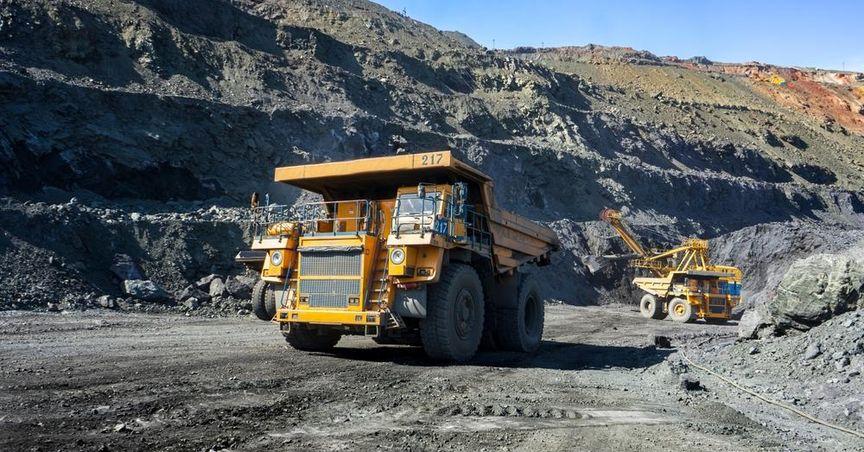
WA Kaolin Limited (ASX:WAK) engages in the mining, refinement, and processing of kaolin. Operational processes include extraction, beneficiation, drying, and distribution to industrial clients. Product quality, supply chain consistency, and operational efficiency are primary focal points.
These operational activities define the company’s functional scope and contextualise its reporting within the industrial minerals sector, providing descriptive information on production and material handling.
Insider Shareholdings and Recent Transactions
WA Kaolin Limited (ASX:WAK) reports significant insider shareholding. Total holdings by insiders constitute a substantial portion of the company’s registered shares, indicating concentrated internal ownership. Recent transactions include purchases by insiders at an average acquisition value above current market levels.
These transactions, presented without market commentary, describe internal activity and highlight patterns in ownership concentration within the company.
Balance Sheet and Financial Structure
The company maintains a combination of cash reserves, short-term receivables, and liabilities. These financial elements define the descriptive structure of the balance sheet, offering insight into liquidity and operational resource allocation.
Cash reserves, receivables, and short-term obligations provide context for operational flexibility within the industrial minerals sector. This factual presentation avoids projection or recommendation.
Operational Performance Metrics
Operational performance includes production output, sales volumes, and revenue trends. WA Kaolin Limited (ASX:WAK) reports revenue data and operational outcomes in line with regulatory disclosure requirements. Observing performance metrics alongside sector peers offers contextual insight into operational positioning.
These metrics provide a factual view of activity without implying future outcomes or expectations.
Governance and Reporting
WA Kaolin Limited (ASX:WAK) complies with listing regulations, ensuring transparency in reporting financial and operational data. Disclosure includes shareholder composition, insider transactions, and financial statements.
Governance and reporting provide structured information for descriptive sector and company-level understanding within the All Ordinaries index.
Industry Context
The industrial minerals segment within the All Ordinaries index features companies involved in kaolin, clays, and specialty materials. Comparing operational scale, financial structure, and ownership patterns across peers offers descriptive insight into sector dynamics without implying performance predictions.
