
 AUS
AUS
 NZ
NZ
 UK
UK
 CA
CA
 USA
USA
 IND
IND






Highlights
- Talga moves forward toward commercial anode expansion
- Industrial Leap application supports large-scale manufacturing
- Vittangi project aims to strengthen the European battery supply chain
The global battery materials sector continues to evolve at a rapid pace, and one name working to strengthen its presence is Talga Group (ASX:TLG). The company has filed an application under Sweden’s Industrial Leap program to support its pathway toward commercial-scale anode production. This initiative, tied to the development of a major anode facility within the broader Vittangi project, is gaining attention across the ASX stock market, especially among those monitoring advanced energy materials, European manufacturing, and the future of graphite-based technologies. With interest rising in clean-energy infrastructure, the move connects closely to themes shaping the future of ASX mining stocks and the broader global transition.
How the Industrial Leap Application Fits Into Talga’s Vision
Talga is pursuing support through Sweden’s Industriklivet initiative, a government program designed to support breakthrough low-emission industrial technologies. The application centers on Talga’s plan to establish a commercial-scale production line capable of delivering a steady supply of anode materials for electric mobility, energy storage, and other technology markets.
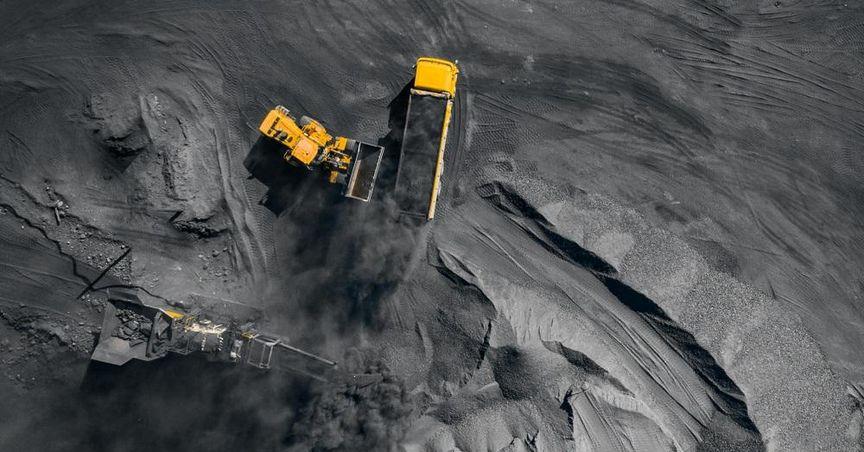
The planned facility forms part of the Vittangi project, an integrated development that includes mining, processing, refining, and anode manufacturing. By linking all stages of the value chain, the company aims to reduce logistical complexity while creating a unified production ecosystem for natural and recycled anode material.
This aligns with broader European efforts to establish regionally sourced battery materials, limit external dependencies, and support cleaner domestic manufacturing. A successful grant outcome would help Talga progress toward a fully operational commercial line and advance its modular scale-up strategy.
The Role of Non-Dilutive Funding in the Vittangi Development Path
One of the core strengths Talga highlights in this initiative is the non-dilutive funding structure tied to external support programs. The Industrial Leap application is positioned to complement previously secured funding streams linked to European sustainability and innovation mechanisms.
These combined funding avenues allow the company to progress engineering work, project design, and site preparations without relying on equity markets for immediate capital. This approach reduces early capital strain and supports the planned rollout of the first large-scale production line.
Refinements to existing funding packages remain underway to ensure they align with the next phase of Vittangi’s design and engineering work. The company’s strategy focuses on synchronizing governmental, developmental, and commercial financing to create an integrated framework that supports long-term execution.
What Makes Vittangi a Standout Project in Europe’s Battery Landscape?
Integrated Supply Chain in a Single System
Unlike many battery material developments that rely on scattered operations, Vittangi aims to consolidate extraction, refining, purification, and coating within one cohesive supply chain. This integrated design may help reduce operational complexity and enhance sustainability credentials.
Modular Capacity Growth Framework
The project uses a modular build philosophy, allowing the company to begin with an initial commercial line and expand in structured stages. This staged rollout reduces early execution risks while enabling future capacity expansion without re-engineering the entire system.
Strategic Location Within a Fast-Growing Region
Northern Sweden has become a central hub for European battery activity. With major industrial, energy, and technology developments occurring across the region, the Vittangi project sits within a supportive ecosystem designed to accelerate energy-transition infrastructure.
Industry Validation Supports Talga’s Expansion Strategy
Talga has highlighted broad industry interest in its anode materials across sectors such as:
- Energy storage
- Electric mobility
- Robotics
- Defence technologies
- Consumer electronics
These markets increasingly depend on high-performance anode material capable of meeting stringent requirements for efficiency, safety, and longevity. The company’s Electric Vehicle Anode demonstration facility continues to deliver product for customer qualification, supporting larger-scale supply agreements for future production.
The ongoing customer engagement provides long-term direction for the company’s commercial strategy. With interest already aligning with future production timelines, Talga views its validation progress as a foundation for its move toward full commercialisation.
Why Talga’s Expansion Matters for the European Battery Supply Chain
Europe continues to take major steps to reduce dependence on external supply chains for critical materials. Battery anodes play a key role in electric mobility, stationary storage systems, and emerging digital technologies. Establishing sustainable anode manufacturing at scale in Europe is widely regarded as a strategic priority.
Talga’s Vittangi project, if fully realised, positions the company as a unique integrated supplier within the region. By covering mining through to anode manufacturing within a single project footprint, the company aims to meet domestic demand while supporting overall industry resilience.
The project aligns with national and regional policy objectives tied to clean energy, advanced manufacturing, and industrial decarbonisation — areas that continue to attract capital, policy support, and innovation interest across global markets.
Broader Market Context: What This Means for ASX Investors Following Battery Materials
Battery-related developments often draw close attention from followers of the ASX100, ASX300, and sectors connected to clean energy themes. With the global shift toward electrification accelerating, materials such as graphite, lithium, nickel, and manganese remain at the forefront of market discussions.
Talga’s strategy to link European development frameworks with Australian market access places the company within a wider narrative shaped by:
- Energy transition policies
- Localised manufacturing goals
- Supply chain resilience discussions
- Clean-tech infrastructure investment
- Innovation in anode material performance
For followers of renewable energy resources, sustainable manufacturing, and regional diversification of supply chains, the company’s recent moves represent a noteworthy chapter within the ASX’s broader energy materials story.
The Road Ahead: Establishing a European Hub for Anode Materials
As Talga moves through the next stages of engineering, validation, and program approvals, the company’s focus remains on constructing the initial commercial line and preparing for long-term capacity growth. The staged approach ensures that early operations can begin while future expansion tracks the evolution of customer demand and market conditions.
Once operational, the facility is expected to serve multiple industries while strengthening Europe’s push for domestically produced anode material. With ongoing interest from various sectors, the Vittangi development continues to evolve as one of the most closely followed graphite-anode initiatives within the European region.
