
 AUS
AUS
 NZ
NZ
 UK
UK
 CA
CA
 USA
USA
 IND
IND






Highlights
Feasibility milestone achieved for Speewah Project
Strategic partnership strengthens project pathway
Focus shifts to next investment phase
The Speewah Fluorite Project advances with feasibility approval, marking a significant step toward establishing a domestic fluorite supply chain and strengthening international collaboration in critical minerals.
Speewah Fluorite Project Gains Momentum After Study Approval
The progress of critical minerals development continues to shape Australia’s resource landscape, with recent updates highlighting momentum within the ASX 100 ecosystem. A notable development comes from Tivan Limited (ASX:TVN), as its Speewah Fluorite Project moves forward following a key feasibility milestone, reflecting growing interest in strategic minerals essential for industrial applications.
Feasibility Study Marks a Defining Step
Tivan Limited (TVN), in collaboration with Sumitomo Corporation (TYO:8053) and the Japan Organisation for Metals and Energy Security, has achieved an important milestone with the approval of a feasibility study for the Speewah Fluorite Project. This development represents a structured step toward establishing a dedicated fluorite mining and processing operation in Western Australia’s Kimberley region.
The Speewah Project is positioned as a significant initiative aimed at supporting the production of acid-grade fluorspar, a material widely used across industries such as chemicals, steelmaking, and advanced manufacturing. By progressing through the feasibility stage, the project signals readiness for deeper technical and financial planning.
Strategic Importance of Fluorite Development
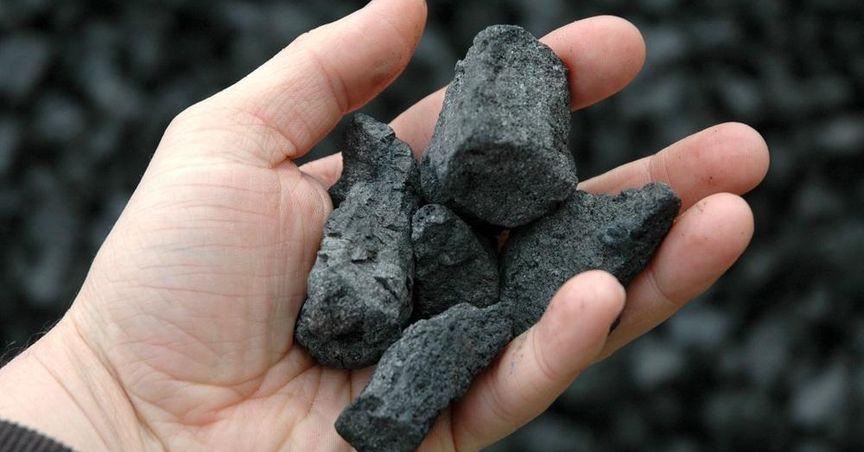
Fluorite, often overlooked in broader mining discussions, plays a vital role in several industrial processes. Its refined form, fluorspar, is used in the production of hydrofluoric acid, which is essential for various downstream applications, including electronics, refrigeration, and clean energy technologies.
The Speewah Project is expected to contribute to diversifying Australia’s resource portfolio, aligning with global efforts to secure stable supply chains for critical minerals. As demand for these materials continues to evolve, projects like Speewah are gaining attention for their role in reducing reliance on limited global sources.
Strengthening International Collaboration
The involvement of Sumitomo Corporation (TYO:8053) and the Japan Organisation for Metals and Energy Security highlights the international dimension of the project. This collaboration reflects a broader alignment between Australia and Japan in advancing critical minerals development.
Such partnerships not only provide financial backing but also bring technical expertise and market access. The collaboration underscores a shared commitment to ensuring long-term supply stability for industries that rely heavily on fluorite and its derivatives.
Project Development Outlook
The Speewah Fluorite Project is designed with a long-term operational vision. Initial commercial production is expected to begin in the latter part of the decade, with operations planned to continue for an extended period.
During the construction phase, the project is expected to generate employment opportunities, contributing to regional economic activity. Once operational, a dedicated workforce will support ongoing production and processing activities, reinforcing the project’s role in local development.
Investment Strategy and Next Phase
Following the feasibility approval, project partners are preparing for the next stage of development, which involves advancing toward a definitive feasibility study. This phase will provide deeper insights into technical design, cost structures, and operational planning.
A new tranche of equity investment is expected to support this progression. The funding will play a crucial role in refining project parameters and preparing for a final investment decision. This structured approach ensures that each phase builds on validated data and strategic alignment.
Role of Strategic Partnerships
In addition to its joint venture partners, Tivan Limited (TVN) has also formed a strategic association with ETFS Capital. This partnership further reinforces the project’s financial and strategic foundation.
Such collaborations are increasingly common in the mining sector, where large-scale projects require a blend of capital, expertise, and long-term commitment. By aligning with multiple stakeholders, the Speewah Project strengthens its pathway toward execution.
Positioning Within the Broader Market
The development of the Speewah Project aligns with broader trends observed across the ASX 200, where resource companies are focusing on critical minerals and supply chain resilience. This shift reflects changing global priorities, particularly in sectors linked to clean energy and advanced manufacturing.
Additionally, the project contributes to the evolving narrative within the ASX 300, where emerging resource developments are gaining attention for their strategic importance rather than traditional commodity cycles.
Economic and Regional Impact
Beyond its industrial significance, the Speewah Project is expected to contribute to regional development in Western Australia. Infrastructure development, employment generation, and increased economic activity are among the anticipated outcomes.
Projects of this scale often act as catalysts for broader regional growth, supporting local businesses and enhancing connectivity. The Kimberley region, known for its resource potential, stands to benefit from such initiatives.
Supporting Long-Term Resource Strategy
Australia’s focus on critical minerals is part of a broader strategy to strengthen its position in global supply chains. By developing projects like Speewah, the country aims to enhance its role as a reliable supplier of essential materials.
This approach also aligns with increasing global emphasis on resource security, particularly for materials that are integral to technological advancement and sustainability initiatives.
Industry Relevance and Future Outlook
The advancement of the Speewah Fluorite Project highlights the growing importance of specialized mining operations. Unlike traditional bulk commodities, fluorite projects require targeted expertise and market alignment.
As industries continue to evolve, demand for materials like fluorspar is expected to remain closely tied to technological progress. This positions projects such as Speewah as important contributors to future industrial ecosystems.
Broader Investment Landscape
The project’s progress also reflects broader investor interest in resource diversification. Alongside traditional sectors, attention is increasingly shifting toward companies involved in critical minerals and emerging supply chains.
While some investors continue to explore ASX dividend stocks for income-oriented strategies, developments in the mining sector are drawing attention for their long-term strategic relevance.
The approval of the feasibility study for the Speewah Fluorite Project marks a significant step in its development journey. With strong international partnerships, a clear strategic direction, and alignment with global resource trends, the project is progressing toward its next phase.
As the focus shifts to further studies and investment decisions, the Speewah Project stands as an example of how collaboration and planning can drive advancement in the critical minerals sector.
