
 AUS
AUS
 NZ
NZ
 UK
UK
 CA
CA
 USA
USA
 IND
IND





Highlights
First shipment departs from Simandou iron ore project.
Major infrastructure supports large-scale mining operations.
Global supply chains strengthened through new export routes.
Simandou’s first iron ore shipment highlights major mining infrastructure progress, strengthening global supply chains and reinforcing the sector’s role in industrial development.
The mining sector continues to play a central role in global industrial development, with iron ore forming a critical component of steel production and infrastructure expansion. Large-scale mining projects contribute significantly to economic activity and are closely linked with benchmark indices such as the ASX 200, reflecting the influence of major resource companies.
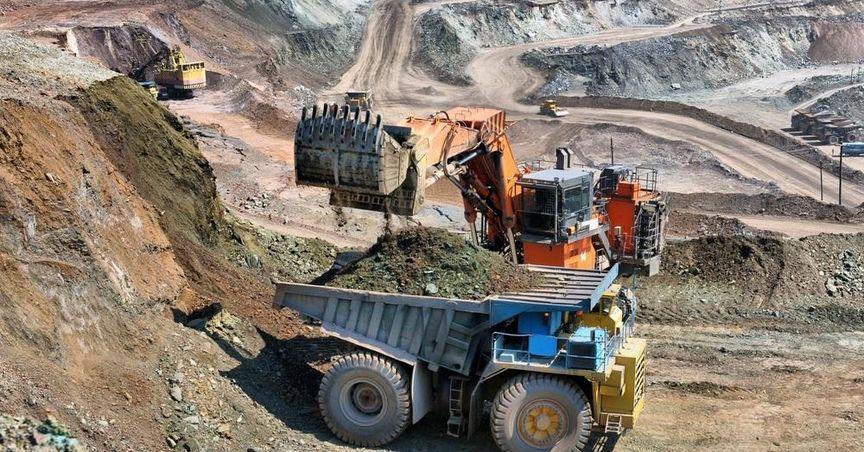
The Simandou project, supported by leading mining groups including Rio Tinto (ASX:RIO), has reached a significant milestone with its first shipment of iron ore. This development represents a key step in advancing one of the world’s largest untapped iron ore resources, highlighting progress in large-scale mining infrastructure and logistics.
Infrastructure Development Supporting Export Operations
The Simandou project involves extensive infrastructure designed to support mining and export activities. This includes rail networks, port facilities, and processing systems that enable efficient transportation of iron ore from inland deposits to global markets.
Infrastructure plays a crucial role in ensuring that mining operations can function at scale. The development of transport corridors allows for the movement of bulk commodities across long distances, connecting remote mining regions with international shipping routes.
The integration of rail and port systems at Simandou reflects a coordinated approach to resource development. These systems are designed to handle large volumes of material, supporting consistent export operations and enhancing supply chain reliability.
The broader mining sector, represented across indices such as the asx all ords, continues to invest in infrastructure that enables efficient production and distribution.
Global Iron Ore Supply Dynamics
Iron ore remains a fundamental raw material for industries worldwide, particularly in construction and manufacturing. The introduction of new supply sources contributes to the stability of global markets and supports ongoing industrial demand.
The Simandou project is positioned as a significant addition to global iron ore supply. Its scale and capacity highlight the importance of large mining developments in meeting demand across multiple regions.
Supply dynamics are influenced by factors such as production capacity, transportation infrastructure, and market accessibility. Projects like Simandou contribute to diversifying supply sources, enhancing resilience within the global mining ecosystem.
Mining companies operating in this space often maintain a presence in various market segments, including categories such as ASX dividend stocks, reflecting the sector’s diversity and role in investment markets.
Operational Coordination and Project Execution
The execution of large mining projects requires coordination across multiple areas, including engineering, logistics, and environmental management. The Simandou project demonstrates the complexity involved in bringing large-scale operations into production.
Operational planning includes the development of extraction processes, transportation systems, and export logistics. Each component must align to ensure efficient movement of materials from the mine site to international markets.
The commencement of shipments reflects the completion of key stages in project development, including infrastructure readiness and operational testing. This milestone indicates that systems are in place to support ongoing production and export activities.
Companies involved in such projects focus on maintaining operational efficiency through the use of advanced technologies and management systems. These approaches support consistency in production and enhance overall performance.
Regional Impact and Economic Activity
Large mining projects contribute to regional development by supporting infrastructure, employment, and economic activity. The Simandou project is expected to play a role in shaping the economic landscape of its surrounding region.
Infrastructure investments associated with the project create opportunities for local industries and contribute to broader economic integration. Transport networks developed for mining operations can also support other sectors, enhancing connectivity.
The development of export capabilities strengthens trade relationships and supports the movement of resources across international markets. This contributes to economic activity at both regional and global levels.
Mining operations often interact with various industries, including logistics, construction, and energy, creating a network of economic relationships that extend beyond the immediate project.
Future Developments in Large-Scale Mining Projects
The progression of projects like Simandou reflects ongoing developments within the mining sector. Companies continue to explore new resources and invest in infrastructure that supports large-scale operations.
Advancements in technology and project management contribute to the efficiency of mining activities. These developments enable companies to handle complex projects and adapt to changing industry requirements.
The integration of mining operations with global supply chains remains a key focus area. Efficient transportation and export systems are essential for ensuring that resources reach international markets in a timely manner.
The presence of major mining companies across indices highlights their role in shaping industry trends and contributing to economic activity. Projects such as Simandou represent significant milestones within this evolving landscape.
